The Role of Overlapping Fullbacks in Modern Football
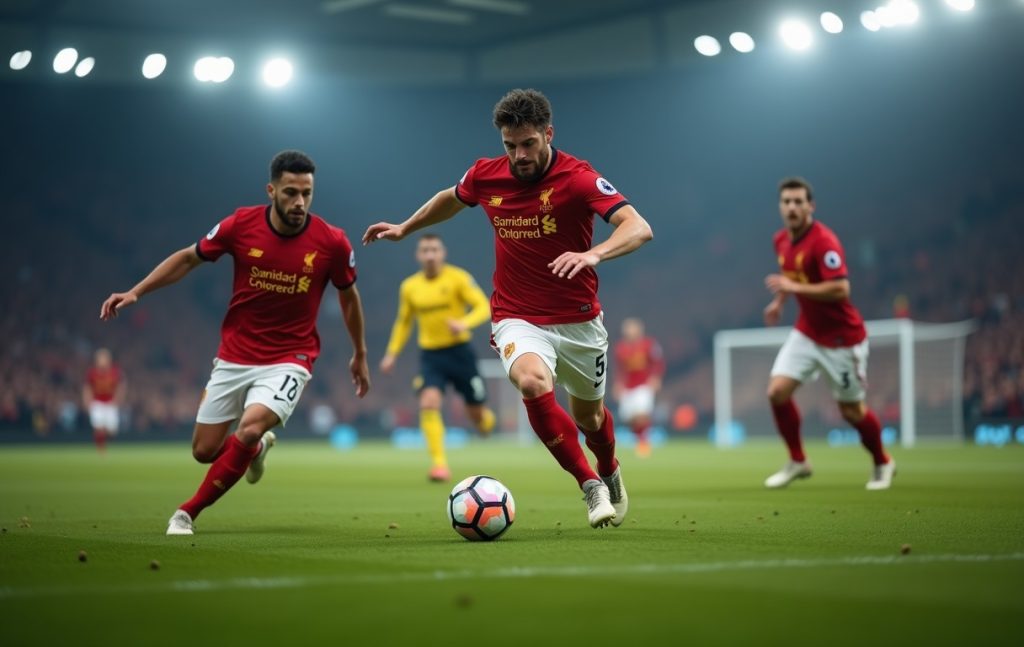
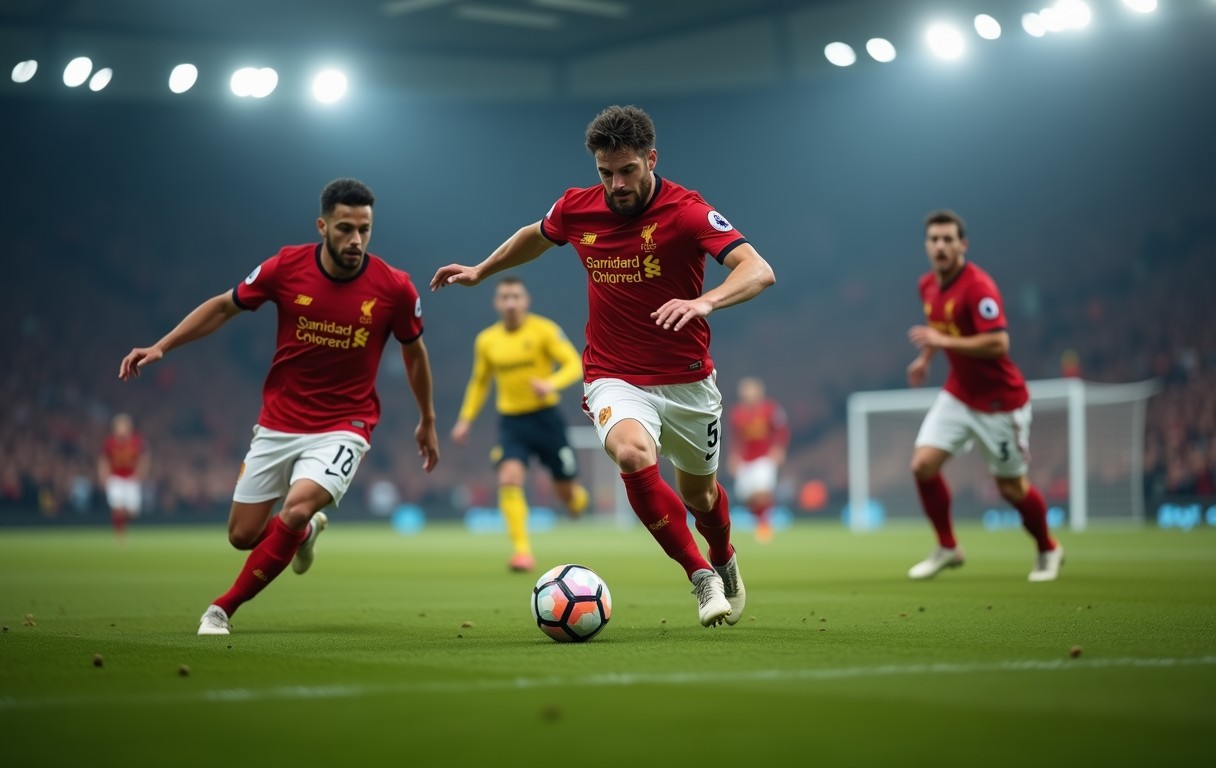
Overlapping fullbacks have become a defining feature in contemporary football tactics. Traditionally, fullbacks were primarily defensive players, focusing on protecting their flanks. However, the evolution of the game has transformed their roles significantly. Today’s fullbacks are not only tasked with defending but also with contributing to their team’s attacking play. This shift has made overlapping fullbacks essential for creating width in the play, facilitating quick transitions, and adding an additional layer of attack that can catch opponents off guard.
The concept of overlapping fullbacks revolves around the idea that these players venture forward into the attacking third, often overlapping with wingers or even central midfielders. This movement can stretch the opposition’s defense, creating space for attacking players to exploit. The effectiveness of this tactic can be seen in various top teams, where fullbacks are often among the highest assist providers in the league. Their ability to combine defensive responsibility with offensive contributions makes them invaluable assets on the pitch.
Historical Context of Fullback Evolution
The fullback position has undergone significant changes since the early days of football. Initially, fullbacks were primarily tasked with defensive duties, often remaining close to their own goal. However, as the game evolved, particularly in the late 20th century, the need for attacking fullbacks became apparent. Coaches began to experiment with the role, allowing fullbacks to push forward and support the attack. This shift was largely influenced by tactical innovations such as the 4-3-3 formation, which required fullbacks to provide width and depth in the offensive phase.
In the 21st century, the rise of possession-based football further emphasized the importance of overlapping fullbacks. Teams like Barcelona under Pep Guardiola showcased how fullbacks could be integrated into the midfield, effectively becoming additional playmakers. This tactical evolution has led to the emergence of players like Dani Alves and Andrew Robertson, who exemplify the modern fullback’s dual role of defender and attacker.
Tactical Implementation of Overlapping Fullbacks
Coaches employ various tactical strategies to maximize the effectiveness of overlapping fullbacks. One common approach is to utilize a formation that allows fullbacks to advance without compromising defensive stability. The 3-5-2 formation, for example, provides fullbacks with the freedom to push forward while three center-backs maintain defensive solidity. This formation allows for fluid transitions, where fullbacks can quickly return to their defensive positions when possession is lost.
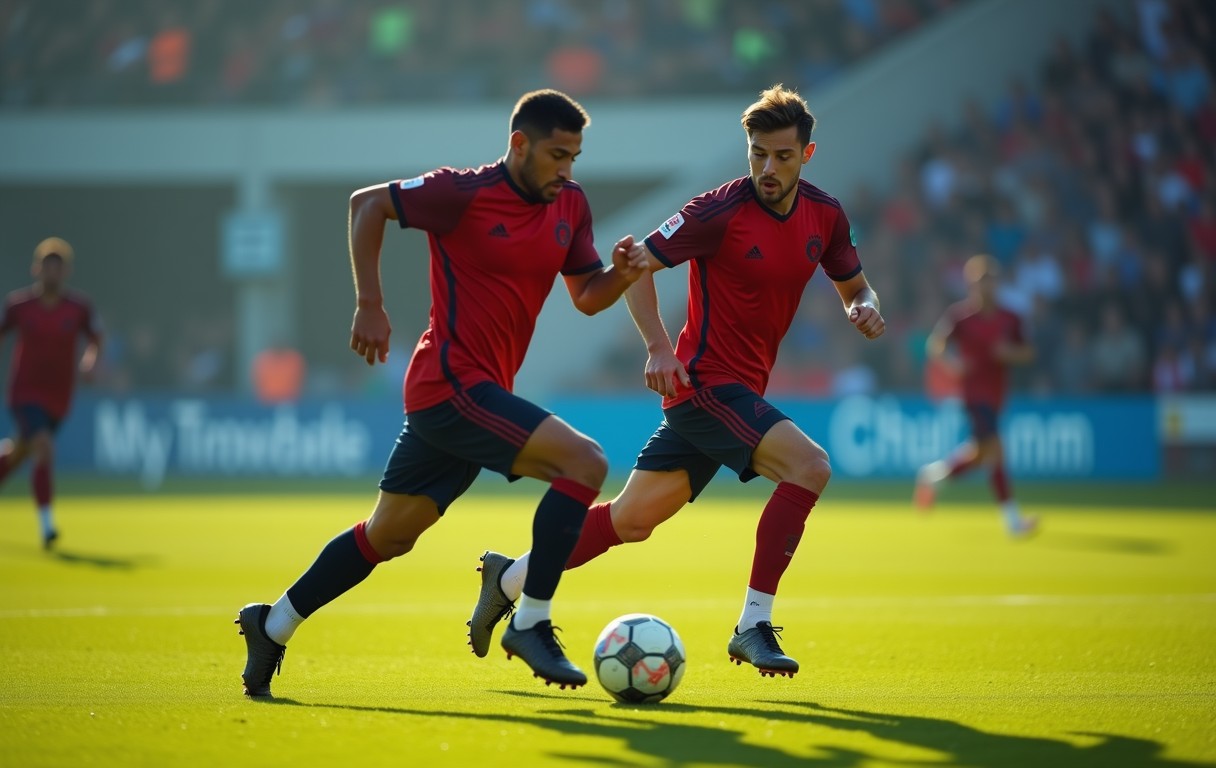
Another tactical implementation involves instructing fullbacks to make overlapping runs at specific moments during the game. For instance, when a winger is isolated against a defender, a fullback can make a timed run to provide support. This creates a numerical advantage on the flank, which can lead to crosses or cutbacks into the box. Coaches often analyze opposition patterns to identify moments when overlapping runs will be most effective, enhancing their team’s overall attacking strategy.
Key Attributes of Effective Overlapping Fullbacks
To be successful as an overlapping fullback, players must possess a unique set of attributes. Speed and stamina are paramount, as fullbacks need to cover large distances up and down the pitch. A player like Trent Alexander-Arnold, known for his exceptional pace, can race back to defend after making an attacking run, making him a dual threat. Additionally, technical skills are crucial; the ability to deliver precise crosses and execute effective dribbling maneuvers can significantly impact a team’s attacking output.
Furthermore, tactical awareness is essential for overlapping fullbacks. They must understand when to join the attack and when to hold back, balancing their defensive responsibilities with offensive contributions. Effective communication with wingers and midfielders is also vital, as successful combinations often rely on players being in sync with one another. Coaches typically focus on developing these attributes during training, ensuring that fullbacks are well-prepared for the demands of modern football.
Examples of Successful Overlapping Fullbacks in Recent Football
Several players have stood out as exemplary overlapping fullbacks in recent football. Andrew Robertson of Liverpool is a prime example; his relentless work rate and ability to deliver pinpoint crosses have made him instrumental in the team’s attacking play. Robertson’s understanding with Mohamed Salah on the right flank often results in dangerous combinations that keep opposing defenses on high alert.
Another notable example is Joao Cancelo, who has excelled at both Manchester City and Bayern Munich. Cancelo’s versatility allows him to operate effectively on both flanks, and his exceptional dribbling and passing skills enable him to contribute significantly in the final third. His ability to cut inside and create goal-scoring opportunities showcases the modern fullback’s importance in a team’s tactical setup.
Challenges Faced by Overlapping Fullbacks
While the role of overlapping fullbacks offers numerous advantages, it also presents several challenges. One significant issue is the physical demand placed on these players. Constantly sprinting up and down the pitch can lead to fatigue, increasing the risk of injury. Coaches must carefully manage player workloads, especially during congested fixture schedules, to ensure that fullbacks remain fit and effective throughout the season.

Defensively, overlapping fullbacks can leave gaps in the back line if not properly coordinated with the team’s defensive structure. If a fullback ventures too far forward without adequate cover, it can lead to counter-attacking opportunities for the opposition. This risk requires effective communication and tactical discipline among defenders, ensuring that any gaps left by advancing fullbacks are adequately filled.
The Future of Overlapping Fullbacks in Football
The future of overlapping fullbacks is likely to see continued evolution as football tactics develop. With the increasing emphasis on attacking play, fullbacks will continue to play a pivotal role in creating scoring opportunities. As teams strive for greater fluidity in their attacks, we may see a rise in the use of hybrid fullbacks who can seamlessly transition between defensive and midfield roles.
Moreover, the integration of technology in football analysis is set to enhance the understanding of how overlapping fullbacks can impact a game. Data analytics will provide coaches with insights into optimal positioning, movement patterns, and even the value of specific runs. As this information becomes more accessible, teams will be better equipped to utilize overlapping fullbacks effectively, ensuring that these players remain at the forefront of tactical innovations in football.

I have been a dedicated student of the game for as long as I can remember, always looking to uncover the stories behind the stats. My weekends revolve around analyzing tactical shifts and emerging talent across various leagues. I write to share that passion and provide a fresh perspective on the sport I love.