Understanding Ball Progression in Football
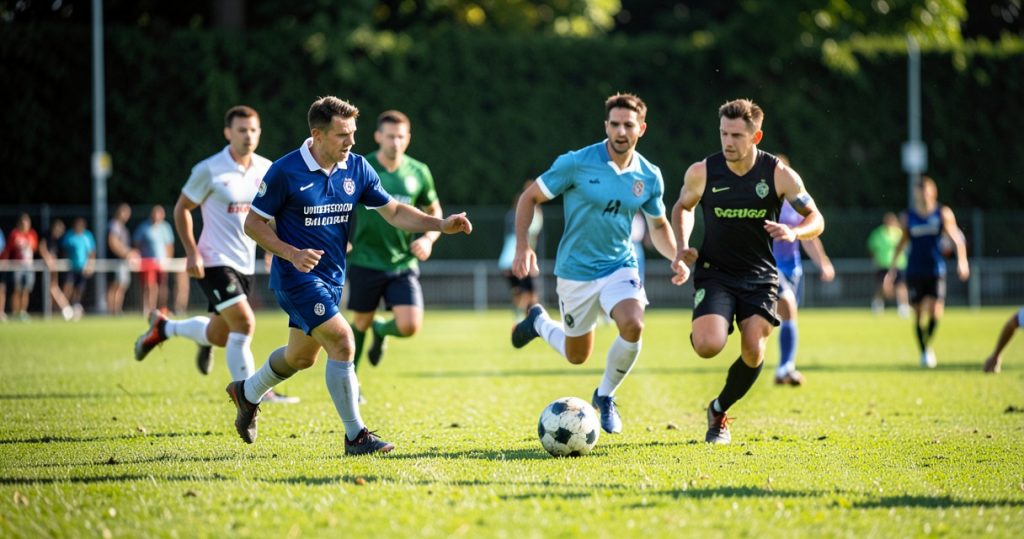
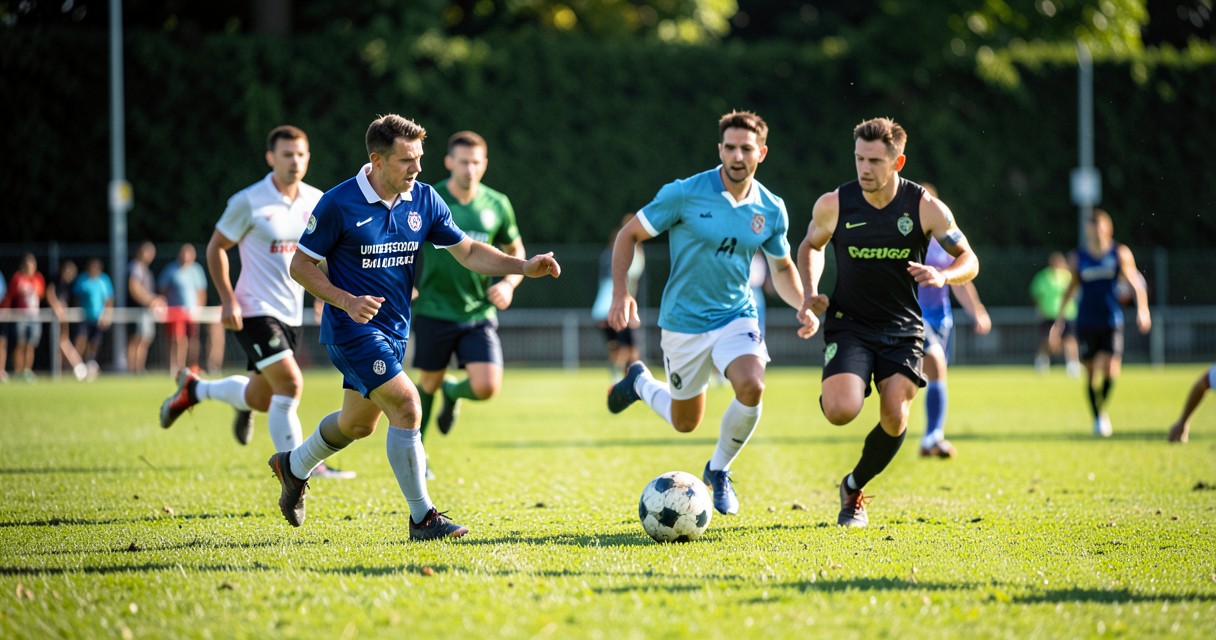
Ball progression analysis in football refers to the methods and strategies teams use to advance the ball from their own half to the opponent’s half, ultimately aiming to create scoring opportunities. This concept encompasses various tactics, including passing, dribbling, and movement off the ball, all of which are crucial for a team’s offensive success. Analyzing ball progression helps coaches and analysts identify strengths and weaknesses in a team’s play, allowing for adjustments that can lead to improved performance on the pitch. By understanding how effectively a team progresses the ball, clubs can better prepare for matches and enhance their overall tactical approach.
The Importance of Ball Progression
Effective ball progression is essential for maintaining possession and creating goal-scoring opportunities. Teams that excel in this area often dominate matches, controlling the tempo and dictating play. For instance, clubs like Manchester City and Barcelona have historically used intricate passing patterns and quick transitions to move the ball upfield. These teams utilize short passes, triangles, and overlapping runs to break down defensive lines, showcasing the importance of not just advancing the ball, but doing so in a way that maintains possession. Without effective ball progression, a team can struggle to create chances, leading to a lack of offensive threat and increased pressure on their defense.
Methods of Ball Progression
There are several methods teams can employ to progress the ball effectively. Passing is the most fundamental aspect, involving short passes, long balls, and through balls to exploit spaces in the opposition’s defense. Dribbling is another essential technique, allowing players to navigate through tight spaces and maintain possession while moving the ball forward. Additionally, teams often use off-the-ball movements to create passing lanes, drawing defenders away from their positions. Each method has its advantages and can be employed depending on the situation on the field. A well-rounded approach that combines these techniques often yields the best results.
Analyzing Passing vs. Dribbling
When considering ball progression, the choice between passing and dribbling is crucial. Passing can be quicker and more efficient, especially in tight spaces, while dribbling allows for more individual creativity and the ability to bypass defenders directly. A study of top teams reveals that successful ball progression often involves a balance between these two methods. For example, Liverpool’s attacking style under Jürgen Klopp emphasizes quick passing interspersed with dribbling, enabling players like Mohamed Salah to exploit defensive weaknesses. Understanding when to pass and when to dribble can significantly influence a team’s ability to advance the ball and create scoring opportunities.

Impact of Tactical Systems on Ball Progression
The tactical system employed by a team significantly influences how they progress the ball. For instance, a possession-based strategy often involves short, quick passes to maintain control and gradually advance the ball upfield. In contrast, a counter-attacking system may prioritize rapid transitions, relying on long balls and quick dribbling to exploit spaces left by the opponent. Teams like Atlético Madrid excel in counter-attacking football, using quick ball progression to catch opponents off guard. Analyzing how different tactical setups affect ball progression can provide insights into a team’s overall effectiveness and adaptability during matches.
Player Roles in Ball Progression
Each player’s role on the pitch directly impacts a team’s ball progression capabilities. Midfielders are often tasked with linking defense and attack, using their vision to distribute the ball effectively. Creative playmakers are essential for unlocking defenses with incisive passes, while wingers and full-backs can provide width and options for progression. For example, Kevin De Bruyne’s ability to deliver precise passes from midfield has been pivotal for Manchester City’s attacking play. Understanding how different player roles contribute to ball progression can help coaches tailor training and tactics to maximize their team’s strengths.
Quantitative Analysis of Ball Progression
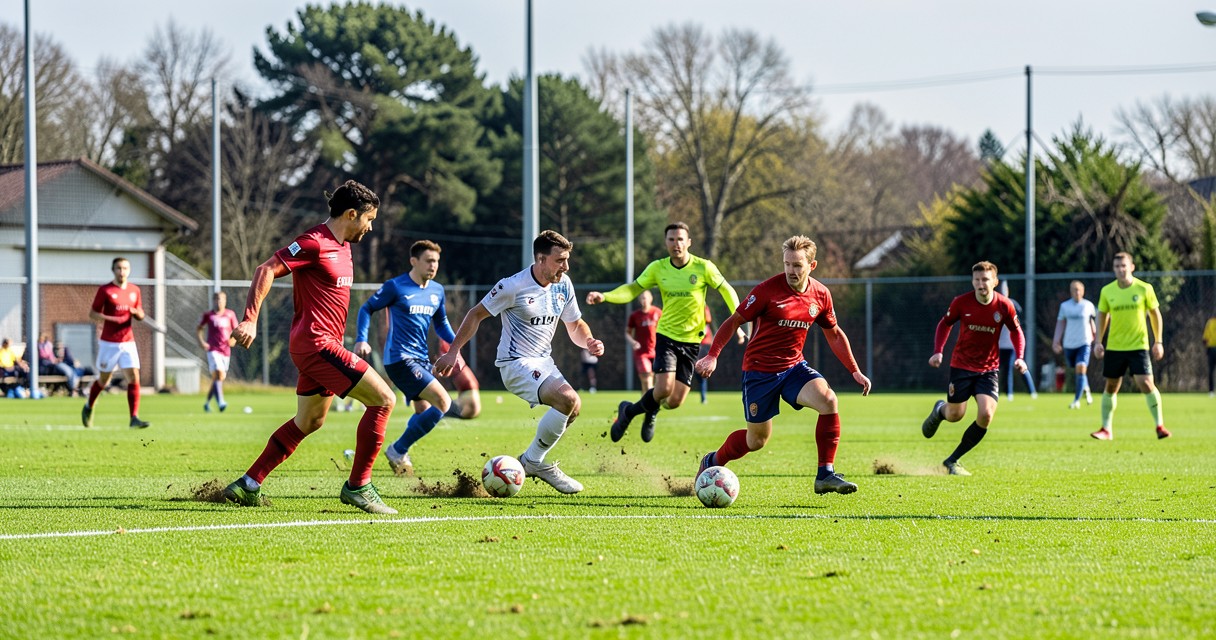
In modern football, quantitative analysis plays a vital role in evaluating ball progression. Metrics such as expected goals (xG), pass completion rates, and progressive passes offer insights into how effectively a team is advancing the ball. Analysts often use video footage alongside these statistics to identify patterns and areas for improvement. For example, a team with a high number of progressive passes but low xG might indicate that while they are advancing the ball effectively, they struggle to convert those opportunities into actual scoring chances. By leveraging data, teams can refine their strategies and enhance their overall performance on the field.
Challenges in Ball Progression
Despite the importance of effective ball progression, teams often face challenges that can hinder their ability to advance the ball. Opponent tactics, such as pressing or compact defensive formations, can disrupt passing lanes and limit dribbling options. Additionally, individual player performance can fluctuate, affecting the team’s overall effectiveness. For instance, if a key playmaker is marked tightly, it can significantly impact the team’s ability to progress the ball. Understanding these challenges and developing strategies to overcome them is crucial for teams aiming to enhance their ball progression and overall performance in matches.

I have been a dedicated student of the game for as long as I can remember, always looking to uncover the stories behind the stats. My weekends revolve around analyzing tactical shifts and emerging talent across various leagues. I write to share that passion and provide a fresh perspective on the sport I love.