

Game model analysis in football is a critical aspect of understanding how teams operate within the framework of their strategic approaches. This analysis delves into the tactical frameworks employed by teams, examining how players interact and execute their roles to achieve success on the pitch. By dissecting various game models, coaches and analysts can identify strengths and weaknesses, optimize performance, and adapt strategies to counter opponents effectively. In this article, we will explore the fundamental components of game model analysis, the different types of game models, and their implications for team performance in football.
Defining Game Models in Football
A game model in football refers to the overarching strategy that a team employs during matches. This model encompasses the tactical philosophy of the coach, the style of play the players are expected to adopt, and the specific formations utilized. For example, teams like FC Barcelona have famously adopted a possession-based game model, emphasizing short passes and movement off the ball to maintain control. In contrast, clubs like Atletico Madrid have thrived on a counter-attacking game model, focusing on solid defense and quick transitions. Understanding these models allows analysts to evaluate how effectively a team executes its strategy in relation to its opponents.
Central to any game model is the concept of player roles and responsibilities. Each player has a designated function that contributes to the team’s overall strategy. For instance, in a possession-based model, midfielders are often tasked with dictating the tempo and creating opportunities, while defenders focus on maintaining shape and support. Analyzing these roles helps coaches determine whether players are fulfilling their responsibilities and if adjustments are necessary to enhance performance.
The Importance of Tactical Analysis
Tactical analysis is a vital component of game model analysis, providing insights into how a team executes its strategy on the field. This analysis often involves breaking down match footage to examine player positioning, movement patterns, and decision-making processes. By assessing these elements, coaches can identify areas for improvement and refine their game models accordingly. For instance, if a team consistently struggles to break down defenses, the analysis may reveal a need for more dynamic attacking movements or better off-the-ball runs.
Moreover, tactical analysis enables teams to prepare for specific opponents. By studying the game models of rival teams, coaches can devise tailored strategies to exploit weaknesses. For example, if an opponent’s defense is vulnerable to pace, a team might emphasize quick counter-attacks or utilize speedy wingers to stretch the backline. This level of preparation is essential for success in competitive environments, as it allows teams to adapt their game model to the unique challenges posed by each opponent.
Types of Game Models
Football game models can be broadly categorized into several types, each reflecting a distinct philosophy and approach to the game. One prevalent model is the possession-based game, which prioritizes maintaining control of the ball and dictating the tempo. Teams employing this model often utilize formations like the 4-3-3 or 4-2-3-1, emphasizing short, intricate passing and movement. This style is exemplified by clubs such as Manchester City, where players are trained to keep the ball and create spaces through intelligent positioning.
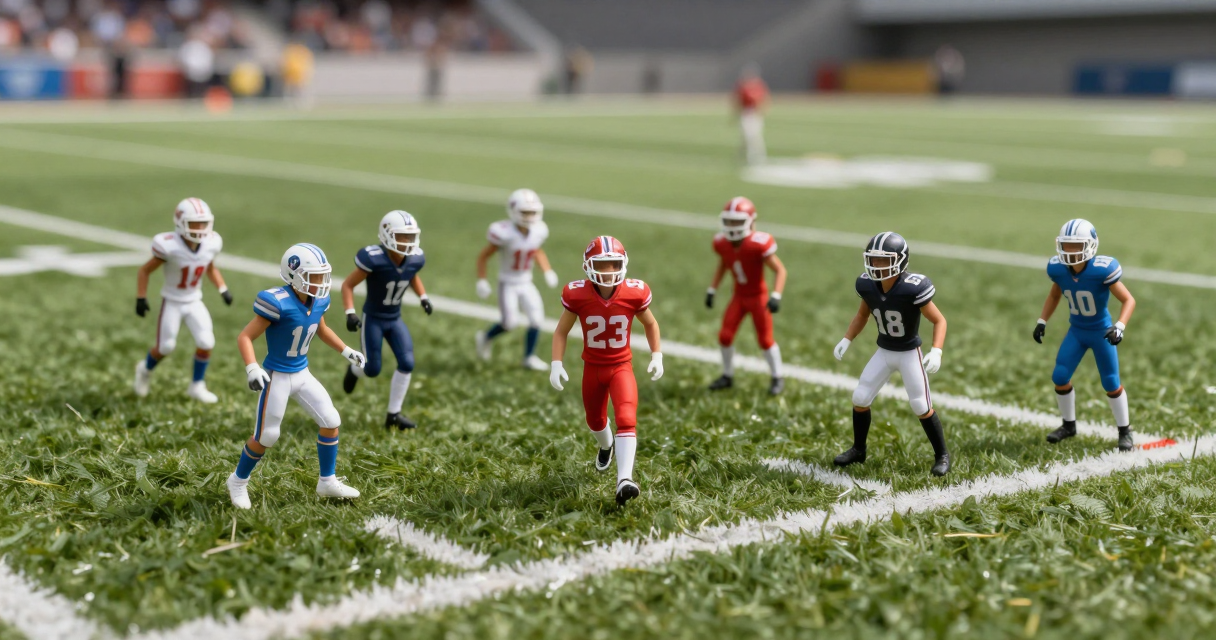
Another common model is the counter-attacking game, which focuses on quick transitions and exploiting spaces left by opponents. Teams like Liverpool have effectively employed this strategy, using rapid forward players to capitalize on defensive lapses. This model often features a compact defensive shape, allowing teams to absorb pressure before launching swift counter-attacks. Understanding these models helps analysts evaluate performance metrics and player effectiveness in executing specific tactics.
Player Roles within Game Models
Within any game model, player roles are crucial for achieving tactical coherence. Each position on the field has specific responsibilities that align with the team’s overall strategy. For instance, in a 4-3-3 possession model, the central midfielders often serve as the team’s engine, tasked with linking defense and attack while maintaining possession. Their ability to read the game and distribute the ball effectively is paramount for success.
Defenders in a counter-attacking model, on the other hand, must prioritize solid positioning and quick decision-making to initiate attacks when the opportunity arises. Full-backs might be required to push forward to support attacks while ensuring they can recover quickly if possession is lost. Analyzing these roles helps coaches assess whether players are well-suited for their assigned positions and if adjustments or substitutions are needed to enhance performance.
Data Analytics in Game Model Analysis
In recent years, the integration of data analytics into game model analysis has transformed how teams evaluate performance. Advanced metrics, such as expected goals (xG), possession percentages, and player tracking data, provide deeper insights into team dynamics and individual contributions. For example, xG allows analysts to quantify the quality of scoring opportunities, offering a more nuanced understanding of a team’s offensive effectiveness.
Moreover, data analytics can identify trends in player performance over time, helping coaches make informed decisions about tactics and player selection. By examining data patterns, teams can optimize their game models based on empirical evidence rather than relying solely on intuition. This data-driven approach has become essential for clubs seeking a competitive edge in an increasingly analytical football landscape.
Adapting Game Models to Opponents
Adapting a game model based on the strengths and weaknesses of opponents is a hallmark of effective coaching. Successful teams often study their rivals meticulously, tailoring their strategies to exploit specific vulnerabilities. For instance, if an opponent struggles with high pressing, a team may choose to implement a more direct style of play, bypassing the midfield and targeting the defensive line.

Conversely, against teams that excel in possession, a defensive game model may be employed, focusing on compactness and discipline. Coaches must be flexible in their approach, recognizing that the same game model may not yield the same results against different opponents. This adaptability is what separates elite teams from the rest, as they can navigate the complexities of varied tactical challenges throughout a season.
The Future of Game Model Analysis
The future of game model analysis in football looks promising, with technological advancements continuously shaping the way teams evaluate performance. Innovations such as artificial intelligence and machine learning are poised to enhance data analytics, providing even more precise insights into team dynamics. These technologies can analyze vast amounts of data in real time, offering coaches immediate feedback on tactical effectiveness during matches.
Additionally, the growing emphasis on player development and individual performance metrics will further refine game model analysis. Clubs are increasingly focusing on tailoring training programs to align with specific game models, ensuring that players are equipped to execute strategies effectively. As the game evolves, so too will the methodologies used to analyze and optimize game models, ensuring that football continues to advance in both strategy and execution.

I have been a dedicated student of the game for as long as I can remember, always looking to uncover the stories behind the stats. My weekends revolve around analyzing tactical shifts and emerging talent across various leagues. I write to share that passion and provide a fresh perspective on the sport I love.