The inside forward role has evolved from a simple crossing duty into a dynamic hybrid position that demands both technical flair and tactical discipline. In modern football, the player operating in the half-space between the central midfielder and the wide winger often dictates the tempo of an attack, creating overloads and cutting into the box to finish chances. Understanding how to execute these tactics effectively requires more than just placing a player on the pitch; it involves coordinating movement, adjusting defensive shapes, and reading the game in real time. This guide breaks down the practical steps for implementing inside forward tactics, from initial setup to in-game adjustments, helping you maximize the output of your most creative attacking assets.
Selecting the Right Player Profile
The foundation of a successful inside forward system is matching the player’s attributes to the role’s specific demands. You need someone with high acceleration and agility to cut inside against fullbacks, but also enough composure to make quick decisions in tight spaces. Look for players with strong crossing and finishing attributes, as they will be expected to deliver from both wide and central areas. A player with a work rate of medium or above is essential because the role requires constant vertical movement and defensive tracking when possession is lost. Avoid selecting pure finishers who lack the vision to link play, as this creates a disconnect in the midfield line.
Consider the player’s preferred foot carefully, especially if you are setting up an asymmetric formation. A left-footed inside forward playing on the right side will have a natural angle to cut inside towards the center, making their shooting and passing options more fluid. Conversely, a right-footed player on the left must be comfortable using their weaker foot or relying on clever movement to create angles. Check the player’s hidden traits, such as “Dribbler” or “Late Crosser,” as these can significantly enhance their effectiveness in the half-space. The best inside forwards often have a blend of wingers and attacking midfielders, offering versatility that rigid role assignments do not capture.
Do not overlook the physical attributes required to hold up play against pressing opponents. An inside forward must be able to receive the ball with their back to goal, shielding it from central defenders who are closing down. If your team plays a high defensive line, your inside forward needs the stamina to track back and support the fullback in one-v-one situations. Review the player’s recent match reports to see if they have struggled with tackles or duels, as this can undermine the entire tactical structure. A technically gifted player who loses every physical contest will eventually become isolated, leading to turnovers in dangerous areas of the pitch.
Structuring the Midfield Support Unit
Your inside forward will never function in isolation; they need a dedicated midfield partner to feed them with service and cover their defensive gaps. Set up a central midfielder with a deep-lying playmaker or box-to-box profile who can switch play to the opposite side when the inside forward is under pressure. This player must have strong passing accuracy and decision-making to release the ball into the half-space without losing possession. If you are playing a double pivot, ensure that one of the central midfielders is instructed to overlap with the fullback, creating a numerical advantage in wide areas. The connection between the central midfielder and the inside forward must be seamless in timing, requiring regular practice or simulated matches to build chemistry.
Define the defensive responsibilities of your midfield unit clearly to avoid leaving gaps behind the inside forward. When the ball is on the opposite side, the central midfielder should drop into a defensive line with the center-backs, forming a triangle that protects against counter-attacks. This shape allows the inside forward to push higher up the pitch without fear of being caught out on the break. If you do not have a dedicated deep-lying midfielder, consider using a wing-back or fullback to cover the space, but be aware that this reduces your width in attack. The key is to maintain a compact block that shifts laterally based on the ball’s position, ensuring your inside forward is never left exposed by a single runner.
Adjust the pressing triggers for your midfield unit to force turnovers near the halfway line rather than in your own defensive third. Set the team instructions to press for “higher intensity” and “shorter passing,” which forces opponents to make risky passes into space where your inside forward can intercept. This approach creates opportunities to win the ball back quickly, allowing your creative players to launch attacks before the opposition can set their shape. If you find that your inside forward is being bypassed by quick transitions, tighten the pressing triggers and instruct them to stay deeper until the ball crosses a certain line. The goal is to make the opponent’s passing game predictable, so your midfield unit can anticipate and cut off supply lines.
Executing the Cut-In Movement
The defining action of an inside forward is the cut-in, where they move from the wide area into the central half-space to shoot or pass. Instruct your player to have a “cut inside” duty if you are using a tactical board or game engine that allows specific role instructions. This ensures that they are constantly looking for angles to beat their marker rather than hugging the touchline. When the ball reaches the midfield, the inside forward should make a diagonal run towards the center, timing it with the pass from the central midfielder. This movement drags the fullback out of position, creating space for the winger or fullback to overlap and provide a cross.
If you want to learn more, ForPro explains how to play as a winger in this tactical analysis you can watch right here.
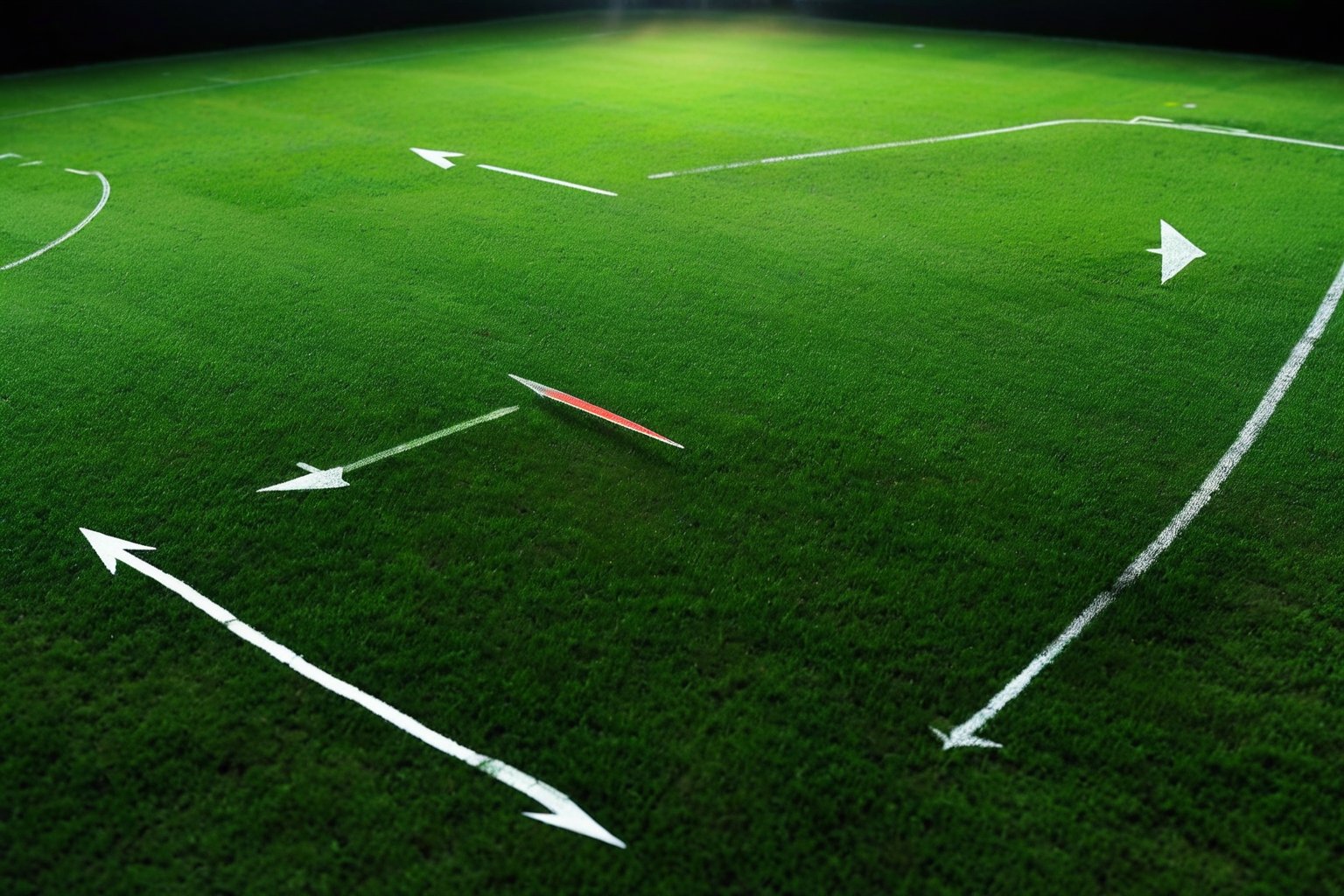
Timing is critical when executing the cut-in; arriving too early means you are marked by a center-back, while arriving too late means you are in an offside position or out of breath. Coach your players to make their runs off the ball rather than dragging it into the box, as this keeps the opposition defenders guessing and creates more space for teammates. If the cut-in is not possible due to tight marking, the inside forward should pivot and look for a through ball to a winger or striker. This adaptability prevents the attack from stalling and keeps the opposition defensive line under constant pressure from multiple angles.
Vary the direction of your cut-ins to avoid predictability; do not always move towards the center, but sometimes drift wider to stretch the defense horizontally. This lateral movement opens up passing lanes for central midfielders to play through balls into the penalty area. If you are playing against a low block, the inside forward should stay wide and cross early, as cutting into a packed box will only lead to blocked shots or clearances. Use video analysis of your recent matches to identify patterns in when your cut-ins are most successful, adjusting your instructions based on what the data shows. The best inside forwards are unpredictable, mixing up their runs to keep defenders off-balance and create scoring chances out of nothing.
Managing Defensive Transitions
One of the biggest challenges with inside forward tactics is managing the transition when possession is lost. The inside forward is often positioned far from their own goal, making them vulnerable to quick counter-attacks if they do not track back effectively. Set your team instructions to “defensive line: high” only if your center-backs have excellent pace and positioning, as this reduces the space behind for opponents to exploit. If your defense is slower, consider dropping the line slightly to give your inside forward more time to recover and support the fullback. The gap between the midfield line and the defensive line must be kept tight, ideally no more than 10-15 meters, to prevent opponents from playing through the middle.
Assign specific defensive duties to the inside forward during transitions, such as “track back” or “stay wide.” This ensures that they are not drifting into central areas where they can be bypassed by a simple diagonal pass. If you are using a wing-back system, the inside forward and wing-back should form a two-on-one unit on the flank, pressing the opponent’s fullback from both sides to force a turnover. This coordinated pressure is essential for winning the ball back high up the pitch and creating immediate scoring opportunities. Without this discipline, your team will be constantly chasing the game, running out of energy by the 70th minute.
Monitor the defensive contribution of your inside forward in post-match reports, looking at metrics like tackles won, interceptions, and positioning. If they are consistently caught out of position, consider pairing them with a more defensive-minded fullback who can cover their gaps. Alternatively, adjust their individual instructions to “defensive run” so they are always tracking back when the opponent has the ball. The balance between attacking output and defensive responsibility is delicate; tip the scale too far in either direction and the system will collapse. Regularly review team shape during matches to ensure that the inside forward is fulfilling their dual role effectively.
Adjusting for Opponent Weaknesses
Before every match, analyze the opponent’s defensive shape to identify where your inside forward can exploit gaps. If they play a high line with fullbacks who push high, instruct your inside forward to make runs behind the defense, using pace to beat their marker and enter the box. In this scenario, timing is everything; you need to make your run late to avoid being caught offside by the center-backs. If the opponent sits in a low block, switch to a more patient approach, using the inside forward as a link player who combines with central midfielders to create space. This flexibility allows you to adapt your tactics to the specific situation rather than sticking rigidly to a single plan.
Pay attention to the opponent’s midfield structure, particularly if they use a single pivot or a double pivot with limited passing range. Against a single pivot, overload the center by dropping one of your inside forwards deeper, creating a 2-on-1 situation in the middle of the park. This forces the opposing midfielder to make difficult decisions under pressure, leading to turnovers that you can capitalize on. If they use a double pivot, spread the play wide to drag their midfielders out of position, isolating the fullbacks against your inside forward and winger. Understanding these structural nuances allows you to target specific weaknesses in the opposition game plan.
Use halftime adjustments to counter any tactical changes the opponent makes during the match. If they start marking your inside forward with a dedicated man-marker, switch to a formation that provides numerical superiority in wide areas, such as adding a second winger or moving a central midfielder wider. If they are pressing high and trying to catch you offside, play longer balls to a target man and use the inside forward as a secondary option for quick combinations. Stay flexible and willing to abandon parts of your plan if they are not working; rigid adherence to tactics in the face of evidence is a common mistake. The goal is to out-think the opposition, not just to execute a pre-set routine.
Avoiding Common Tactical Mistakes
One frequent error is overloading one side of the pitch without providing balance on the other, leading to predictable attacks that opponents can easily defend. Ensure that your inside forward has a clear outlet for the ball if they are marked tightly, usually a central midfielder who can switch play to the opposite wing. If you find yourself passing the ball back repeatedly to the goalkeeper, it is a sign that your attacking structure is too narrow and lacks width. Spread the team horizontally to stretch the opposition defense, creating space for your inside forward to operate in the half-space without being crowded out.
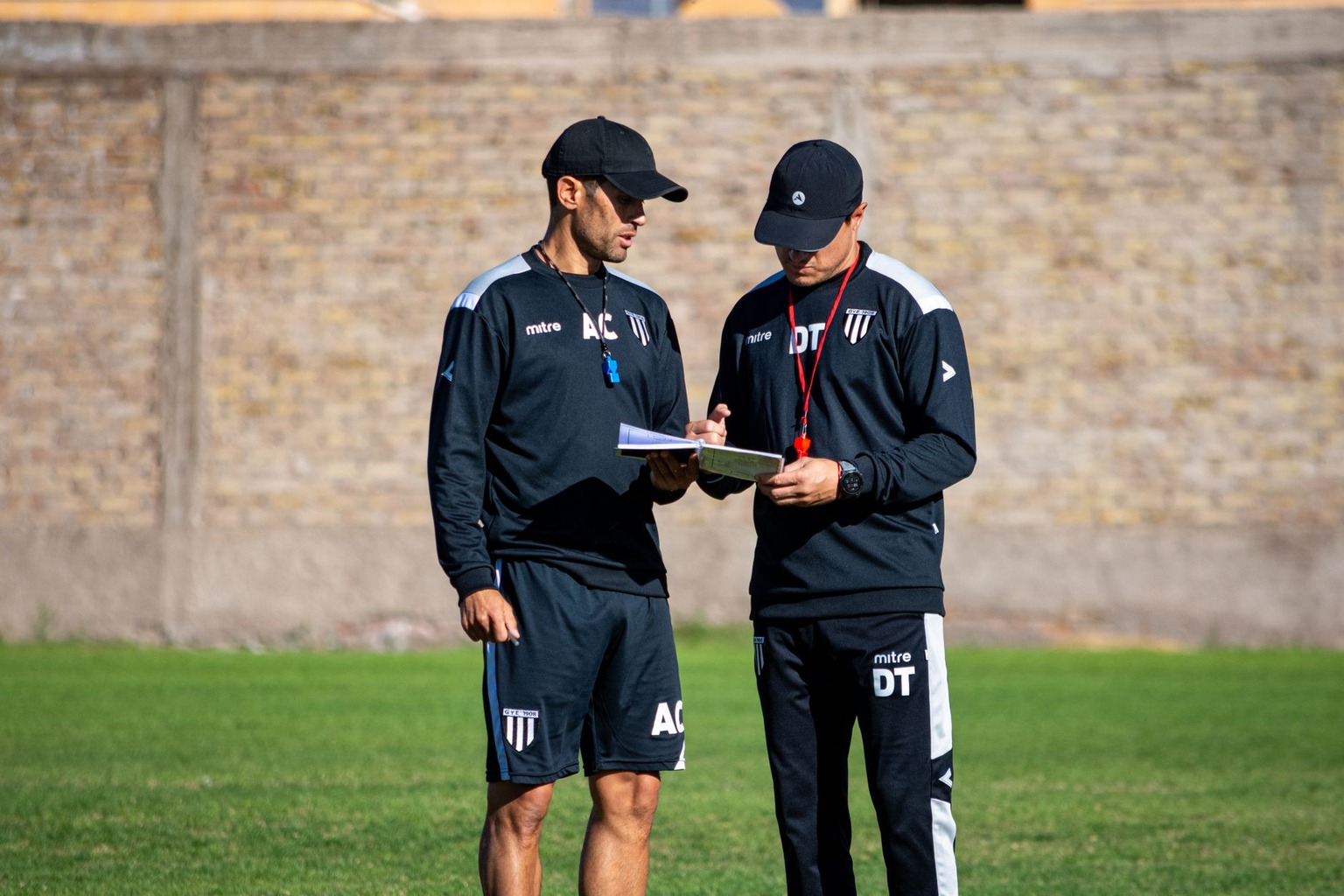
Another common mistake is neglecting the defensive shape when the ball is on the opposite side of the pitch. If your inside forward is pushing high up the right flank while the ball is on the left, ensure that your left fullback and central midfielder drop deep to cover the space. This creates a defensive triangle that protects against counter-attacks and allows your inside forward to attack without fear. If you do not manage this balance, opponents will exploit the empty space behind your defense with long diagonal balls, leading to easy chances. Regularly check the team shape on the pitch to ensure that no area is left unguarded.
Do not rely solely on individual talent; tactics require collective effort and discipline from every player on the pitch. If your inside forward is the only one making runs and pressing, they will eventually get tired and lose effectiveness. Encourage other players to make supporting runs, such as wingers drifting into the box or fullbacks overlapping, to create multiple attacking options. This shared responsibility ensures that the system remains dynamic and unpredictable, even if your star player is marked out of the game. A well-drilled team can compensate for a lack of individual brilliance through superior tactical organization.
Refining Through Match Data
After each match, review the detailed stats provided by your game engine or coaching staff to identify areas for improvement. Look at metrics like “passes into the box,” “shots on target,” and “possession in dangerous areas” to gauge the effectiveness of your inside forward tactics. If these numbers are low, it may indicate that your midfield support is not reaching the final third effectively, or that your inside forward is not making the right runs. Use this data to adjust instructions for the next match, focusing on specific weaknesses identified in the reports.
Watch video highlights of key moments to see how your tactics performed in practice. Pay attention to when your inside forward loses possession and what happens immediately after; do you recover quickly or get caught out? If the transition is slow, tighten your defensive line and adjust pressing triggers to force turnovers higher up the pitch. Conversely, if you are creating chances but not converting them, focus on finishing drills and adjusting the shooting instructions for your inside forward. Practical observation complements statistical data, providing a holistic view of what is working and what needs adjustment.
Continuously refine your tactics based on both data and observation, treating each match as an opportunity to learn and improve. The best coaches are those who adapt their systems to the players they have and the opponents they face, rather than sticking to a rigid template. By following these steps and staying committed to the process, you will develop a sophisticated attacking style that is difficult for opponents to defend against. The key is consistency, patience, and a willingness to make small adjustments that lead to significant improvements over time.

I have been a dedicated student of the game for as long as I can remember, always looking to uncover the stories behind the stats. My weekends revolve around analyzing tactical shifts and emerging talent across various leagues. I write to share that passion and provide a fresh perspective on the sport I love.