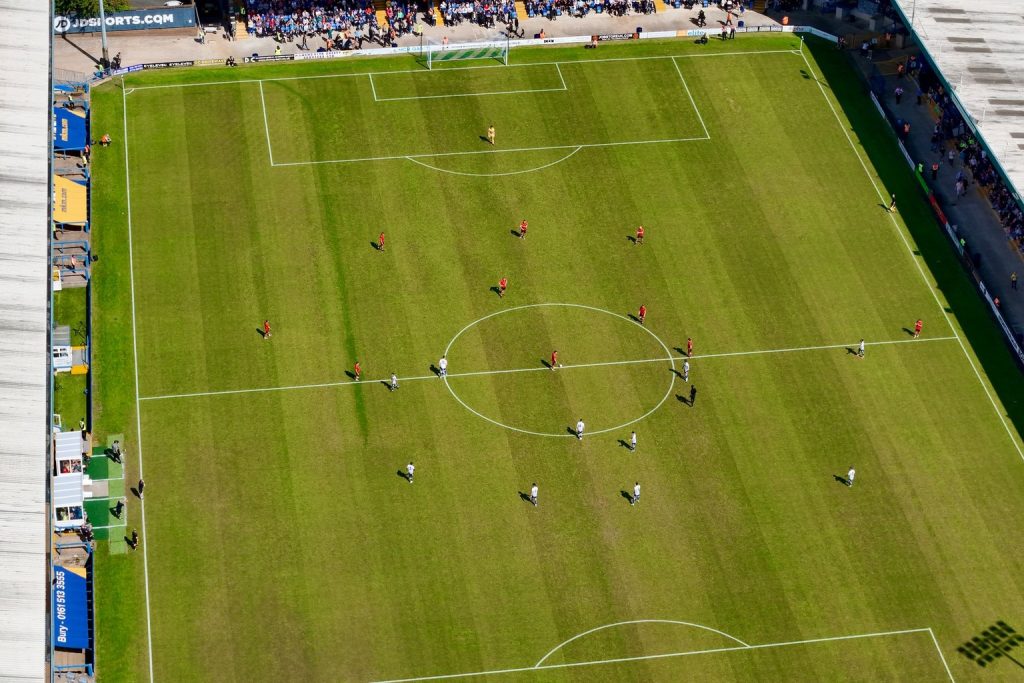
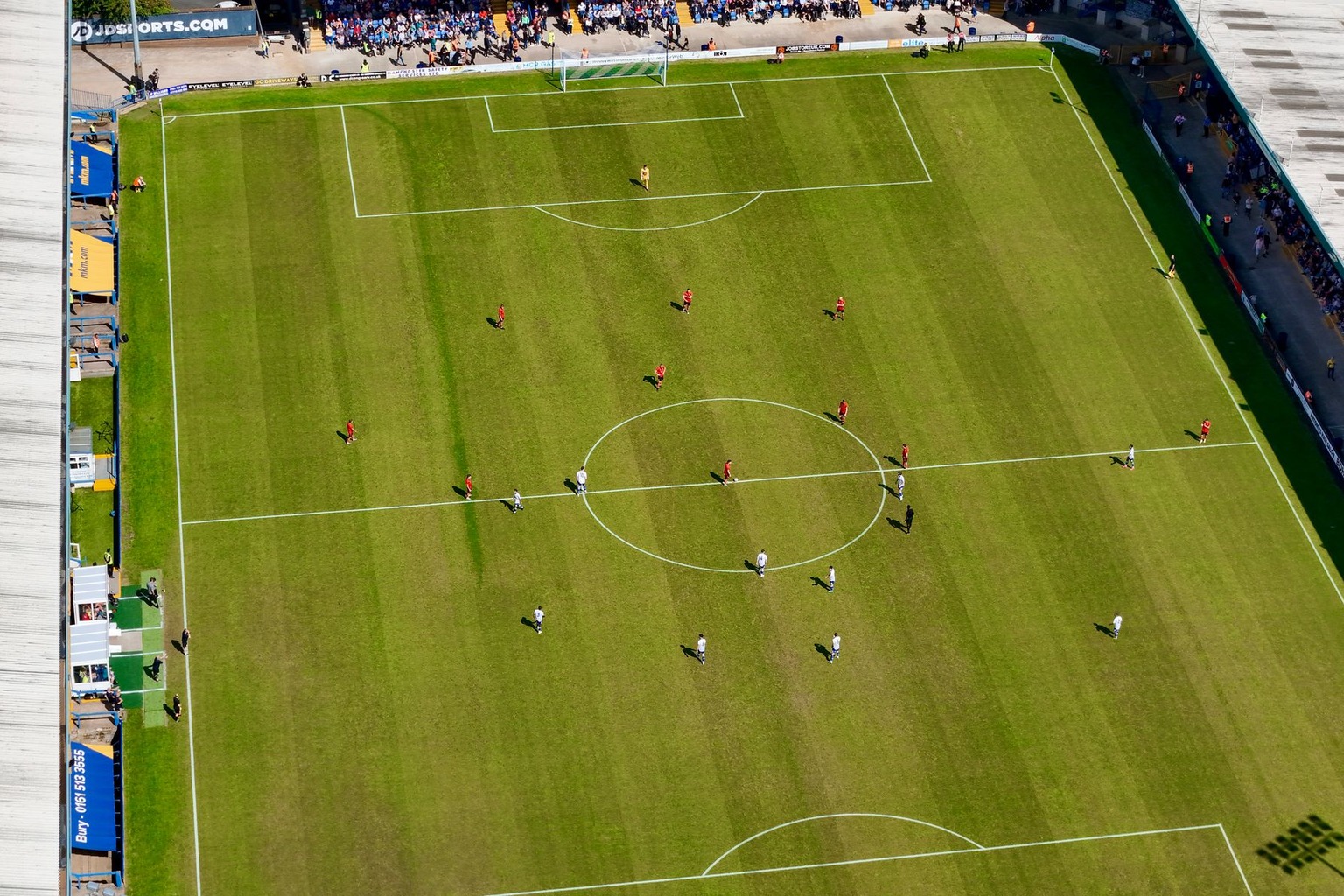
Modern football is defined by positional fluidity, where the wide areas have become the primary engine for breaking down compact defenses. The specific movement of a defender running outside an attacking winger to create numerical superiority in the final third is one of the most effective tools available to a manager. Understanding the mechanics behind overlapping fullbacks requires looking beyond simple instructions and analyzing the underlying spatial dynamics that make the play work. This tactic transforms the wide channel into a crowded corridor of passing options, forcing opponents to make difficult defensive decisions under pressure. It is a methodical approach to width that relies on timing, stamina, and precise communication between the winger and the fullback.
Spatial Creation in the Final Third
The fundamental purpose of this movement is to stretch the opponent’s defensive line horizontally. When a fullback arrives behind the winger, they force the opposing fullback to make a critical decision about which player to track. If the defender stays with their natural marker, the overlapping player gains access to the space near the touchline. This creates a direct route for a low cross or a cutback into the penalty area. The additional body in that zone often draws an extra defender out of position, opening up central spaces for the attacking midfielder or the striker to exploit.
Width is not merely about staying near the sideline; it is about occupying space that forces the opponent to cover more ground. By pushing the defensive line wider, the attacking team increases the distance between the opposing center-backs and fullbacks. This gap in the defensive structure is where passing lanes are born. A well-timed overlap can turn a simple pass into a three-on-two situation in the box. The key is to ensure that the movement creates genuine isolation for one of the attackers rather than just clustering bodies together without clear roles.
Timing and Synchronization with Wingers
The success of the play hinges entirely on the coordination between the winger and the fullback. If the fullback arrives too early, they will be caught offside or simply run into a wall of defenders. Conversely, arriving too late means the winger has already lost momentum and the defensive unit has settled into its shape. The ideal moment for the overlap is when the winger has the ball on their foot and is preparing to drive forward. This split-second delay allows the fullback to find a pocket of space that was previously occupied by the opposing defender.
Communication is vital here, as verbal cues are often replaced by pre-matched signals or visual glances in high-stakes matches. Wingers like Vinicius Jr. or Sadio Mané have developed a natural rhythm with their teammates that makes these runs feel instinctive. The winger must also be willing to drop into a more central position once the fullback has arrived. This interchange of positions is what confuses the defense, as the fullback may now be closer to goal than the winger was moments before. Without this positional swap, the tactic degenerates into redundant running that achieves nothing.
The Role of Defensive Rest Defense
A major risk associated with high pressing and wide overloads is the vulnerability left behind when the team loses possession. If the fullback pushes forward and the winger moves inside, the wide area is left completely exposed to a counter-attack. To mitigate this, teams often employ a defensive rest shape where one of the center-backs shifts wider to cover the space vacated by the fullback. This temporary adjustment ensures that the team does not become unbalanced during transition moments.
Dribble Dreams Academy: How to Play as a Fullback | 8 Must-Know Attacking Runs with Theo Hernández & Achraf Hakimi
The speed of the center-back in making this shift is critical to maintaining structural integrity. If the defensive line stays static while the fullback is in attack, a long ball over the top can easily split the team in two. Coaches must train this defensive rotation repeatedly until it becomes second nature for the players. The ability to recover quickly when possession is lost determines whether this tactic is a net positive or a source of repeated goals conceded. It requires a high level of tactical discipline from every outfield player.
Variations: Half Overlaps and Inside Runs
The traditional full overlap is not the only way to utilize width effectively. Many managers prefer a half overlap, where the fullback stays slightly ahead of the winger rather than running completely behind them. This variation keeps the players closer together, making it easier to execute quick one-two combinations in tight spaces. The half overlap is particularly useful against high defensive lines that have little space behind them. It allows for more intricate passing sequences without the risk of long balls being played over the top.
Another common variation involves the fullback running inside rather than outside, effectively becoming a temporary eighth midfielder. This movement is often seen in teams that play with a single striker and rely on central combinations to create chances. The fullback provides an additional passing option in the half-space, drawing defenders out of their defensive line. The choice between an outside overlap and an inside run depends heavily on the opposition’s defensive setup and the specific strengths of the players involved. Flexibility in these movements keeps the defense guessing.
Player Profiles and Physical Demands
Executing this tactic at a high level requires fullbacks with exceptional physical attributes and tactical intelligence. Speed is the most obvious requirement, as the player must be able to accelerate past a dedicated defender and maintain balance while carrying the ball. However, pure speed is not enough; the player must also possess the ability to make a final cross or pass under pressure. Many modern fullbacks are trained from a young age to handle the ball in advanced areas of the pitch.
Stamina is another non-negotiable factor, as covering the wide channel for ninety minutes is physically exhausting. The distance covered by a fullback in a typical match often exceeds that of any other outfield player. Teams that rely heavily on this tactic must manage their players’ workloads carefully to avoid fatigue-related errors late in the game. Injury risk also increases with the high-intensity demands of the role, making squad depth essential for maintaining consistency throughout a long season. The physical toll is a significant consideration for any manager planning their rotation.
Tactical Context and Opponent Analysis
The decision to use overlapping runs should be informed by a detailed analysis of the opposition’s defensive structure. Against teams that sit in a deep low block, wide overloads are often the most effective way to break down the defense. The compact nature of the block leaves little space in the center, making width the primary avenue for attack. In these situations, the fullback’s arrival can force the defensive line to stretch and create gaps. However, against teams that press high and aggressively, wide overloads can be risky if the defensive rest shape is not properly managed.
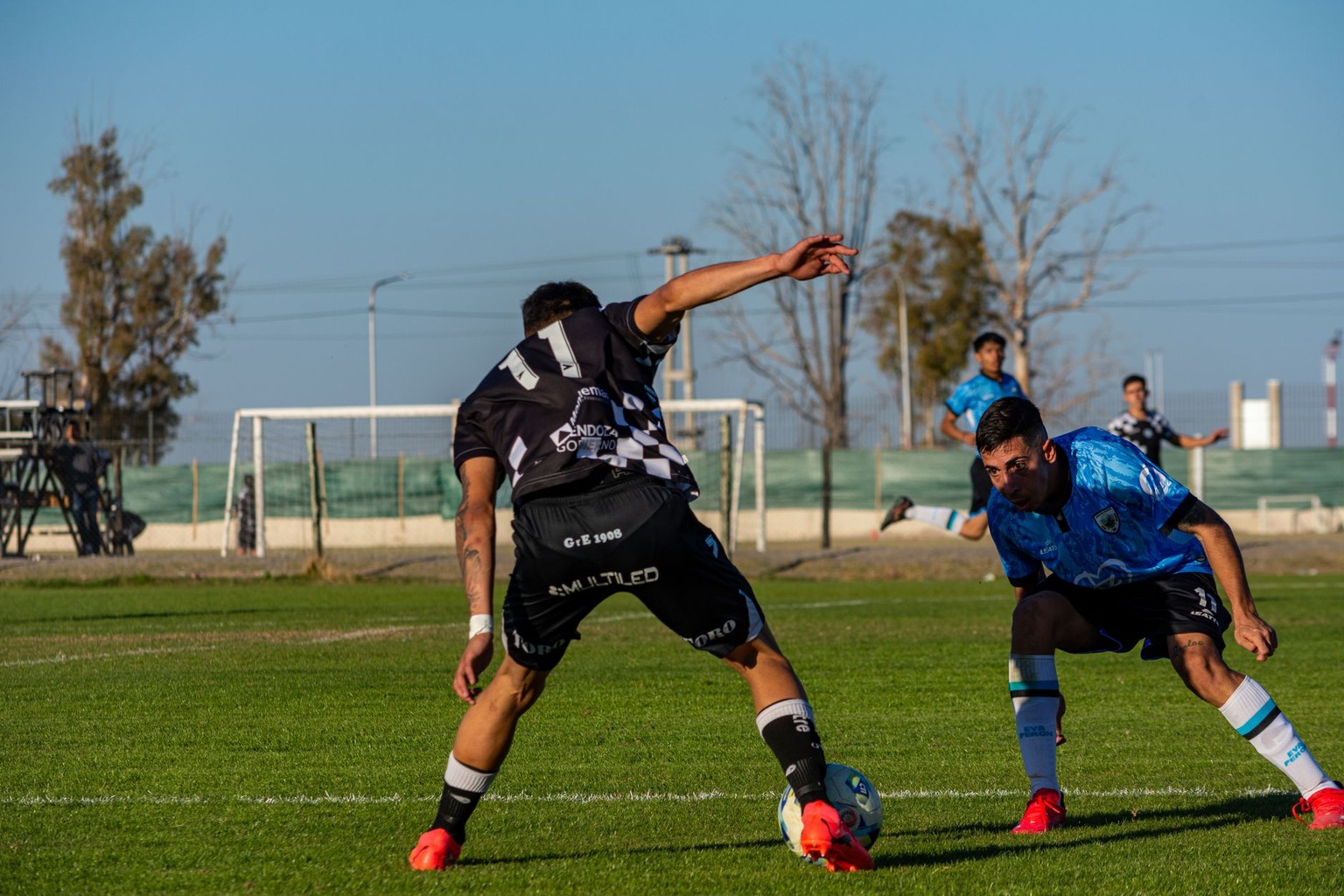
Managers must also consider the specific weaknesses of the opposing fullbacks. If the defender is slow to recover or poor in one-on-one situations, targeting them with repeated overlaps can yield significant rewards. Conversely, if the opponent has a fast and aggressive fullback, it may be better to use the half overlap or keep the ball away from that side entirely. Tactical flexibility is key; sticking rigidly to one method of attack allows opponents to adapt and neutralize the threat. Reading the game in real-time allows for adjustments that can turn a stalemate into a winning performance.
Implementing the System in Training
Drilling this tactic into the team requires specific small-sided games and situational exercises. Coaches often set up scenarios where the fullback and winger must create chances against a defensive unit of four or five players. These drills emphasize the timing of the run and the quality of the final ball. Players learn to read the body shape of the defender and adjust their running line accordingly. Repetition is crucial for building the muscle memory needed to execute these moves under match pressure.
Incorporating defensive transition drills alongside offensive ones ensures that players understand both sides of the coin. The team must practice how to recover quickly when possession is lost during an overlap exercise. This holistic approach prevents the tactic from becoming a liability. By the time the team steps onto the pitch, the movements should feel automatic and intuitive. The goal is to create a unit that can switch between attack and defense with minimal delay and maximum efficiency. Consistent training yields consistent results on the big stage.

I have been a dedicated student of the game for as long as I can remember, always looking to uncover the stories behind the stats. My weekends revolve around analyzing tactical shifts and emerging talent across various leagues. I write to share that passion and provide a fresh perspective on the sport I love.