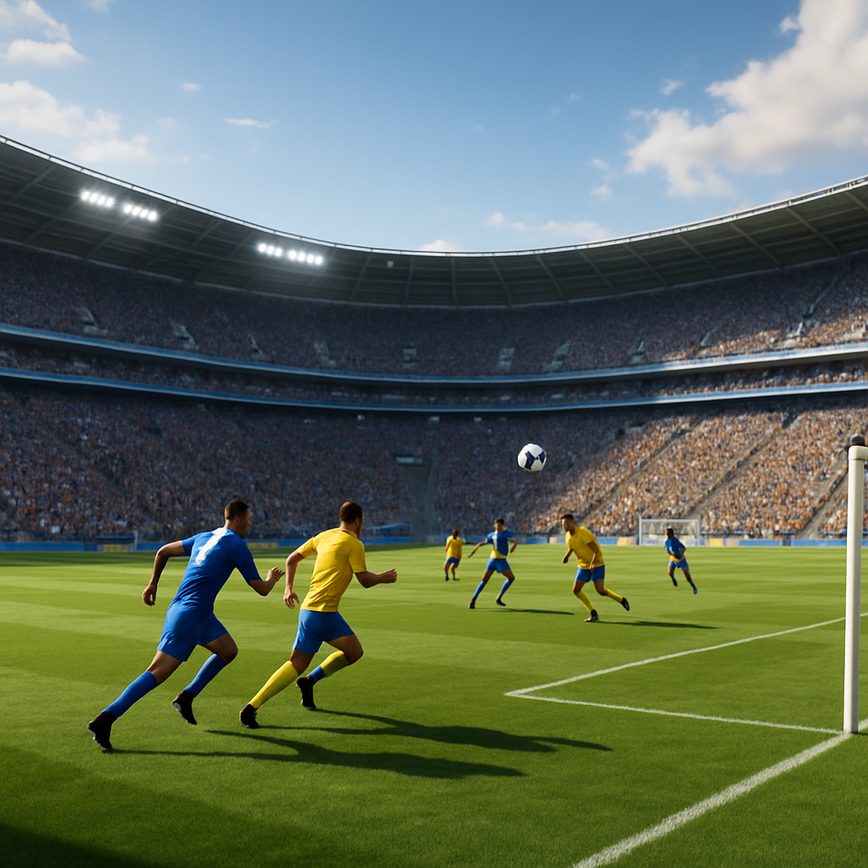
Psychological pressure also impacts both players and referees during a match. The home team benefits from the mental advantage of playing in a supportive atmosphere surrounded by their fans, which boosts confidence and reduces anxiety. Conversely, visiting teams often experience heightened stress and nervousness, which can decrease their performance levels. This mental contrast further enhances the home advantage, as players feel more motivated and focused.
In summary, the combined effect of referee bias and psychological pressure gives the home team a tangible edge. Referees influenced by the crowd’s reactions and the home players’ comfort in familiar settings create an environment where the home team can capitalize on these factors. This dynamic, encompassing both physical decisions and mental states, is a fundamental aspect of why playing at home is considered an advantage in football.
Travel and Environmental Factors
Travel fatigue plays a significant role in diminishing the performance of visiting football teams. Long journeys, especially across multiple time zones, disrupt players’ physical condition and mental sharpness. The exhaustion caused by hours of travel can lead to slower reaction times, decreased stamina, and an overall lack of concentration during the match. Additionally, visiting teams often struggle to adapt quickly to the environment of the host location, including factors such as climate, altitude, and humidity, which can be drastically different from what they are accustomed to.
Pitch familiarity is another critical aspect that gives home teams an edge. The home team is accustomed to the nuances of their own playing surface—from the texture and speed of the grass to specific field dimensions—which can affect ball behavior and player movement. Visitors, unfamiliar with these conditions, may find it challenging to predict ball bounces or adjust their strategies accordingly. This lack of environmental familiarity adds pressure and uncertainty to the visiting team’s game plan.
Combining travel fatigue with unfamiliar environmental factors, visiting teams often face a compounded disadvantage when playing away games. The physical and mental toll from travel, coupled with the challenge of adapting to less-known pitch conditions, creates an environment where home advantage is naturally reinforced. Players’ reduced efficiency in handling these stresses can lead to underperformance, making it harder for the visitors to compete on equal footing.
Statistical Evidence and Recent Research
Recent statistical data and research studies have made significant strides in quantifying the concept of home advantage in football. Numerous research studies analyzing match outcomes and performance data across various leagues worldwide consistently show that teams are more likely to secure favorable results when playing on their home turf. This phenomenon has been attributed to multiple factors that together create an environment conducive to improved home team performance.
One of the key findings from recent statistics highlights that home teams win approximately 50-60% of their matches, depending on the league and level of competition. This win percentage is notably higher compared to away games, where teams often record a significantly lower success rate. The analysis of match outcomes over entire seasons shows not only a higher frequency of wins but also increased goal-scoring efficiency and reduced error rates among home teams.
Recent research studies have further decomposed the home advantage effect by examining detailed performance data such as player running distances, pass completion rates, and referee decisions. These studies demonstrate that home teams tend to exhibit greater physical and tactical dominance, partly due to familiarity with pitch conditions and crowd support. Additionally, research using advanced statistical models has identified referee bias as a subtle but measurable contributor to home advantage, with referees more likely to favor home teams in critical decisions.
Beyond raw statistics, some studies have explored psychological and environmental factors through quantitative methods. For instance, the presence of a supportive home crowd statistically boosts player morale, translating into enhanced on-field energy levels and tactical cohesion. Conversely, away teams often face disadvantages such as travel fatigue and hostile environments, which are quantifiable contributors to their lower performance metrics in match outcomes.
In summary, the convergence of recent statistics and research studies provides robust evidence that home advantage is a measurable and significant factor in football. The combination of improved physical performance data, refereeing trends, and crowd effects clearly quantifies why playing at home offers a competitive edge in the majority of matches.
Analysis of Match Outcomes
When examining the data on football match outcomes, a clear pattern emerges that supports the notion of home advantage. The frequency of home wins consistently outnumbers away wins across most leagues, demonstrating that playing on familiar turf significantly benefits the host team. This advantage can be attributed to various factors including crowd support, familiarity with the playing conditions, and reduced travel fatigue.
In addition to the prevalence of home wins, the rate of draws also plays a role in understanding match dynamics. Matches played at home tend to have fewer draws compared to those held away, suggesting that home teams push more aggressively for victory in front of their supporters. Conversely, away teams often adopt more cautious strategies, resulting in a higher proportion of draws or losses.
Another notable trend in match outcomes is the higher incidence of away losses relative to home losses. Away teams face challenges such as hostile environments and unfamiliar stadiums, which can negatively impact their performance. This further consolidates the idea that home advantage is a tangible factor in football results, influencing not only who wins but also the overall distribution of draws and losses in the sport.
Recent Academic and Scientific Studies
Recent academic studies and scientific research have delved deeply into the phenomenon of home advantage in football, revealing insightful findings related to football psychology. These studies confirm that the familiar environment of a home stadium, backed by supportive fans, significantly influences players’ mental states and performance levels. Psychological factors such as increased confidence, reduced anxiety, and heightened motivation are frequently highlighted as key contributors to the home advantage effect.
Researchers have employed various methodologies including statistical analyses of match outcomes, physiological monitoring, and psychological assessments to explore how home advantage manifests in football. Their findings suggest that the crowd’s presence can act as a form of social support, boosting players’ morale and focus, while simultaneously exerting psychological pressure on visiting teams and referees. Such dynamics emphasize the critical role of football psychology in understanding game results and team strategies.
Moreover, scientific research continues to investigate how factors like travel fatigue, referee bias, and familiarity with pitch conditions interact with psychological components to strengthen the home advantage. This multi-disciplinary approach enriches our comprehension of football performance and helps coaches and players develop tailored approaches to maximize benefits when playing at home. Overall, these recent academic and scientific efforts provide a robust foundation for appreciating the complex, multifaceted nature of home advantage in football.
Understanding Home Advantage in Football
Home advantage in football refers to the phenomenon where teams playing on their own home field have a higher chance of winning compared to when they play away games. This advantage is influenced by a variety of factors that together create an environment favorable to the home team. It is a well-documented element in sports psychology, illustrating how location and crowd support can impact athletic performance.
One of the most basic concepts behind home advantage is familiarity. Playing on a home field means athletes are accustomed to the playing conditions, such as the pitch dimensions, turf type, lighting, and even weather conditions that can sometimes influence the game’s outcome. This familiarity often gives the home team confidence and comfort, allowing them to perform better.
Another critical factor contributing to home advantage is the support of the home crowd. The presence of enthusiastic fans cheering for their team can boost players’ morale and energy levels. The loud and passionate support creates an intimidating atmosphere for the visiting team, potentially affecting their concentration and performance. This psychological edge provided by the crowd’s encouragement is a key component in sports psychology related to home advantage.
Furthermore, there is the element of reduced travel fatigue. The home team does not have to endure long journeys or adjust to different time zones, which can impact physical and mental readiness. On the other hand, visiting teams may face exhaustion and disruption to their regular routines, which can hinder their performance.
In football, the significance of home advantage is reflected in statistics showing higher win rates for home teams across various leagues worldwide. Coaches and analysts often strategize around maximizing this advantage—emphasizing strong home performances to accumulate points crucial for success in the sport.
Overall, home advantage in football is a multifaceted concept encompassing physical, psychological, and environmental factors. Understanding this advantage is vital, as it illustrates the subtle yet powerful ways location can shape the dynamics and outcomes of the beautiful game.
Definition and Overview
In football, home advantage refers to the phenomenon where the home team is more likely to perform better and secure favorable results compared to when playing away. This concept is deeply rooted in several psychological, environmental, and social factors that collectively give the home team a significant edge. Understanding the home advantage basics is crucial for players, coaches, and analysts alike, as it influences game strategies and expectations.
At its core, the definition of home advantage in football encapsulates how familiar surroundings, supportive crowd, and the absence of travel-related fatigue contribute to improved performance. Players often feel more comfortable and confident playing in their home stadium, where pitch conditions are accustomed to their style and the atmosphere is charged with enthusiastic supporters. This pressure on the visiting team can negatively impact their focus and morale.
The overview of home advantage basics also includes factors such as referee bias, which studies have shown can sometimes unintentionally favor the home side, influenced by crowd reactions. Additionally, everything from the timing of matches to the logistics involved in travel plays a part in shaping the outcome. In summary, the home advantage in football is a multifaceted concept that explains why teams tend to win more often on their own turf, underscoring the importance of location in the beautiful game.
Historical Context and Trends
The history of football is rich with examples that highlight the significance of home advantage. Over the decades, numerous matches have demonstrated how playing on familiar grounds can sway outcomes in favor of the home team. Historically, teams have enjoyed higher win rates when competing at home, a trend consistently backed by football statistics worldwide. From league games to international tournaments, the presence of a supportive crowd, familiarity with the pitch, and reduced travel fatigue have all contributed to this phenomenon.
Statistical trends emphasize that home advantage is not simply anecdotal but quantifiable. Studies analyzing thousands of matches reveal that home teams win approximately 60% of the time, with draws and away wins making up the remainder. This pattern holds across various leagues and eras, indicating that the advantage is deeply embedded in the sport’s dynamics. For example, historical data from the English Premier League and other major competitions reveal consistent home dominance, although the degree of advantage may fluctuate due to factors such as team strength and crowd restrictions.
Moreover, historical context shows that innovations in travel and stadium design have influenced trends in home advantage. Earlier decades saw pronounced home dominance due to difficult travel and distinct local conditions. In contrast, modern logistics and standardized playing conditions have somewhat moderated but not eliminated the home edge. Thus, football statistics continue to support the reality that understanding these historical examples and trends is essential for appreciating the full impact of home advantage in the beautiful game.
Factors Influencing Home Advantage
Home advantage in football is a well-documented phenomenon influenced by several key factors that collectively enhance the performance of the home team. One of the most significant contributors is the crowd influence. The presence of a supportive home crowd can boost players’ morale, increase adrenaline levels, and create an intense atmosphere that places psychological pressure on the visiting team. The cheering and encouragement from thousands of fans often energize the home players, making them more confident and motivated throughout the match.
Referee bias also plays a crucial role in home advantage. Studies have shown that officials can be subconsciously swayed by the home crowd’s reactions, leading to decisions that favor the home team. This can manifest in subtle ways, such as awarding more fouls or penalties to the home side or giving less stringent punishments for aggressive plays. Although referees strive for neutrality, the loud environment and crowd dynamics can influence their judgment during critical moments of the game.
Additionally, travel fatigue significantly impacts the performance of the visiting team. Traveling long distances to away matches can disrupt players’ routines and reduce their physical readiness. Factors such as jet lag, unfamiliar accommodations, and the stress of travel contribute to a decline in concentration and stamina. Meanwhile, the home team enjoys the comfort of familiar surroundings, consistent training schedules, and proper rest, which collectively contribute to their superior performance on match day.
Other factors like pitch familiarity and territoriality also influence the home advantage. Home teams are more accustomed to the specific dimensions and playing surface of their stadium, enabling them to execute strategies and maneuvers more effectively. Moreover, the sense of protecting one’s territory can instill greater determination and resilience in home players, fostering a competitive edge.
In conclusion, the interplay of crowd influence, referee bias, travel fatigue, and environmental familiarity creates a complex set of advantages for the home football team. Understanding these factors is essential for teams and coaches aiming to prepare effectively for away matches and mitigate the challenges posed by playing on unfamiliar grounds.
Impact of Crowd Support
The presence of a passionate home crowd can significantly influence player performance and the overall dynamics of a football match. Crowd support often boosts the morale and confidence of the home team players, encouraging them to push harder and maintain higher energy levels throughout the game. This fan influence creates an environment where players feel motivated to perform at their best, knowing they have the vocal backing of thousands of supporters cheering them on from the stands.
Beyond motivating players, the home crowd’s influence can also impact referee decisions. Studies and observations have shown that referees may subconsciously favor the home team due to the intense pressure and noise from the home crowd. This can result in more lenient judgments toward fouls or favorable calls that might slightly tip the balance in favor of the home team. The psychological effect of the home crowd is thus powerful, as referees—despite their best efforts to remain impartial—can be swayed by the collective emotions and reactions of the fans.
Overall, crowd support is a crucial element that contributes to the home advantage in football. The roar of the home crowd energizes players and subtly influences match officials, creating a challenging atmosphere for the visiting team. This synergy between player performance and fan influence underscores the undeniable impact the home crowd holds in shaping the outcome of football matches.
Referee and Psychological Effects
The role of referees and psychological factors plays a significant part in reinforcing the home advantage in football. Referee bias, although often unintentional, can favor the home team due to subtle influences such as crowd noise, pressure, and the familiar environment. Studies show that referees are more likely to make favorable decisions, such as awarding penalties or allowing aggressive play, when officiating in front of a passionate home crowd. This bias contributes to the home team’s increased chances of success.
Psychological pressure also impacts both players and referees during a match. The home team benefits from the mental advantage of playing in a supportive atmosphere surrounded by their fans, which boosts confidence and reduces anxiety. Conversely, visiting teams often experience heightened stress and nervousness, which can decrease their performance levels. This mental contrast further enhances the home advantage, as players feel more motivated and focused.
In summary, the combined effect of referee bias and psychological pressure gives the home team a tangible edge. Referees influenced by the crowd’s reactions and the home players’ comfort in familiar settings create an environment where the home team can capitalize on these factors. This dynamic, encompassing both physical decisions and mental states, is a fundamental aspect of why playing at home is considered an advantage in football.
Travel and Environmental Factors
Travel fatigue plays a significant role in diminishing the performance of visiting football teams. Long journeys, especially across multiple time zones, disrupt players’ physical condition and mental sharpness. The exhaustion caused by hours of travel can lead to slower reaction times, decreased stamina, and an overall lack of concentration during the match. Additionally, visiting teams often struggle to adapt quickly to the environment of the host location, including factors such as climate, altitude, and humidity, which can be drastically different from what they are accustomed to.
Pitch familiarity is another critical aspect that gives home teams an edge. The home team is accustomed to the nuances of their own playing surface—from the texture and speed of the grass to specific field dimensions—which can affect ball behavior and player movement. Visitors, unfamiliar with these conditions, may find it challenging to predict ball bounces or adjust their strategies accordingly. This lack of environmental familiarity adds pressure and uncertainty to the visiting team’s game plan.
Combining travel fatigue with unfamiliar environmental factors, visiting teams often face a compounded disadvantage when playing away games. The physical and mental toll from travel, coupled with the challenge of adapting to less-known pitch conditions, creates an environment where home advantage is naturally reinforced. Players’ reduced efficiency in handling these stresses can lead to underperformance, making it harder for the visitors to compete on equal footing.
Statistical Evidence and Recent Research
Recent statistical data and research studies have made significant strides in quantifying the concept of home advantage in football. Numerous research studies analyzing match outcomes and performance data across various leagues worldwide consistently show that teams are more likely to secure favorable results when playing on their home turf. This phenomenon has been attributed to multiple factors that together create an environment conducive to improved home team performance.
One of the key findings from recent statistics highlights that home teams win approximately 50-60% of their matches, depending on the league and level of competition. This win percentage is notably higher compared to away games, where teams often record a significantly lower success rate. The analysis of match outcomes over entire seasons shows not only a higher frequency of wins but also increased goal-scoring efficiency and reduced error rates among home teams.
Recent research studies have further decomposed the home advantage effect by examining detailed performance data such as player running distances, pass completion rates, and referee decisions. These studies demonstrate that home teams tend to exhibit greater physical and tactical dominance, partly due to familiarity with pitch conditions and crowd support. Additionally, research using advanced statistical models has identified referee bias as a subtle but measurable contributor to home advantage, with referees more likely to favor home teams in critical decisions.
Beyond raw statistics, some studies have explored psychological and environmental factors through quantitative methods. For instance, the presence of a supportive home crowd statistically boosts player morale, translating into enhanced on-field energy levels and tactical cohesion. Conversely, away teams often face disadvantages such as travel fatigue and hostile environments, which are quantifiable contributors to their lower performance metrics in match outcomes.
In summary, the convergence of recent statistics and research studies provides robust evidence that home advantage is a measurable and significant factor in football. The combination of improved physical performance data, refereeing trends, and crowd effects clearly quantifies why playing at home offers a competitive edge in the majority of matches.
Analysis of Match Outcomes
When examining the data on football match outcomes, a clear pattern emerges that supports the notion of home advantage. The frequency of home wins consistently outnumbers away wins across most leagues, demonstrating that playing on familiar turf significantly benefits the host team. This advantage can be attributed to various factors including crowd support, familiarity with the playing conditions, and reduced travel fatigue.
In addition to the prevalence of home wins, the rate of draws also plays a role in understanding match dynamics. Matches played at home tend to have fewer draws compared to those held away, suggesting that home teams push more aggressively for victory in front of their supporters. Conversely, away teams often adopt more cautious strategies, resulting in a higher proportion of draws or losses.
Another notable trend in match outcomes is the higher incidence of away losses relative to home losses. Away teams face challenges such as hostile environments and unfamiliar stadiums, which can negatively impact their performance. This further consolidates the idea that home advantage is a tangible factor in football results, influencing not only who wins but also the overall distribution of draws and losses in the sport.
Recent Academic and Scientific Studies
Recent academic studies and scientific research have delved deeply into the phenomenon of home advantage in football, revealing insightful findings related to football psychology. These studies confirm that the familiar environment of a home stadium, backed by supportive fans, significantly influences players’ mental states and performance levels. Psychological factors such as increased confidence, reduced anxiety, and heightened motivation are frequently highlighted as key contributors to the home advantage effect.
Researchers have employed various methodologies including statistical analyses of match outcomes, physiological monitoring, and psychological assessments to explore how home advantage manifests in football. Their findings suggest that the crowd’s presence can act as a form of social support, boosting players’ morale and focus, while simultaneously exerting psychological pressure on visiting teams and referees. Such dynamics emphasize the critical role of football psychology in understanding game results and team strategies.
Moreover, scientific research continues to investigate how factors like travel fatigue, referee bias, and familiarity with pitch conditions interact with psychological components to strengthen the home advantage. This multi-disciplinary approach enriches our comprehension of football performance and helps coaches and players develop tailored approaches to maximize benefits when playing at home. Overall, these recent academic and scientific efforts provide a robust foundation for appreciating the complex, multifaceted nature of home advantage in football.

I have been a dedicated student of the game for as long as I can remember, always looking to uncover the stories behind the stats. My weekends revolve around analyzing tactical shifts and emerging talent across various leagues. I write to share that passion and provide a fresh perspective on the sport I love.