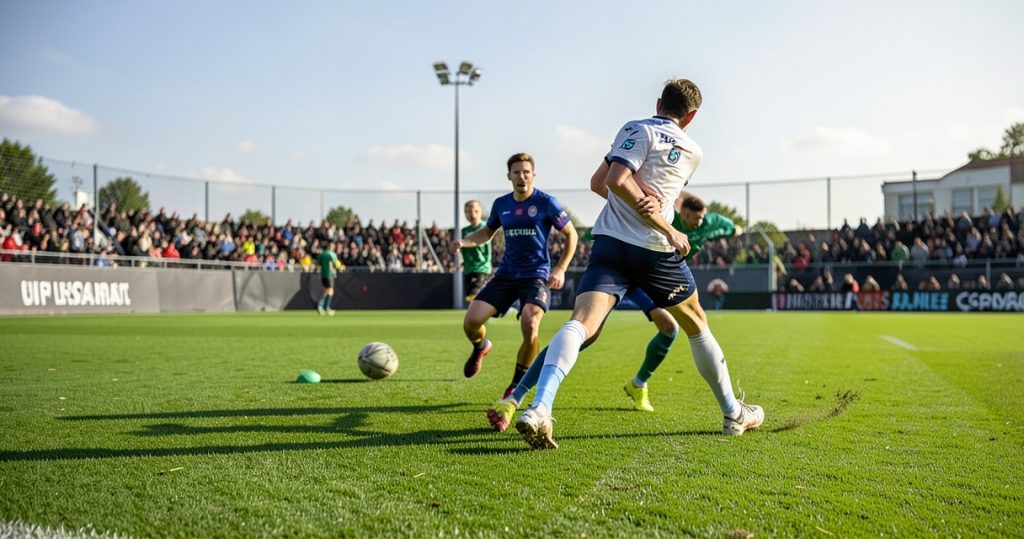
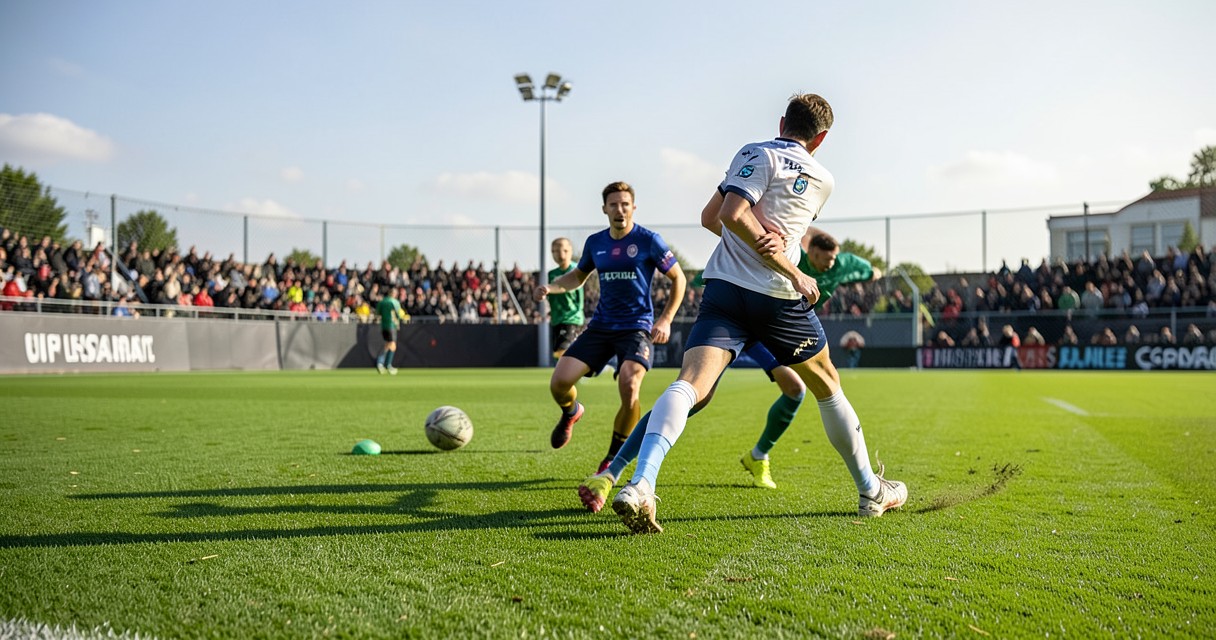
The compact midfield block has become an essential tactical element in modern football, particularly in high-stakes matches where teams prioritize defensive stability. This strategy focuses on creating a dense, organized structure in the midfield area, making it difficult for opposing teams to penetrate and create scoring opportunities. Coaches and players are increasingly aware of the importance of this approach, as it not only bolsters defensive capabilities but also facilitates quick transitions to attack when the opportunity arises. Understanding how a compact midfield block operates can provide valuable insights into contemporary football tactics.
Understanding the Compact Midfield Block
A compact midfield block is characterized by the close positioning of midfielders, who work together to minimize space and limit the opponent’s options. This structure typically involves four to six players forming a cohesive unit, effectively narrowing the passing lanes and forcing opponents to play wide. By doing so, teams can control the flow of the game, dictating the tempo and frustrating the attacking side. The compactness of this block not only aids in defensive duties but also allows for quick counterattacks by exploiting the spaces left by the opposition when they attempt to break through.
The formation of a compact midfield block often depends on the team’s overall strategy and the specific strengths of its players. For instance, teams with strong defensive midfielders who excel in tackling and intercepting passes are better suited to implement this tactic. Moreover, the communication and understanding among players are crucial, as they need to shift together as a unit to maintain their compactness and effectively respond to the movements of the opposing players.
Key Characteristics of a Compact Midfield Block
Several key characteristics define a successful compact midfield block. First, the positioning of players is paramount; they must remain close enough to support one another while still being able to engage opponents. This often involves midfielders adopting a staggered formation, where players are positioned at different depths to cover various angles of attack. The effectiveness of this staggered approach can be seen in teams like Atletico Madrid, known for their disciplined and organized midfield structure.
Another important aspect is the ability to quickly transition between defensive and offensive roles. When the ball is regained, players in a compact block must be ready to exploit gaps in the opponent’s defense. This requires a high level of fitness and tactical awareness, allowing players to quickly shift from a defensive mindset to an attacking one. Teams that excel in this transition, such as Liverpool under Jürgen Klopp, demonstrate how a compact block can lead to swift counterattacks and goal-scoring opportunities.
The Role of Midfielders in the Compact Block
Midfielders play a pivotal role in the execution of a compact block. Their responsibilities extend beyond mere defensive duties; they must also facilitate ball retention and distribution during counterattacks. This dual role requires players to possess strong tactical intelligence and technical skills. For example, players like N’Golo Kanté exemplify the ideal midfielder in a compact block, combining relentless work ethic with the ability to read the game and intercept passes effectively.

Additionally, the positioning of midfielders is crucial to ensuring that they can support both defensive and offensive phases. They need to be able to quickly adjust their positioning based on the ball’s location and the movements of both teammates and opponents. This adaptability is essential for maintaining the integrity of the compact block while also providing options for quick transitions and retaining possession of the ball.
Challenges of Implementing a Compact Midfield Block
While the compact midfield block can be highly effective, it is not without its challenges. One significant issue is the potential for a lack of offensive creativity. When players are overly focused on maintaining defensive shape, they may become passive in attack, leading to a lack of goal-scoring opportunities. Teams must find a balance between defensive solidity and offensive fluidity to ensure they can pose a threat to opponents.
Another challenge is the physical demand placed on midfielders. Maintaining compactness requires constant movement and awareness, which can lead to fatigue over the course of a match. Teams that rely heavily on this tactic must ensure their players are fit and capable of sustaining high levels of intensity throughout the game. Failure to do so can result in gaps emerging in the midfield, allowing opponents to exploit the spaces and create scoring chances.
Case Studies: Successful Implementation of the Compact Midfield Block
Several teams have successfully integrated the compact midfield block into their tactical repertoire. One notable example is Chelsea under manager Thomas Tuchel, who utilized a compact midfield to great effect during their UEFA Champions League campaign in 2021. By organizing their midfielders tightly, Chelsea was able to disrupt the opposition’s attacking flow and quickly transition to counterattacks, ultimately leading to their triumph in the tournament.
Another example can be found in the performance of the Italian national team during Euro 2020. Italy’s midfield was characterized by its compactness and discipline, effectively stifling opponents while maintaining the ability to break forward quickly. This approach not only secured them a place in the final but also showcased the effectiveness of a well-implemented compact midfield block at the highest level of competition.
Adapting the Compact Midfield Block to Different Tactics
The compact midfield block is versatile and can be adapted to various tactical frameworks. For instance, teams playing with a back three often employ a compact block to provide additional defensive support, allowing wingbacks to push forward more freely. This adaptation can create a balance between defensive solidity and attacking threat, as seen in the tactics of teams like Inter Milan under Antonio Conte.
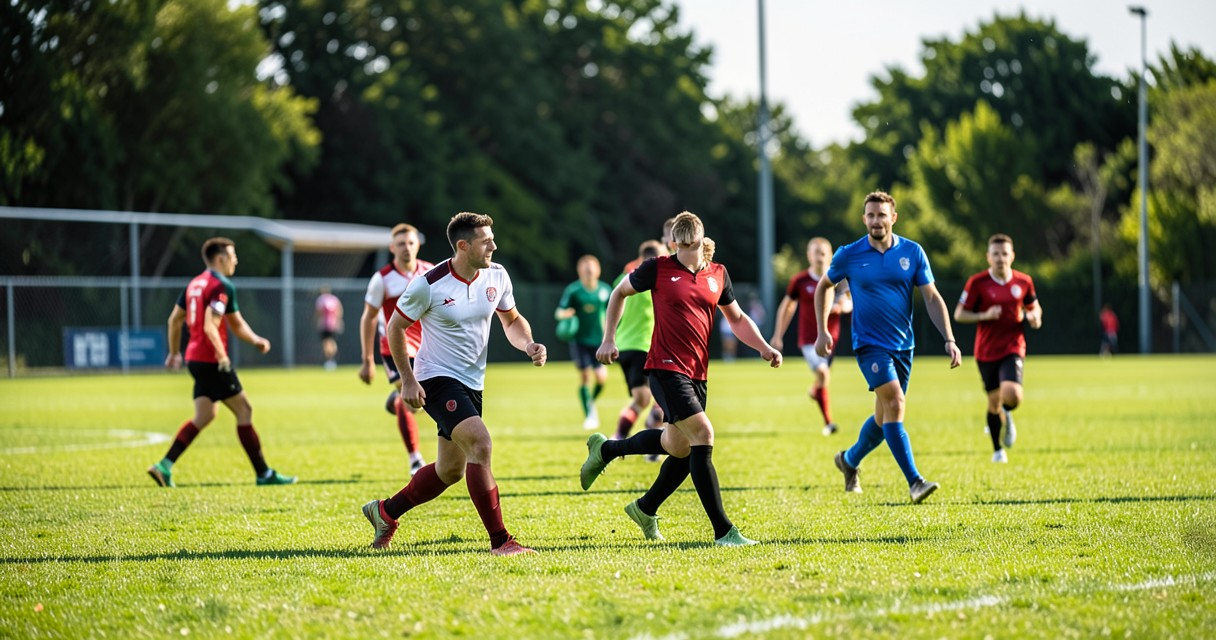
Moreover, the compact block can be adjusted based on the opponent’s style of play. Against teams that prioritize possession, a more aggressive pressing approach can be integrated into the compact structure, allowing for quick turnovers and counterattacks. Conversely, when facing teams with a direct style, maintaining a deeper compact block can help absorb pressure and prevent long balls from reaching the forwards. This adaptability is a key strength of the compact midfield block, making it a valuable tactic across different match scenarios.
The Future of the Compact Midfield Block
As football continues to evolve, the compact midfield block will likely remain a staple tactic for many teams aiming for defensive stability. However, the increasing emphasis on attacking football and the need for fluidity may prompt teams to innovate further within this framework. Coaches are likely to experiment with variations that allow for greater creativity in attack while maintaining the defensive strength that the compact block provides.
Emerging talents in midfield, who possess both defensive acumen and attacking flair, will shape the future of this tactic. As teams increasingly invest in player development and tactical education, the compact midfield block will continue to adapt, ensuring its relevance in the ever-changing landscape of modern football. Understanding these dynamics will be essential for fans, analysts, and aspiring coaches looking to grasp the intricacies of contemporary football tactics.

I have been a dedicated student of the game for as long as I can remember, always looking to uncover the stories behind the stats. My weekends revolve around analyzing tactical shifts and emerging talent across various leagues. I write to share that passion and provide a fresh perspective on the sport I love.