In the world of football, compact defending strategies have become increasingly vital for teams aiming to secure results against formidable opponents. These strategies focus on maintaining a tight defensive shape, denying space to attackers, and effectively neutralizing opposing threats. By understanding and implementing compact defending, teams can enhance their defensive resilience while creating opportunities to counterattack. This article will explore various compact defending strategies, their key principles, and notable examples from professional football.
Understanding Compact Defending
Compact defending refers to a tactical approach where players maintain a close formation, minimizing gaps between them. This strategy is particularly effective against teams that rely on intricate passing and movement to break down defenses. By staying compact, defenders can reduce the available space for attackers, making it challenging for them to execute their game plan. The primary goal is to frustrate opponents, forcing them into low-percentage shots or turnovers.
Teams employing compact defending often utilize formations like the 4-4-2 or 5-4-1, which emphasize a strong midfield presence and a solid backline. This setup allows teams to cover critical areas of the pitch while remaining organized. The effectiveness of compact defending hinges on communication and teamwork, as players must work in unison to maintain their shape and quickly transition between defense and attack.
Key Principles of Compact Defending
To effectively implement compact defending, teams must adhere to several key principles. First, maintaining a tight formation is essential. Players should position themselves within close proximity, creating a barrier that is difficult for opponents to penetrate. This requires constant awareness and discipline, as players must resist the temptation to spread out and chase the ball.
Second, players should be proactive in their defensive duties. This involves anticipating the opponent’s movements and making timely interventions. Compact defending is not passive; it requires players to engage opponents while remaining within the team’s formation. This proactive approach can lead to turnovers, providing opportunities for quick counterattacks.
Pressing and Compactness
Compact defending often goes hand-in-hand with pressing strategies. Teams can apply pressure high up the pitch while maintaining compactness, forcing opponents into mistakes. For example, when a team loses possession, the nearest players should immediately press the ball carrier, while others cover potential passing lanes. This not only disrupts the opponent’s rhythm but also keeps the defensive shape intact.
One notable example of this approach is Liverpool under Jürgen Klopp. The team’s “gegenpressing” style relies on quick, intense pressing combined with a compact defensive structure. When Liverpool loses the ball, players swarm the opponent, aiming to regain possession swiftly. This strategy has proven effective, leading to numerous goals from turnovers.
Low Block vs. High Block Defending
Compact defending can be categorized into two primary styles: low block and high block. A Low block involves a deep defensive line, with players positioned close to their goal. This strategy is often employed by teams facing stronger opponents, as it allows them to absorb pressure and hit on the counter. For instance, Atletico Madrid frequently utilizes a low block, inviting pressure while remaining organized to exploit spaces left by the attacking team.
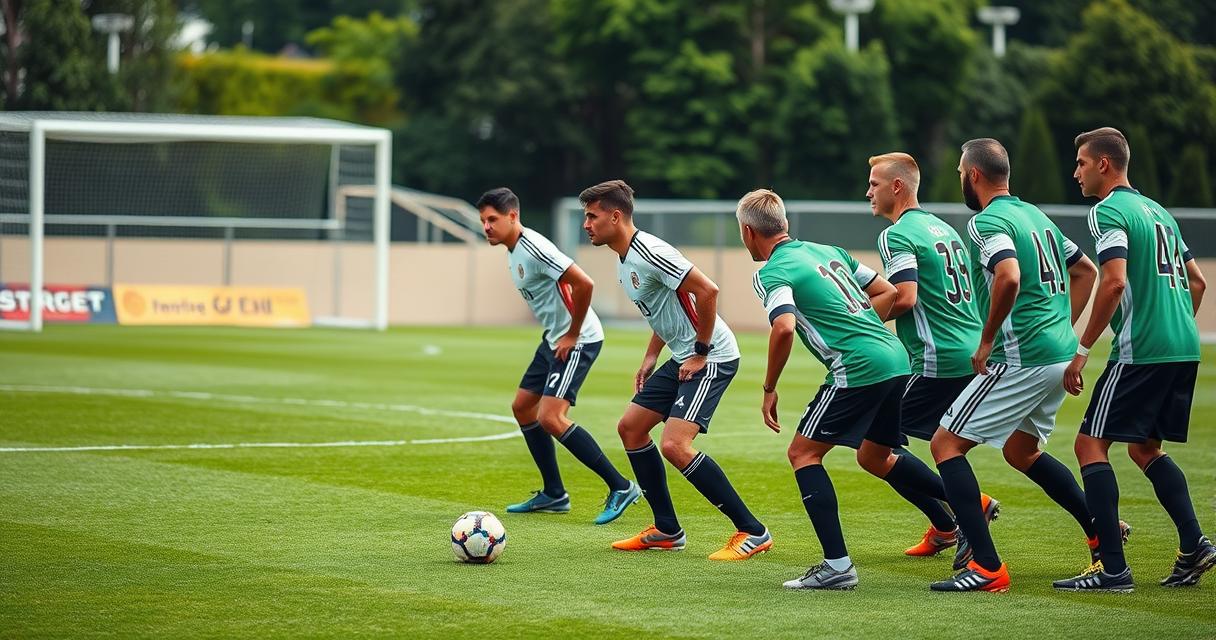
Conversely, a high block involves positioning defenders further up the pitch to engage opponents in their half. This tactic aims to win the ball back quickly and disrupt the opponent’s build-up play. Teams like Manchester City have effectively used a high block, relying on their pressing and compactness to regain possession in advanced areas.
Communication and Teamwork in Compact Defending
For compact defending to be successful, effective communication and teamwork are paramount. Players must constantly talk to one another, ensuring everyone understands their roles and responsibilities. This is particularly important when shifting positions or adjusting to the opponent’s movements. A well-organized defense can quickly transition from a compact shape to covering counterattack threats.
Leadership within the squad also plays a crucial role. A vocal center-back or defensive midfielder can orchestrate the defensive line, ensuring players maintain their shape and respond cohesively to threats. Teams that excel in compact defending often have strong leaders who can instill discipline and focus in the defensive unit.
Training Compact Defending
Training compact defending requires a structured approach that emphasizes tactical awareness and physical conditioning. Coaches can implement drills that focus on maintaining shape while defending, such as small-sided games that encourage players to work together in tight spaces. These drills help players develop their understanding of positioning and teamwork, which are essential for effective compact defending.
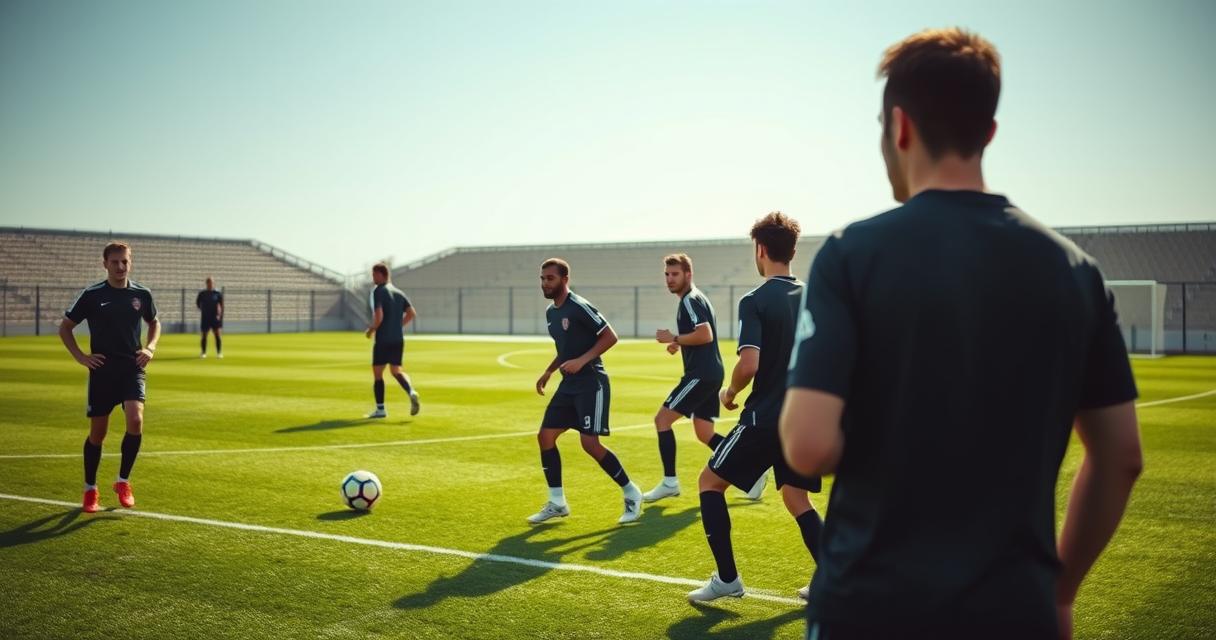
Additionally, video analysis can be a valuable tool in training. Coaches can review match footage to highlight successful examples of compact defending, allowing players to learn from real-game scenarios. This analysis can help reinforce the importance of maintaining compactness and communication during matches.
Examples of Successful Compact Defending
Several teams have gained recognition for their effective use of compact defending strategies. One notable example is Italy’s national team during the 2020 UEFA European Championship. Under Roberto Mancini, Italy showcased a disciplined defensive structure that frustrated opponents, allowing them to progress to the final. Their ability to maintain compactness while pressing effectively contributed to their success.
Another example is Chelsea during their 2020-2021 Premier League campaign. Managed by Thomas Tuchel, the team adopted a compact defending approach that emphasized organization and discipline. Chelsea’s defense became notoriously difficult to break down, leading them to secure the Champions League title that season. Their compact shape not only stifled opponents but also allowed for quick transitions to attack.
Adapting Compact Defending to Different Opponents
Adapting compact defending strategies to different opponents is crucial for success. Teams must analyze their opponents’ strengths and weaknesses to decide how tightly to compact their formation. For example, against a team that excels in quick passing and movement, a tighter compact shape may be necessary to limit space. Conversely, against a more direct team, defenders might position themselves slightly higher to engage attackers earlier.
Flexibility is key. A team should be prepared to adjust its compactness based on the flow of the game. If an opponent is applying heavy pressure, defenders may need to drop deeper to absorb the attack. On the other hand, if a team is struggling to create chances, a more aggressive, high block approach may be warranted to disrupt their build-up play.

I have been a dedicated student of the game for as long as I can remember, always looking to uncover the stories behind the stats. My weekends revolve around analyzing tactical shifts and emerging talent across various leagues. I write to share that passion and provide a fresh perspective on the sport I love.