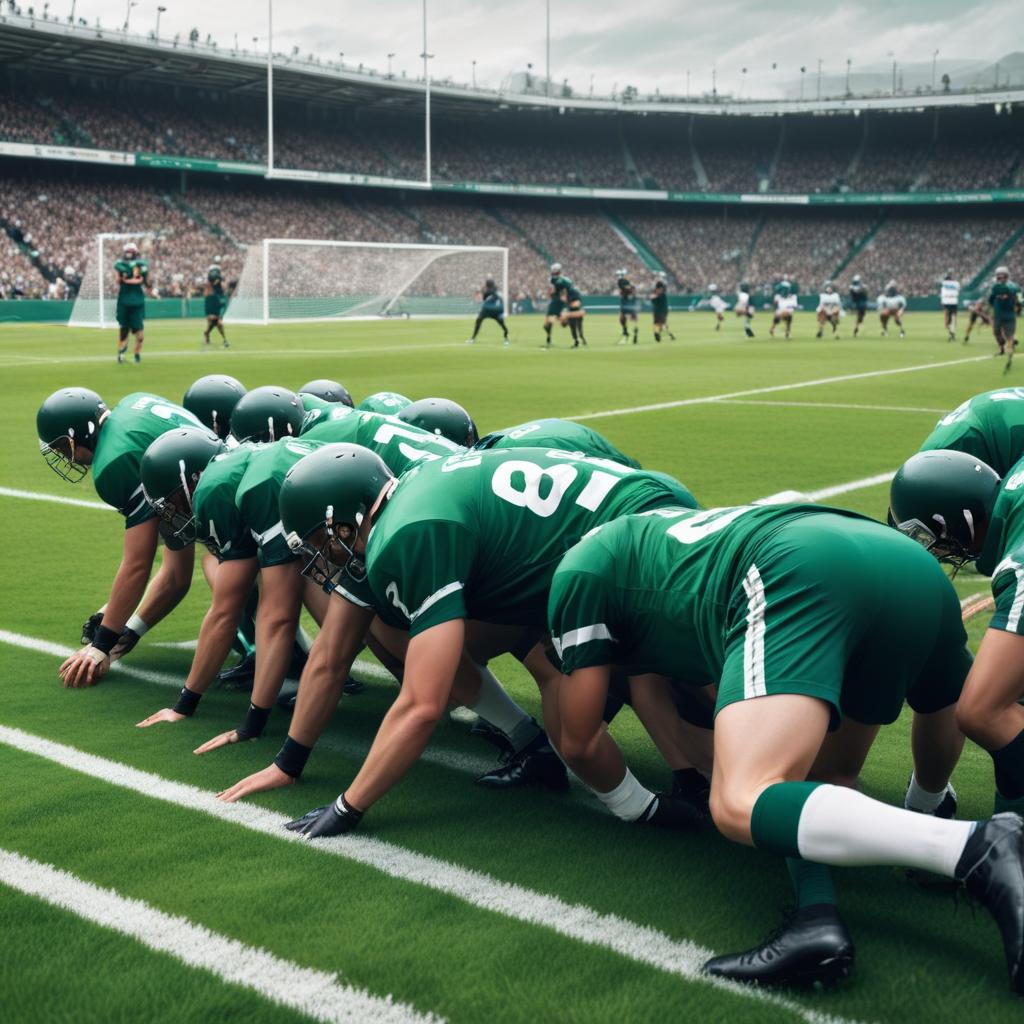
Understanding Low Block Defending
Low block defending is a defensive strategy in football where a team positions most of its players deep in their own half, close to their goal. The primary aim of this tactic is to create a compact, organized defensive structure that limits the opponent’s space and opportunities to penetrate through the middle or inside the penalty area. This approach relies heavily on disciplined defense positioning, where players maintain tight lines and reduce gaps to frustrate attacking teams and force them into making errors or taking low-percentage shots from distance.
The main purpose of low block defending is to protect the goal by congesting the defensive zone in front of the goalkeeper. This tactic aims to minimize the risk of conceding goals by inviting pressure and blocking key channels, making it difficult for the opposing team to find clear chances. Teams using this defensive strategy often focus on numerical superiority in their defensive third, prioritizing defensive solidity over aggressive pressing or high defensive lines.
Teams typically deploy low block defending when they face stronger opponents or want to protect a lead late in the game. It is common in situations where underdog teams need to absorb sustained pressure and limit damage by forcing the opposition to play around a compact defensive block. Additionally, teams may use low block tactics during away matches or in knockout competitions where a solid defense is more crucial than attacking risk.
In summary, low block defending is a strategic choice that emphasizes defensive organization and cautious defense positioning. It is a football tactic designed to frustrate opponents and shield the goal by drawing players into a compact and resilient defensive shape. When properly executed, this approach can effectively reduce the chances an attacking team creates, making it a valuable tool for teams aiming to maintain control under pressure or secure important results.
Key Principles of Low Block Defending
Low block defending relies fundamentally on a few key defensive principles that ensure the team remains solid and difficult to break down. One of the most critical elements is compactness — the defenders and midfielders must stay close together, reducing gaps and spaces for the opposition to exploit. This compact defense limits passing lanes and forces attackers to play in tighter areas, increasing the chances of regaining possession.
Discipline is another cornerstone of a successful low block system. Each player needs to maintain their position carefully, resisting the temptation to press too high or leave their zone. This discipline helps preserve the team’s shape and avoids exposing vulnerable defensive lines, which could otherwise lead to dangerous counterattacks.
Maintaining strong and organized defensive lines is essential. The defensive and midfield lines must stay connected, moving up and down as a unit to close down space effectively. This synchronized movement helps to keep the opposition attackers in front of the defense, making it easier to intercept passes and clear threats. These defensive principles—compact defense, discipline, and maintaining defensive lines—are the backbone of a resilient low block defense.
Advantages and Disadvantages
One of the primary low block advantages in football is its ability to reduce the space available for attackers. By retreating into a compact defensive shape, teams limit the opponents’ options and make it harder for them to penetrate or create clear goal-scoring chances. This approach forces opponents to play around the defense rather than through it, often causing frustration and mistakes. Additionally, a low block can help conserve energy and maintain defensive organization, essential for teams facing technically superior opponents or aiming to protect a lead.
However, there are also notable low block disadvantages. By inviting pressure deep into their own half, teams risk conceding long-range shots, which can be unpredictable and difficult for goalkeepers to handle. Moreover, sitting back for extended periods might allow the opposing team to control possession and build momentum. This defensive posture could also lead to reduced offensive opportunities and place psychological pressure on defenders, who must remain alert and disciplined throughout the game. These football pros cons mean that while the low block can be highly effective, it must be executed with tactical awareness to avoid being exploited.
Techniques and Positioning in Low Block Defending
In football, mastering defensive techniques in a low block system is crucial for teams aiming to protect their goal effectively. A low block focuses on defending deeper in the defensive third of the pitch, requiring players to have excellent positioning, movement, and communication skills to maintain structural integrity and resist attacking pressure.
Player positioning is at the heart of successful low block defending. Defenders stay close together, maintaining a compact shape to minimize gaps for opponents to exploit. This tight positioning forces the attacking team to play around the block rather than directly through it, increasing the likelihood of regaining possession. Usually, the defensive line sits just in front of the penalty area, with midfielders dropping back to create two closely knit lines that work as a single unit.
Movement within the low block is deliberate and coordinated. Players shift laterally and vertically as a unit to cover passing lanes and close potential shooting opportunities. They avoid unnecessary risks by not chasing the ball aggressively but instead maintaining their formation to prevent dangerous spaces from opening. This disciplined movement ensures that defensive lines remain intact, making breaking down the defense challenging for opponents.
Communication plays an essential role in managing the low block’s effectiveness. Defenders constantly talk to each other, providing information about opponents’ positions and alerting teammates to potential threats. Vocal leaders often direct the defensive line’s movements, signaling when to drop deeper or push up slightly to maintain distance from the attackers. Effective communication helps coordinate pressing triggers and ensures each player knows their responsibility in covering specific zones or marking key opponents.
Combining these defensive techniques with strategic player positioning enhances overall football defending skills, allowing teams to mitigate risks and frustrate even the most dynamic attacking sides. The low block remains a fundamental tactic for teams that prioritize defensive solidity and collective discipline, proving that well-executed defensive strategies can be just as valuable as offensive prowess.
Maintaining Defensive Shape
Maintaining a solid defensive shape is essential for effective team organization and to prevent opponents from penetrating the defensive lines. Defenders and midfielders must work in unison, constantly communicating and adjusting their positions to preserve the team’s overall defensive structure. This collective effort creates a compact and disciplined formation that limits the space and passing lanes available to attackers.
Defenders typically hold the backline, staying close enough to support each other but wide enough to cover the entire width of the pitch. Midfielders play a critical role in maintaining defensive shape by tracking opponents, pressing when necessary, and providing an additional layer of protection in front of the defense. Their positioning ensures that gaps are minimized and that attackers find it difficult to break through the lines.
When the ball is on one side of the field, defenders and midfielders shift laterally as a unit, maintaining compactness and ensuring no player is left isolated. This synchronized movement preserves the defensive structure and makes it challenging for opponents to exploit weaknesses. By balancing aggression with discipline, the team can effectively limit penetration, force turnovers, and regain possession with a cohesive defensive shape.
Pressing and Counterattacking Strategies
Low block teams employ pressing tactics with great selectivity, focusing their energy on key moments and areas to maximize their defensive efficiency. Rather than applying constant pressure, they strategically pick moments to press, often targeting opponents in vulnerable positions or when a pass is predictable. This calculated pressing disrupts the opposition’s rhythm, forcing errors and turnovers in dangerous zones close to their own goal.
Once possession is regained, these teams quickly transition into counterattack mode. The low block framework, with most players positioned defensively, allows for fast and organized breaks forward. Players exploit the space left by opponents who have committed numbers in attack, using speed and direct passing to catch the opposition off guard. This rapid transition is key to their overall strategy, turning defensive solidity into offensive opportunity with minimal delay.
Mastering transitions between pressing and counterattacking is essential for low block teams. The ability to switch from a disciplined defensive posture to an aggressive counterattack hinges on coordination and timing. Effective pressing weakens the opponent’s stance, and swift transitions capitalize on this, creating a dual threat that makes the low block a potent defensive strategy with offensive potential.
Training and Drills for Low Block Defending
Improving low block defending requires specific training drills and defensive exercises that focus on coordination, positioning, and team discipline. Football coaching strategies emphasize these aspects to build a resilient defensive structure that can successfully neutralize the opposition’s attacks.
One effective training drill is the “Compact Zone Drill,” where defenders work together to maintain a tight formation. This exercise involves players positioning themselves close to each other, restricting passing lanes and forcing opponents to play wide. Coaches use this drill to develop awareness of spatial coverage and ensure that players communicate effectively to maintain the low block shape.
Another key drill is the “Pressure and Block Drill,” which focuses on defensive timing and synchronized pressing. Defenders practice stepping up to pressure the ball carrier while their teammates cover potential passing outlets. This drill sharpens reactions and reinforces the principle that the low block is not passive but an active form of defending, aiming to regain possession quickly.
“Defensive Shadowing” is also crucial in low block defending training. This exercise entails defenders shadowing attackers without committing to tackles immediately, forcing attackers into less dangerous areas. Defensive exercises like this promote patience and positional discipline, essential for maintaining low block integrity.
Incorporating small-sided games with specific rules that reward low block defensive actions can enhance football coaching programs. For example, teams may be tasked with defending a certain number of attacking moves without conceding a goal, incentivizing collective effort and sharpening defensive coordination.
Lastly, fitness drills tailored to improve anaerobic endurance and quick recovery are vital, as sustaining a compact, low defensive block over the full 90 minutes demands high physical conditioning. Training drills combining defensive posture work with sprint recovery help players maintain intensity throughout matches.
By integrating these training drills and defensive exercises into regular football coaching sessions, teams can enhance their low block defending capabilities, making their defense more organized, disciplined, and difficult to break down.
Team Drills for Compactness and Coordination
Effective team drills are essential for building a compact defense and enhancing defensive coordination. One such drill is the “Close the Gap” exercise, where defenders practice moving in unison to shrink the spaces between them. This drill trains players to maintain tight formations, minimizing exploitable gaps that opponents can attack. By focusing on communication and synchronized movement, the team learns to anticipate each other’s positions and react swiftly.
Another valuable drill is the “Zonal Compactness” exercise. In this drill, defenders are assigned zones and practice shifting together as a single unit to cover threats. The goal is to keep the defensive line compact while adjusting their positions based on the ball’s location. This drill improves the team’s awareness and helps develop intuitive coordination across defensive zones.
Lastly, the “Defensive Relay” drill emphasizes teamwork and quick transitions. Players pass a hypothetical “defensive responsibility” from one teammate to another, simulating situations where defenders cover for each other during pressing or counterattacks. This enhances teamwork by fostering trust and seamless role exchanges. Integrating these team drills into compact defense training boosts both individual and collective defensive skills, creating a resilient and cohesive defensive unit.
Individual Defensive Skills Development
Developing strong individual skills is essential for defenders operating within a low block. Key drills focus on enhancing the defender’s ability to tackle effectively, mark opponents tightly, and maintain optimal positioning. Tackling drills should emphasize timing and technique, helping defenders to dispossess attackers without committing fouls. These exercises can include one-on-one tackling scenarios where defenders practice closing down attackers and applying pressure to win the ball cleanly.
Marking drills are equally vital, training defenders to stay close to opponents and anticipate their movements. Practicing shadow marking and close marking in small-sided games allows defenders to improve concentration and responsiveness. This helps minimize the attackers’ space and limits their options, a crucial aspect of low block defending.
Positioning practice is another crucial element, requiring defenders to understand their role within the defensive shape. Exercises that focus on maintaining the right distance between the defensive line and midfield, as well as ensuring good spatial awareness, are important. Defenders must learn to read the game, predict passes, and shift collectively to protect the goal effectively.
By consistently working on individual skills through tackling drills, marking exercises, and positioning practice, defenders can enhance their overall performance within a low block system, contributing to a solid and disciplined defense.

I have been a dedicated student of the game for as long as I can remember, always looking to uncover the stories behind the stats. My weekends revolve around analyzing tactical shifts and emerging talent across various leagues. I write to share that passion and provide a fresh perspective on the sport I love.