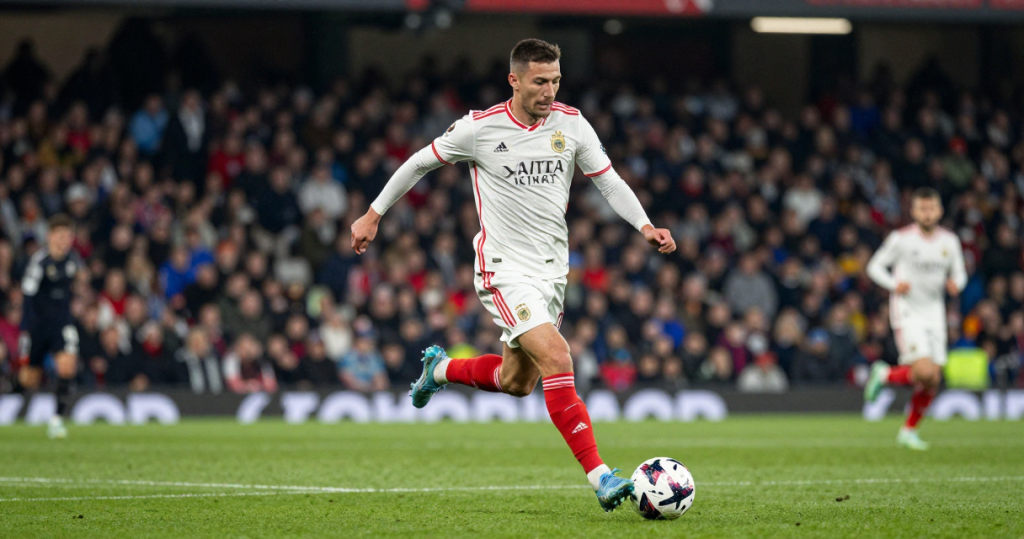
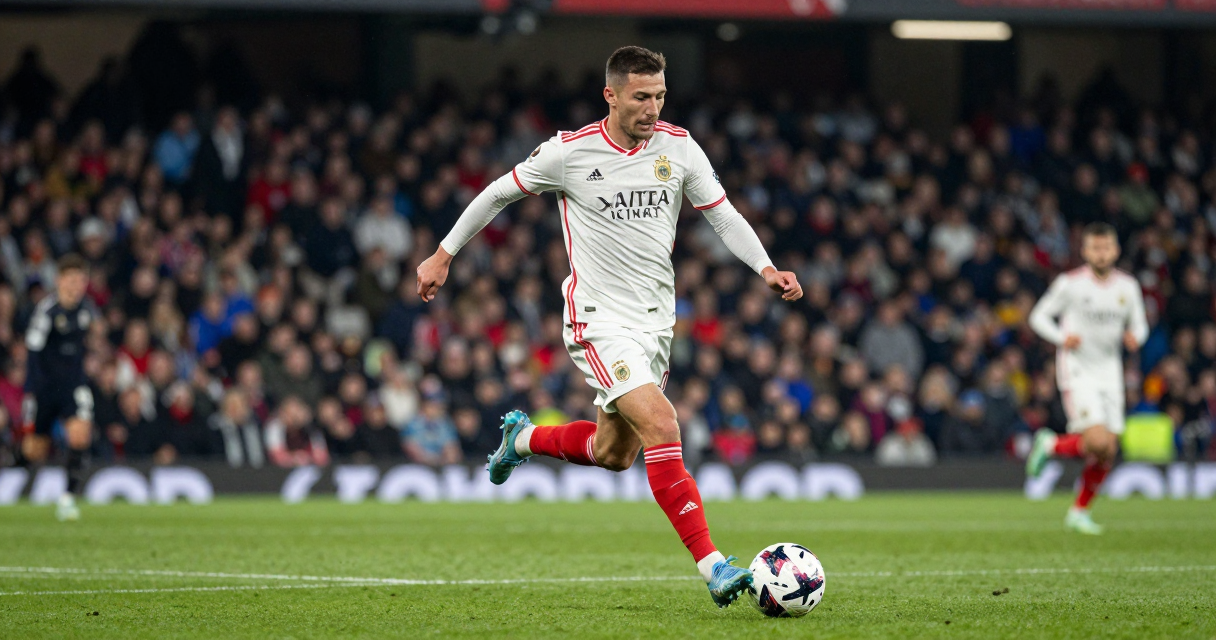
In the world of football, crossing effectiveness is a critical aspect of attacking play that can significantly influence the outcome of matches. A well-executed cross can create goal-scoring opportunities, exploit defensive weaknesses, and ultimately lead to victories. Understanding the mechanics of crossing, the factors that contribute to its success, and how teams can improve their crossing effectiveness is essential for coaches, players, and fans alike. This article delves into various dimensions of crossing effectiveness, including types of crosses, key players, statistical analysis, and strategies for improvement.
Understanding the Types of Crosses
Crossing in football can take many forms, each with its specific purpose and execution technique. The most common types include the driven cross, lofted cross, and cutback cross. A driven cross is typically hit low and hard, aimed at a striker making a run into the box. This type of cross is effective for catching defenders off guard and is often used in fast-paced attacking play. Lofted crosses, on the other hand, are played higher into the air and can be particularly useful for targeting taller players or creating space in crowded areas. Cutback crosses are delivered from near the byline, aimed at players positioned just outside the penalty area, allowing for quick shots on goal.
Each cross type serves a different tactical purpose. For instance, teams may opt for lofted crosses when they have a height advantage in their forward line, while driven crosses could be preferred in situations where the defense is compact and difficult to penetrate. Recognizing these nuances helps teams develop a more versatile attacking strategy, making it harder for opponents to predict their moves.
The Role of Key Players in Crossing
Key players often define a team’s crossing effectiveness. Wingers and full-backs are crucial, as they typically deliver the majority of crosses during a match. Players like Lionel Messi and Trent Alexander-Arnold have exemplified crossing excellence, showcasing the ability to deliver precise balls into the penalty area from various angles. Their technique and vision allow them to assess the positioning of teammates and defenders, facilitating more effective crosses.
Additionally, strikers play a significant role by timing their runs and positioning themselves optimally to meet incoming crosses. Understanding how to complement the crossing abilities of teammates can significantly enhance a team’s overall effectiveness in this area. Coaches often emphasize the importance of communication between these players to ensure that crosses are not wasted and that attacking opportunities are maximized.
Statistical Analysis of Crossing Effectiveness
In modern football, data analysis has become a vital tool for measuring crossing effectiveness. Statistics such as cross completion rate, assists from crosses, and expected goals (xG) derived from crossing situations provide insight into a team’s performance. For instance, a team with a high cross completion rate indicates that they are not only crossing frequently but also doing so successfully, which can lead to more goal-scoring opportunities.

Teams like Manchester City and Liverpool have utilized analytics to refine their crossing strategies, often focusing on maximizing their strongest players’ crossing abilities. By analyzing data, coaches can identify which types of crosses yield the best results and adjust training accordingly. This data-driven approach allows teams to enhance their attacking play and make informed tactical decisions during matches.
Factors Influencing Crossing Effectiveness
Several factors influence the effectiveness of crosses in football. The pitch conditions, the skill level of the player delivering the cross, and the positioning of both attackers and defenders play significant roles. For instance, wet or uneven pitches can affect the accuracy of crosses, making it difficult for players to deliver precise balls. Similarly, the physical attributes of attacking players, such as height and jumping ability, can determine how effective they are at converting crosses into goals.
Defensive organization also impacts crossing effectiveness. A well-drilled defense that maintains proper positioning can neutralize crossing threats, making it essential for attacking teams to devise strategies that exploit gaps in the defense. This could involve using decoy runs or creating overloads in wide areas to draw defenders out of position, thereby increasing the likelihood of successful crosses.
Training Techniques to Improve Crossing
To enhance crossing effectiveness, teams often implement specific training drills that focus on technique and decision-making. One common drill involves setting up cones to simulate defenders and practicing various types of crosses from different angles. This not only helps players refine their technical skills but also trains them to make quick decisions based on the positioning of teammates and defenders.
Another effective training technique is to incorporate crossing scenarios in small-sided games. This allows players to practice crossing under pressure, simulating match conditions. Coaches can emphasize the importance of timing and communication during these drills, ensuring that players understand how to work together to maximize their crossing opportunities during actual matches.
Impact of Modern Tactics on Crossing
Modern football tactics have evolved, impacting how teams approach crossing. The use of formations such as 4-3-3 or 3-5-2 can dictate the frequency and type of crosses a team attempts. For example, teams that utilize wing-backs often focus on delivering crosses as a primary attacking method, while teams with a more centralized formation may rely on through balls and intricate passing rather than crossing.

Additionally, the rise of counter-attacking football has influenced crossing strategies. Teams that play on the break often need to deliver quick, accurate crosses to catch defenses off guard. This requires players to be not only skilled in crossing but also adept at recognizing when to deliver the ball based on the pace of the attack. As tactics continue to evolve, teams must adapt their crossing methodologies to remain competitive.
Evaluating Crossing Effectiveness: Case Studies
Looking at specific case studies of teams known for their crossing effectiveness can provide valuable insights. For instance, during the 2018 World Cup, Croatia’s success was partly due to their effective use of crosses, particularly from players like Ante Rebić and Ivan Perišić. Their ability to whip in accurate balls allowed Croatia to capitalize on set pieces and create goal-scoring chances throughout the tournament.
Another example can be found in the Premier League, where teams like Aston Villa have demonstrated the importance of crossing in their attacking play. With players like Matty Cash providing width and delivering quality crosses, the team has managed to create numerous scoring opportunities, showcasing how effective crossing can be when executed well. Analyzing these case studies can help other teams learn and implement successful crossing strategies in their gameplay.

I have been a dedicated student of the game for as long as I can remember, always looking to uncover the stories behind the stats. My weekends revolve around analyzing tactical shifts and emerging talent across various leagues. I write to share that passion and provide a fresh perspective on the sport I love.