

The modern footballer faces a grueling schedule that demands peak physical condition week after week. The intensity of training sessions and the physical toll of matches create a constant need for effective restoration methods. Understanding how the body repairs itself after the stress of competition is the first step toward designing a routine that supports longevity in the sport. Football recovery techniques have evolved beyond simple rest, incorporating science-driven approaches to address muscle fatigue, joint inflammation, and mental fatigue. A well-structured post-game routine not only speeds up the healing process but also prepares the athlete for the next challenge on the pitch.
Nutrition and Hydration Foundations
The immediate window following a match is critical for replenishing energy stores and initiating tissue repair. Consuming a combination of carbohydrates and protein within the first few hours helps restore glycogen levels and provides the building blocks necessary for muscle recovery. Hydration is equally important, as even mild dehydration can impair cognitive function and slow down the delivery of nutrients to fatigued tissues. Electrolyte balance must be addressed through water and sports drinks to replace minerals lost through sweat during the 90 minutes of play. Prioritizing whole foods over processed options ensures that the body receives the vitamins and minerals needed for optimal metabolic function.
Choosing the right foods can make a significant difference in how quickly a player feels ready for the next training session. Lean proteins such as chicken or fish provide essential amino acids without the heavy fat content that can slow digestion. Complex carbohydrates like sweet potatoes or brown rice offer a steady release of energy to refuel the muscles. Anti-inflammatory foods, including berries, leafy greens, and nuts, can help mitigate the oxidative stress caused by intense physical exertion. A balanced post-match meal supports the body’s natural healing mechanisms and sets the stage for a faster return to full training capacity.
Active Recovery and Movement
While complete rest has its place, engaging in light, active movement can accelerate the removal of metabolic waste products that accumulate during a game. Low-intensity activities such as walking, swimming, or cycling at a gentle pace promote blood flow to the muscles without adding significant stress. This increased circulation helps deliver oxygen and nutrients to damaged tissues while facilitating the removal of lactic acid and other byproducts of exertion. Gentle stretching can also improve flexibility and reduce the feeling of stiffness that often plagues athletes after a demanding match.
Specific football recovery techniques often include mobility drills that target the hips, ankles, and shoulders, areas that endure significant stress during a match. Dynamic movements, rather than static holds, are generally more effective for maintaining range of motion. Incorporating a short routine of leg swings, hip circles, and arm circles can help the body transition from a state of high intensity to a state of recovery. The key is to keep the intensity low enough to avoid further muscle damage while high enough to stimulate the circulatory system and prepare the body for future performance.
Sleep and Restorative Practices
Sleep is perhaps the most powerful tool available for athletic recovery, yet it is often overlooked in the hustle of professional and amateur schedules. During deep sleep, the body releases growth hormone, which is essential for muscle repair and tissue regeneration. Aiming for 7 to 9 hours of quality sleep allows the central nervous system to recover from the mental and physical demands of the game. Establishing a consistent bedtime routine, such as dimming lights and avoiding screens, can improve sleep quality and ensure that the restorative phases of sleep are adequately reached.

Beyond the duration of sleep, the environment plays a crucial role in its effectiveness. A cool, dark, and quiet room minimizes disruptions and helps the body maintain a stable temperature throughout the night. Some players find benefit in techniques such as mindfulness or breathing exercises to quiet the mind before sleep, especially after the adrenaline high of a competition. Prioritizing rest is not a sign of laziness but a strategic component of a training program. Without adequate rest, even the best nutrition and active recovery strategies will be less effective.
Cold and Heat Therapies
The use of temperature-based therapies is a staple in the recovery arsenals of many football clubs and individual athletes. Cold therapy, such as ice baths or cold showers, is often employed in the immediate hours following a match to reduce inflammation and numb sore tissues. The constriction of blood vessels caused by cold can help limit swelling and provide a numbing effect that alleviates pain. Many athletes find that a brief exposure to cold water can make the transition to the following days more comfortable, especially after a physically taxing encounter.
Contrast therapy, which alternates between hot and cold applications, is another approach used to stimulate blood flow and enhance recovery. The alternating temperatures create a pumping action in the circulatory system, which can help flush out metabolic waste and bring fresh, oxygenated blood to the muscles. Heat therapy, such as warm baths or heating pads, is often more beneficial in the days following a game when the acute inflammation has subsided. Heat helps relax tight muscles and can improve flexibility, making it a good choice for later stages of the recovery timeline. Understanding when to apply cold versus heat is a key aspect of effective football recovery techniques.
Massage and Manual Therapy
Professional massage is frequently used to address muscle tension and improve the overall quality of tissue recovery. Sports massage techniques can target specific muscle groups that were heavily engaged during a match, helping to break up adhesions and improve blood flow. The manipulation of soft tissues can reduce the feeling of muscle tightness and promote a sense of relaxation, which is beneficial for both the body and mind. Regular sessions with a qualified therapist can help identify areas of chronic tension before they develop into injuries.
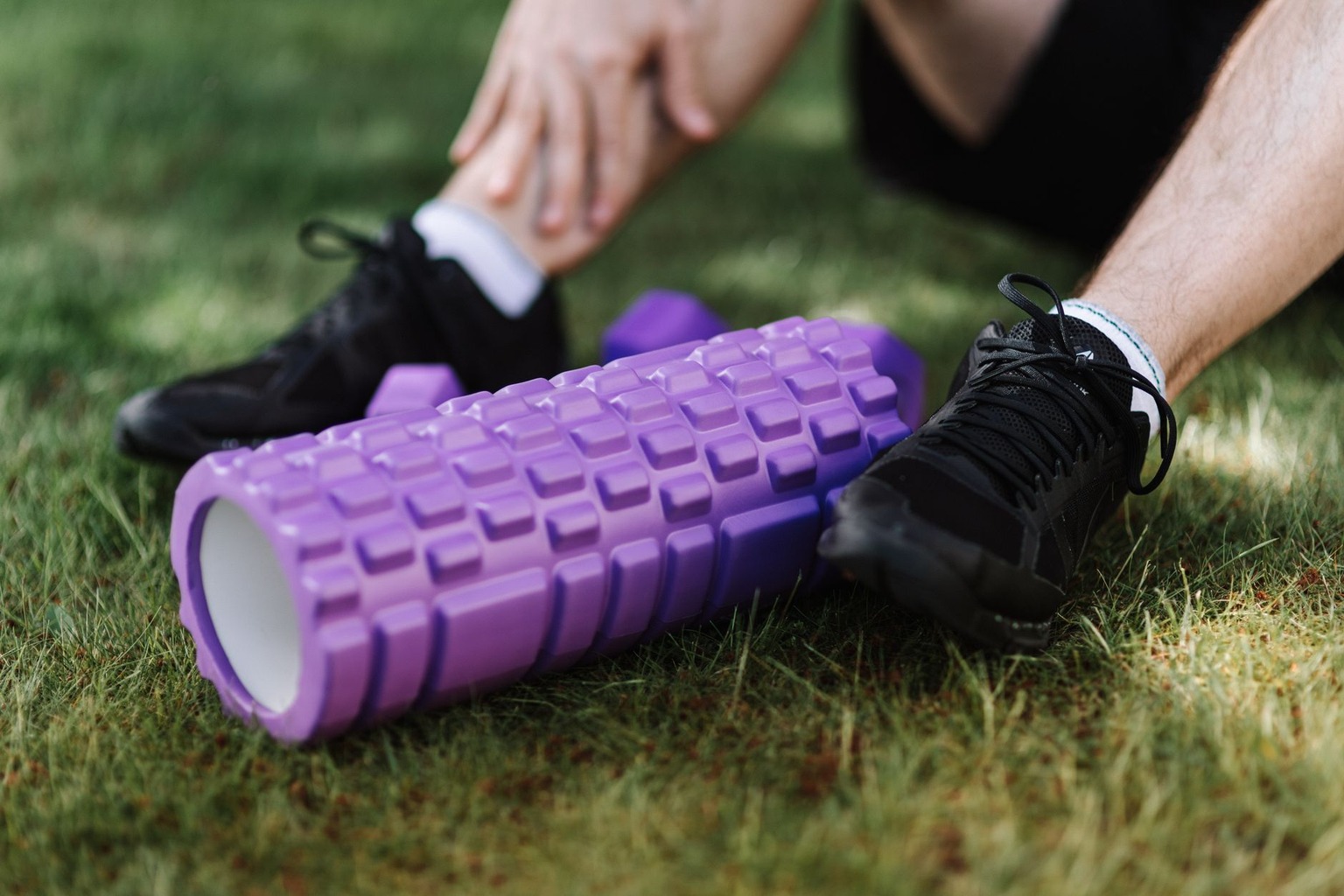
Self-myofascial release using tools such as foam rollers or massage balls is a practical alternative for players who may not have immediate access to a professional therapist. These tools allow athletes to apply pressure to specific areas, such as the calves, IT bands, or glutes, to alleviate tension. While self-massage may not reach the depth of a professional treatment, it provides a convenient way to maintain tissue quality on a daily basis. Incorporating these practices into a regular routine supports the overall goals of football recovery techniques and helps players maintain a higher level of physical readiness.
Mental Recovery and Stress Management
The psychological aspect of recovery is just as important as the physical side, as the stress of competition can linger long after the final whistle. Mental fatigue can affect decision-making, focus, and motivation during subsequent training sessions. Techniques such as meditation, visualization, or simply taking time away from the sport can help reset the mental state. Acknowledging the mental toll of the game and addressing it through rest or hobbies outside of football is essential for long-term well-being.
Managing stress hormones, such as cortisol, which can remain elevated after a high-stakes match, is crucial for overall health. High levels of cortisol can interfere with sleep quality and muscle repair if not properly managed. Engaging in relaxing activities, spending time in nature, or practicing deep breathing exercises can help lower these levels. A holistic approach to football recovery techniques recognizes that a player who is mentally refreshed is more likely to perform well and stay injury-free. Balancing the physical grind with mental rejuvenation creates a sustainable path for any footballer.

I have been a dedicated student of the game for as long as I can remember, always looking to uncover the stories behind the stats. My weekends revolve around analyzing tactical shifts and emerging talent across various leagues. I write to share that passion and provide a fresh perspective on the sport I love.