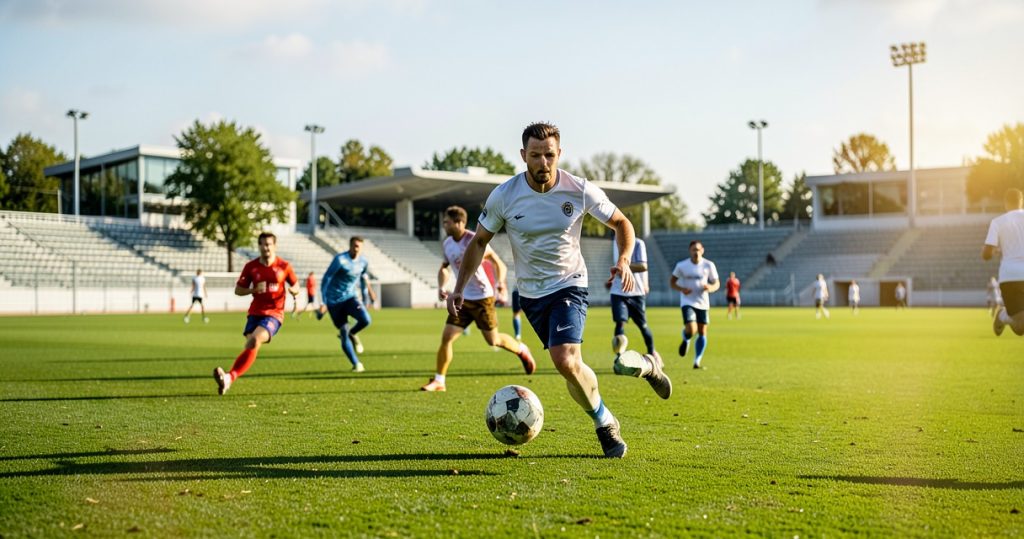
In modern football, the concept of rest defense has become increasingly significant as teams seek to balance offensive ambitions with defensive responsibilities. Rest defense refers to the strategies and structures teams employ to maintain their defensive shape and prevent counter-attacks when possession is lost. Understanding these concepts is crucial for coaches, players, and analysts as they navigate the complexities of the game. This article delves into various aspects of rest defense, including its importance, key principles, and tactical implementations.
The Importance of Rest Defense in Football
Rest defense plays a pivotal role in a team’s overall performance, especially in high-stakes matches. When a team loses possession, the immediate response can dictate the outcome of the game. Effective rest defense minimizes the risk of conceding goals during transitional phases, where the opposition can exploit disorganization. Teams that prioritize rest defense often find themselves better positioned to recover swiftly and maintain control of the match. This emphasis on defensive readiness can also foster a culture of discipline and tactical awareness among players, enhancing their ability to respond to various game situations.
Moreover, rest defense impacts a team’s attacking strategy. By ensuring that players are positioned to defend against counter-attacks, teams can commit more players forward during offensive phases without compromising their defensive integrity. This duality allows for a more fluid style of play, where teams can transition seamlessly between attacking and defending. In essence, a well-structured rest defense not only protects the goal but also enhances overall team performance and cohesion.
Key Principles of Effective Rest Defense
Several principles underpin effective rest defense, each contributing to a team’s ability to maintain shape and organization after losing possession. One fundamental principle is the idea of compactness. When possession is lost, players should immediately move closer together to limit the space available for the opposition. This compactness makes it challenging for the attacking team to exploit gaps, forcing them to either play sideways or backward, which can disrupt their rhythm.
Another crucial principle is the concept of anticipation. Players must be trained to read the game and anticipate potential threats as soon as possession is lost. This involves recognizing key players in the opposition who are likely to receive the ball and positioning themselves accordingly. Teams that excel in anticipation can intercept passes and regain possession more effectively, reducing the time spent in a vulnerable defensive state.
Tactical Implementations of Rest Defense
Implementing rest defense tactics requires a clear understanding of roles and responsibilities among players. One effective approach is the use of a zonal marking system, where players are assigned specific areas to defend rather than specific opponents. This system allows for greater flexibility and adaptability, as players can shift to cover spaces that the opposition may exploit. Zonal marking is particularly effective in preventing quick counter-attacks, as it ensures that players are already positioned to respond to threats.
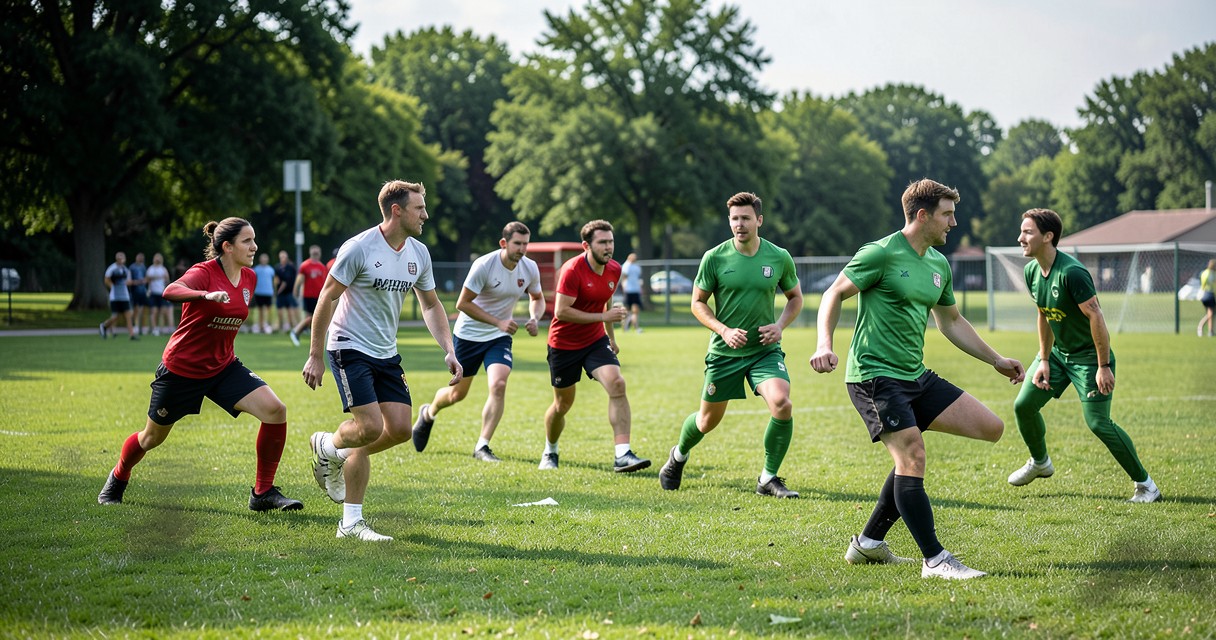
Another tactical implementation is the use of a “press and retreat” strategy. When possession is lost, players initially apply pressure on the ball carrier to delay the attack. However, as the ball moves, they retreat to their defensive positions to maintain shape. This approach balances aggression with caution, allowing teams to disrupt the opponent’s attack while remaining organized. Teams like Liverpool and Manchester City have successfully utilized variations of this strategy, demonstrating its effectiveness in high-level football.
Rest Defense and Player Roles
Effective rest defense relies heavily on the individual roles of players within the team structure. Defenders, particularly center-backs, must be adept at reading the game and positioning themselves to intercept passes or block shots. Full-backs also play a vital role, as they need to quickly transition from offensive support to defensive coverage when possession is lost. Their ability to track wingers and cover overlapping runs is crucial in maintaining defensive integrity.
Midfielders serve as the link between defense and attack, and their role in rest defense is essential. They must be vigilant and ready to drop back into defensive positions, while also being prepared to initiate counter-attacks when possession is regained. Forwards, often seen as purely attacking players, also have responsibilities in rest defense. Their ability to press defenders and force mistakes can create opportunities for their team to win the ball back high up the pitch, making their contribution invaluable.
Training for Rest Defense
Training sessions aimed at improving rest defense should focus on specific drills that simulate game scenarios. One effective drill involves creating small-sided games where teams must practice transitioning from offense to defense quickly. This not only enhances players’ physical conditioning but also develops their tactical awareness and decision-making skills. Coaches should emphasize communication during these drills, as effective verbal cues can significantly improve a team’s coordination during transitions.
Additionally, video analysis plays a crucial role in training for rest defense. By reviewing match footage, coaches can identify patterns and moments where rest defense was either successful or lacking. This analysis allows players to learn from their mistakes and understand the importance of positioning and anticipation in preventing goals. Regular feedback and discussions can further enhance players’ understanding of their roles in rest defense, fostering a culture of continuous improvement.
Rest Defense in Various Formations
The effectiveness of rest defense can vary significantly depending on the formation a team employs. For instance, a 4-3-3 formation often requires the front three to engage in pressing, which can create vulnerabilities if they fail to track back quickly. In contrast, a 4-2-3-1 formation offers more stability, as the two holding midfielders can provide cover for the back four, ensuring that the team remains organized even when possession is lost.

Teams that utilize a three-man defense, such as a 3-5-2 formation, must be particularly disciplined in their rest defense. The wing-backs play a dual role, needing to support the attack while also being prepared to drop back into a defensive position. This formation relies heavily on communication and understanding among players to ensure that gaps are covered and that the team remains compact when defending against counter-attacks.
Challenges in Implementing Rest Defense
Despite its importance, implementing effective rest defense can present challenges for teams. One significant hurdle is the difficulty in maintaining focus and discipline during high-tempo matches. Players may become fatigued or lose concentration, leading to lapses in defensive organization. To combat this, coaches must instill a strong sense of accountability and teamwork, ensuring that players understand their roles and the collective responsibility for defending.
Another challenge is the evolving nature of attacking tactics in football. Opponents are continually developing new strategies to exploit defensive weaknesses, making it essential for teams to adapt their rest defense accordingly. This requires ongoing tactical training and flexibility in game plans. Coaches must remain vigilant in their analysis of both their own team’s performance and that of their opponents, adjusting their approach to rest defense as needed to stay competitive.

I have been a dedicated student of the game for as long as I can remember, always looking to uncover the stories behind the stats. My weekends revolve around analyzing tactical shifts and emerging talent across various leagues. I write to share that passion and provide a fresh perspective on the sport I love.