Defensive midfield roles define the structural backbone of modern football, yet most players and coaches still treat the position as a simple gap-filler between defense and attack. The reality is far more complex, demanding a specific blend of positional intelligence, ball retention under pressure, and tactical flexibility that varies by formation. A player operating in this zone often covers 10 to 12 kilometers per match, but distance run is a misleading metric if it does not account for the high-intensity transitions that define success. Understanding these nuances allows you to identify which players genuinely fit the mold and how to drill the necessary skills effectively. This guide breaks down the practical steps for mastering defensive midfield duties, from reading the game to executing precise passing lanes.
Assessing the Tactical Framework
Before drilling any specific skill, you must understand where the defensive midfielder sits within the team’s overall shape. In a 4-3-3 system, this player often forms a triangle with two central midfielders, requiring them to drop deep and collect from the center-backs. In a 4-2-3-1 setup, they may partner with another holding midfielder, creating a double pivot that dictates the tempo of play. The positioning changes drastically if the team employs a back three, where the defensive midfielder might operate as a solo No. 6 or part of a midfield four. Knowing your exact coordinates on the pitch is the first step in preventing positional errors during live play.
Communication with the center-backs and full-backs is equally critical to establishing this framework. You need to constantly ask for the ball or signal when you are open, ensuring the defensive line knows where to recycle possession. If the opposing team presses high, your positioning must shift closer to your own penalty area to create passing options out of the back. Many young players fail here because they wait for the ball instead of proactively finding space, which disrupts the entire defensive structure. Mastering this pre-game mental setup saves time and confusion during the actual match.
It is also essential to review recent match footage to see how top teams utilize these roles in high-pressure situations. Watch how players like Rodri or Declan Rice adjust their positioning when their team is out of possession versus when they have the ball. Notice the subtle shifts in body orientation and the timing of their movement into open pockets of space. This visual analysis builds a mental map that you can replicate in your own training sessions, ensuring your tactical understanding matches professional standards.
Mastering Positional Discipline
Positional discipline in the defensive midfield role means staying between the lines of attack and defense without drifting into either zone permanently. You must maintain a central position that allows you to cover both flanks, often rotating slightly based on where the ball is located. If the play moves to the left wing, you should drift left to narrow the passing lanes for the opposing winger. This lateral movement compresses the pitch, making it harder for the opposition to switch play or find space in the final third.
A common mistake is chasing the ball out of your zone, which leaves a dangerous gap between you and the center-backs. Instead, use your body to shield the ball while waiting for a teammate to arrive, or quickly release possession back to a safer option. This restraint is counterintuitive for players accustomed to running forward, but it preserves the team’s defensive integrity. Drills that involve maintaining shape while a partner attacks from different angles help ingrain this discipline over time.
Timing your forward runs is another layer of positional complexity that separates good defenders from great ones. You should only push into midfield when a teammate has already made a run or when the ball is in a safe, central area. Rushing forward without support invites turnovers and exposes the back line to counter-attacks. Practicing this patience in small-sided games where you are penalized for leaving your zone helps build the necessary instinct for disciplined movement.
Developing Passing Accuracy Under Pressure
Passing under pressure is the core technical skill that defines a successful defensive midfielder, as you often receive the ball with opponents closing down from multiple angles. Focus on using both feet to make quick, short passes to center-backs or full-backs who are moving into space. The key is to scan the field before receiving the ball, keeping your head up and identifying at least two passing options before the opponent arrives. This pre-reception scanning reduces decision time and increases the accuracy of your first touch.
On the ForPro channel, they cover how defensive midfielders should play, and you can watch it right here.
Incorporate passing drills that simulate game-like pressure by using cones or markers to restrict space around you. Have a partner press you within five meters while you attempt to play through the lines or recycle possession. The goal is not just to complete the pass, but to make it with the right weight and into the receiver’s feet, not their head. Repetition in these constrained environments builds muscle memory that translates directly to match situations.
Long-range passing is another vital component, allowing you to switch play and bypass the opposition’s midfield press. Work on your ability to deliver accurate diagonals to wingers or full-backs who are stretching the pitch. This skill opens up new attacking avenues and prevents the team from becoming predictable in buildup play. Practicing these longer balls with a target zone in mind helps you develop the touch and vision needed for effective transitions.
Reading the Game and Anticipating Moves
Anticipation is the difference between reacting to an attack and preventing it before it starts. You must read the body language of opposing players, looking at their foot placement and hip direction to predict where they will go next. If a winger turns their body away from you, they are likely to drive forward; if they face you, they may be looking to pass. Catching these cues early allows you to step in at the right moment, cutting off passing lanes without committing to a full tackle.
Studying match situations where defensive midfielders made key interceptions provides valuable lessons in anticipation. Pay attention to how they position themselves relative to the ball carrier and their teammates, often staying slightly behind the action to cover multiple options. This passive positioning is more effective than aggressive pressing, which can be bypassed by skilled players. Building this awareness requires consistent video analysis and mental rehearsal of different game scenarios.
Decision-making speed is directly linked to your ability to read the game, so train yourself to process information quickly under fatigue. As the match progresses, your cognitive resources will decline, making it harder to pick up subtle cues from opponents. Keeping a high level of focus throughout the 90 minutes is a mental skill that can be developed through concentration drills and mindfulness practices. A sharp mind in the defensive midfield role is just as important as a strong pair of legs.
Executing Tactical Tackles and Duels
Tactical tackling in the defensive midfield zone requires timing rather than brute force, as you are often covering more ground than other players. Wait for the opponent to commit to their next move before stepping in, using your body to shield the ball while keeping your balance. A well-timed block or interception is far safer than a sliding tackle, which can result in a foul or a lost possession. Focus on staying on your feet and using your legs to create space between yourself and the ball carrier.
Duels in this position often involve one-on-one battles where you must win the ball without committing a foul. Use your shoulders to drive past the opponent and maintain your body position, shielding the ball from their reach. This physical engagement is crucial for retaining possession in tight spaces, especially when the team is under pressure. Drills that focus on 1v1 scenarios with a focus on body positioning help you develop the confidence needed to win these duels consistently.
Recovering the ball after a lost possession is another critical aspect of this role, requiring quick transitions from attack to defense. If you lose the ball in midfield, you must immediately close down the passer or the next option to prevent a counter-attack. This reactive effort is what separates a competent defensive midfielder from an elite one, as it minimizes the damage from turnovers. Practicing these recovery runs in training ensures you are physically prepared for the demands of the role.
Managing Stamina and Mental Focus
Stamina is not just about running distance; it is about maintaining high-intensity efforts throughout the match without losing focus. Defensive midfielders often have to sprint repeatedly to cover space, which can lead to fatigue in the final 20 minutes of a game. To combat this, incorporate interval training into your routine that mimics the stop-start nature of football, focusing on short bursts of speed followed by active recovery. This type of conditioning helps you sustain performance levels when others start to slow down.
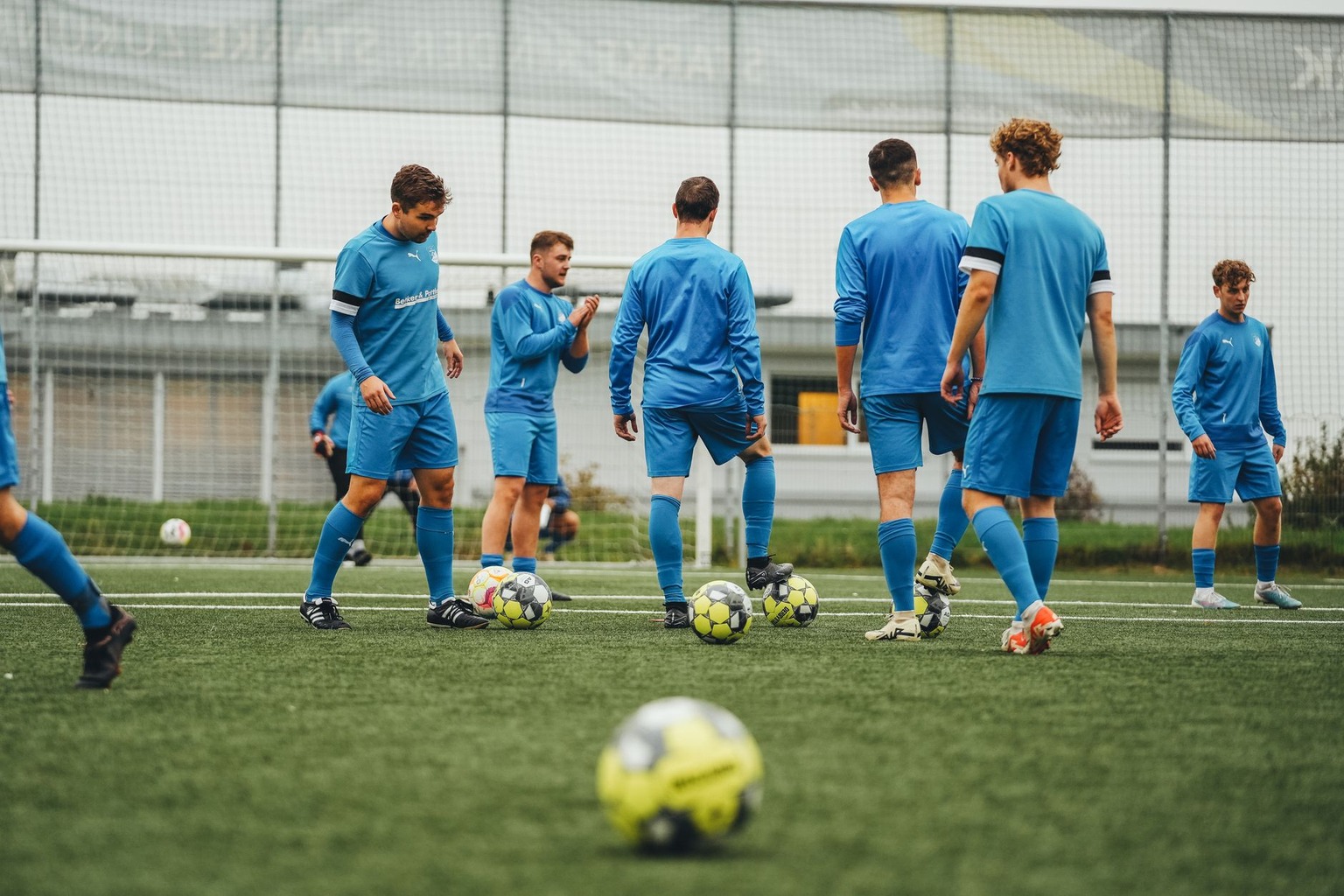
Mental focus is equally important, as a lapse in concentration can lead to a costly turnover or defensive error. Stay engaged in the game even when your team has the ball, maintaining your shape and communication with teammates. Avoid getting distracted by crowd noise or individual incidents, staying locked in on the tactical objectives of the match. Developing pre-match routines that help you settle your mind can improve your focus and decision-making throughout the 90 minutes.
Recovery between matches is a key part of managing both physical and mental demands, ensuring you are fresh for the next challenge. Prioritize sleep, nutrition, and active recovery methods like stretching or swimming to reduce muscle soreness and mental fatigue. Listening to your body and adjusting your training load when needed prevents burnout and keeps you at peak performance. Consistency in these habits is what allows you to sustain a high level of play over an entire season.
Avoiding Common Positional Errors
One frequent error is drifting too far forward into the attacking third, leaving the midfield exposed to counter-attacks. This happens when players get excited by the prospect of scoring or assisting, forgetting their primary defensive responsibilities. Stay disciplined in your positioning, only pushing up when the team has a clear numerical advantage or a safe passing option available. Maintaining your shape ensures that the team can quickly transition back to defense if possession is lost.
Another common mistake is poor communication with teammates, leading to double-coverage or gaps in the defensive line. Constantly talk to your center-backs and full-backs about where the ball is and who you are marking, ensuring everyone is on the same page. Silence in this zone creates confusion and allows opponents to exploit spaces that should be covered. Building strong verbal habits with your teammates reduces the likelihood of these errors occurring during high-pressure moments.
Over-committing to a tackle or pressing action can also leave you out of position, giving the opponent an easy route into the box. Be selective in your pressing, focusing on high-value targets and avoiding unnecessary risks in dangerous areas. Patience and discipline in your defensive actions will yield better results than aggressive but poorly timed challenges. Learning from these mistakes through video review and targeted training helps you refine your approach to the role.

I have been a dedicated student of the game for as long as I can remember, always looking to uncover the stories behind the stats. My weekends revolve around analyzing tactical shifts and emerging talent across various leagues. I write to share that passion and provide a fresh perspective on the sport I love.