
Box-to-box midfielders face immense physical demands, making fatigue management essential for success. These players don’t just operate in the center of the pitch, they dictate the tempo, control the midfield, and bridge the gap between defense and attack with relentless energy. Unlike traditional holding midfielders or wide playmakers, box-to-box midfielders thrive in high-intensity environments, where their ability to recover tackles, launch counterattacks, and dominate duels separates them from the rest. But mastering this role isn’t just about raw athleticism; it requires precise positioning, intelligent decision-making, and an understanding of when to press, when to retreat, and when to exploit space. For coaches looking to build a midfield that dictates games, and for players aiming to develop this versatile profile, the path is clear but challenging. Understanding Football analytics can transform your approach to the game — here’s how to start systematically.
Understanding the Box-to-Box Profile: What Makes Them Tick
A box-to-box midfielder isn’t a one-dimensional player, they’re a hybrid of a defensive midfielder and an attacking midfielder, with the physicality of a center-back and the creativity of a winger. Their primary function is to cover ground, whether it’s tracking back to help in defensive transitions or surging forward to create chances. The best examples, like N’Golo Kanté or Kevin De Bruyne, average between 12 and 15 miles per game, a distance that demands exceptional stamina and recovery. Their positioning is equally critical; they must sit deep enough to shield the defense but close enough to the action to intercept passes or launch attacks. This duality means they often operate in a 4-2-3-1 or 4-3-3 formation, where they can drop into a double pivot when needed or step forward as a false nine when the ball is in defense. Without this balance of defensive solidity and offensive threat, the midfield becomes predictable, and opponents will exploit the gaps.
The cognitive demands of the role are just as high as the physical ones. Box-to-box midfielders must read the game at a split second, deciding whether to press a full-back pushing high or to stay compact to prevent a through ball. In long ball football, midfielders prioritize precise through balls over dribbling — here’s why. Players like Sergio Busquets or Casemiro excel because they combine this tactical awareness with the ability to make one-twos or deliver pinpoint crosses when the moment arises. The mistake many coaches make is treating box-to-box midfielders as generic midfielders, without the right technical and tactical training, they’ll struggle to adapt to the role’s fluid nature. The key is to treat them as specialized players, not just fillers in the midfield.
Step 1: Physical Preparation, The Foundation of the Role
Before a player can think about their passing or positioning, they need the physical tools to sustain the demands of the role. Box-to-box midfielders cover more ground than any other position on the pitch, often running 10 to 15 miles per game, with sprints reaching up to 25 mph during transitions. This requires a combination of aerobic endurance, explosive speed, and recovery strength. Most elite box-to-box midfielders have a VO2 max of 60 or higher, meaning they can maintain high-intensity efforts for extended periods without fatigue. To build this, players should focus on interval training, sprints of 30 to 45 seconds followed by 90-second jogs, repeated for 20 to 30 minutes. Strength training isn’t just about bulk; it’s about functional power, particularly in the core and lower body, to absorb tackles and accelerate quickly. Many players also incorporate plyometrics to improve their first-step quickness, which is crucial when breaking up plays.
A common mistake is prioritizing endurance over agility, leading to players who are tireless but slow to react. The best box-to-box midfielders, like Toni Kroos or Rodri, combine endurance with sharp directional changes and lateral movement. This is why drills that mimic in-game scenarios, such as shadowing a winger or reacting to a through ball, are more effective than isolated sprints. Nutrition and recovery also play a role; players should aim for a diet rich in lean proteins, complex carbs, and anti-inflammatory foods to reduce soreness and speed up recovery. Without this physical foundation, even the most technically gifted midfielder will struggle to perform consistently in the final third of games.
Step 2: Defensive Mastery, Turning Midfielders into Defensive Anchors
While box-to-box midfielders are often associated with attacking prowess, their defensive contributions are what make them indispensable. The best in the role, like Sergio Busquets or Virgil van Dijk (when playing as a midfielder), average 4 to 6 successful tackles and 2 to 3 interceptions per game. This defensive solidity isn’t just about physicality, it’s about intelligent positioning and timing. A box-to-box midfielder must be able to drop into a double pivot when the ball is in defense, shielding the backline from high balls and through passes. This requires spatial awareness; players must anticipate where the ball will go and position themselves accordingly, whether that means closing down a winger or tracking a center-back’s run. The 3-5-2 formation is a powerful setup, but how does it compare to the 4-2-3? Here’s a breakdown.
On Football Protocol they break down key Football tactics for dominating as a center midfielder — check it out here.
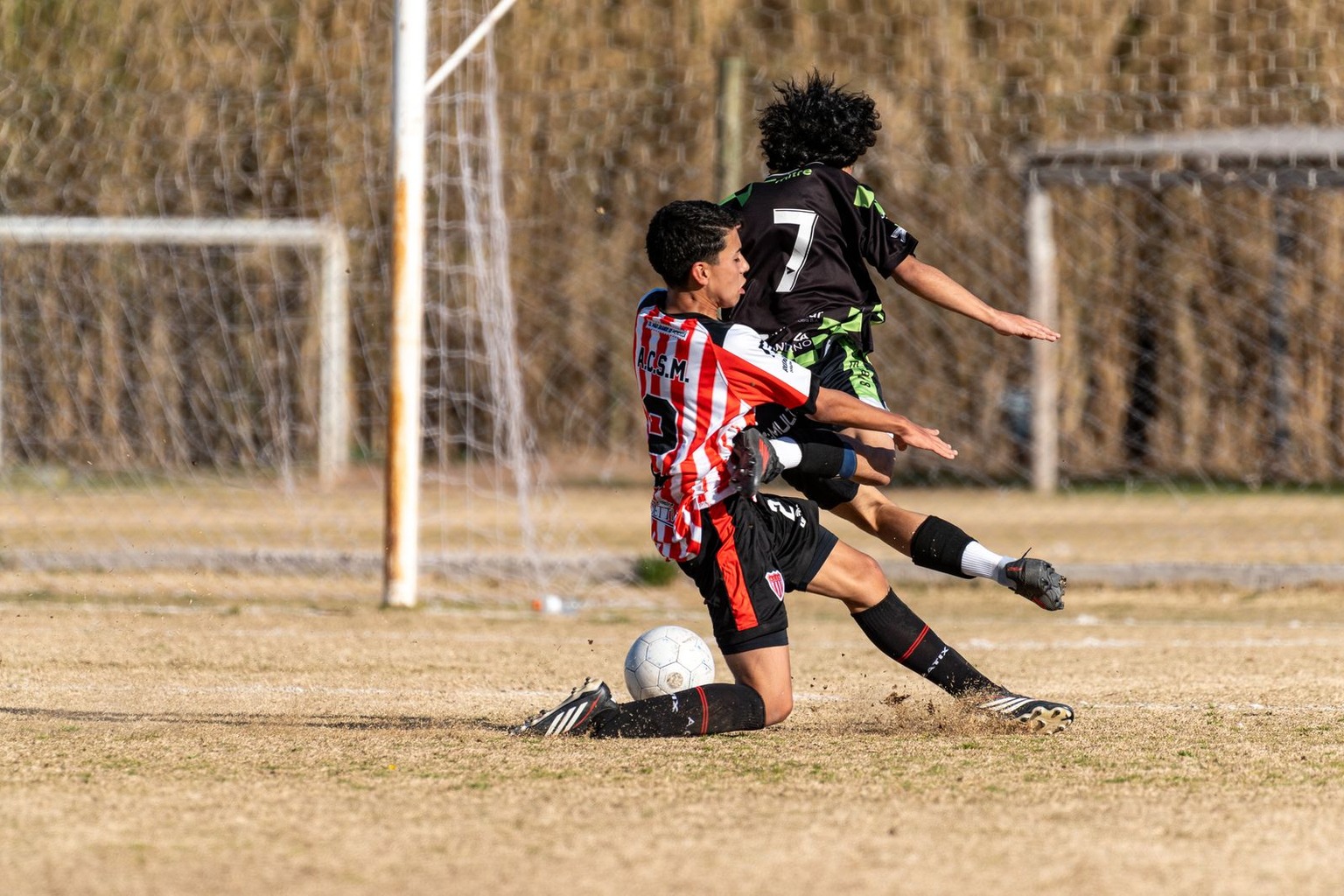
The defensive work of box-to-box midfielders is crucial — here’s why it’s both reactive and proactive. They must press opponents out of possession, forcing mistakes that lead to quick counterattacks. Players like N’Golo Kanté excel in this area because they combine relentless pressing with the ability to read the game. A common mistake is overcommitting to pressing, which leaves space for counterattacks. The solution is to press in zones rather than individuals, focusing on the player with the ball while maintaining a defensive line. Drills like 1v1 pressing duels and defensive transition exercises help players develop this instinct. Without strong defensive fundamentals, the midfield becomes vulnerable, and opponents will exploit the gaps with ease.
Step 3: Offensive Execution, Turning Midfield into a Threat
The offensive side of the box-to-box role is where the magic happens, but it’s often misunderstood. These players aren’t just about dribbling past defenders, they’re about creating space, making runs, and delivering accurate passes. The best examples, like Kevin De Bruyne or Franck Ribéry (when playing centrally), average 2 to 3 key passes and 1 to 2 goals per game. Their offensive contributions come from two key areas: ball progression and goal-scoring opportunities. Box-to-box midfielders must be able to break defensive lines with quick, one-touch passes or through balls, often exploiting the space behind the opposing full-backs. This requires a mix of vision, technique, and timing. Players like Busquets, for instance, might not be the most dynamic dribbler, but his ability to find the right pass at the right time makes him a constant threat.
Another critical aspect is movement. Box-to-box midfielders must know when to drop deep to receive the ball and when to surge forward to support an attacker. This is where the role’s versatility shines, players like Rodri and Casemiro can switch between defensive and offensive roles seamlessly. A common mistake is being too predictable in movement, which gives defenders time to react. The solution is to vary runs: sometimes dropping into half-spaces, sometimes making diagonal runs to stretch the defense. Drills like 1v1 duels with a target player and small-sided games under pressure help players develop this instinct. Without this offensive flair, the midfield becomes a static unit, and the team’s attacking options are limited.
Step 4: Tactical Intelligence, Reading the Game Like a Chess Grandmaster
Physical and technical skills are essential, but the true differentiator for box-to-box midfielders is their tactical intelligence. The best in the role, like Xavi Hernández or Andrés Iniesta, don’t just play, they control the tempo of the game. They understand when to press, when to retreat, and when to exploit space. This requires a deep understanding of formations, opponent tendencies, and positional play. For example, in a 4-3-3, a box-to-box midfielder might drop into a double pivot to prevent through balls while the wingers push high, creating a false nine effect. In a 4-2-3-1, they might sit deeper to shield the defense but still be ready to step forward to support a lone striker. The ability to adjust to different formations and opponent strategies is what separates good midfielders from great ones.
The tactical awareness of a box-to-box midfielder extends beyond their own positioning. They must also understand how to support teammates, whether that means making a one-two with a winger or dropping a deep pass to a striker. Players like Toni Kroos excel because they can read the game in advance, anticipating where the ball will go before it arrives. A common mistake is being too rigid in positioning, which can leave gaps for opponents to exploit. The solution is to be adaptable, sometimes sitting deeper to protect the defense, sometimes pushing forward to create chances. Drills like positional play exercises and video analysis help players develop this tactical understanding. Without it, even the most physically gifted midfielder will struggle to perform at the highest level.
Step 5: Mental Toughness, The Unseen Battle of the Midfield
Box-to-box midfielders face more physical contact and higher pressure than any other position on the pitch. This requires not just physical resilience but mental toughness. The best in the role, like N’Golo Kanté or Sergio Busquets, are known for their ability to stay composed under pressure, whether it’s after a missed tackle or a missed pass. Their mental strength allows them to recover quickly and maintain focus, even in the most intense moments of a game. This is why many coaches value character over pure talent when selecting box-to-box midfielders. Players must be able to handle criticism, stay disciplined, and perform under fatigue. Mental training, such as visualization and mindfulness exercises, can help players develop this resilience.

A common mistake is letting frustration affect performance, leading to rushed decisions or unnecessary fouls. The solution is to stay calm and focused, trusting in the team’s systems. Players like Rodri and Casemiro are known for their professionalism, even in high-pressure situations. This mental toughness is what allows them to perform consistently, game after game. Without it, even the most physically and technically gifted midfielder will struggle to maintain their edge. Coaches should incorporate mental training into their programs, teaching players how to stay composed and focused, no matter the circumstances.
Step 6: Formational Flexibility, Adapting to Different Systems
Box-to-box midfielders aren’t limited to a single formation, they can thrive in a variety of setups, from traditional 4-4-2 to modern 4-3-3 or 3-5-2. Their versatility allows them to adapt to different tactical approaches, whether it’s a high-pressing system or a more possession-based one. In a 4-4-2, they might operate as a classic midfield duo, while in a 4-3-3, they could sit deeper to support a lone striker. The key is to understand how the formation affects their role. For example, in a 3-5-2, the box-to-box midfielder might have more freedom to roam, while in a 4-2-3-1, they might need to be more disciplined in their positioning. This adaptability is what makes them so valuable to modern teams.
The ability to adjust to different formations also requires communication and trust with teammates. Players must understand their role within the system and how it complements the other players. For example, in a 4-3-3, the box-to-box midfielder might need to work closely with the wingers to create overloads, while in a 4-2-3-1, they might need to support the lone striker with deep lying passes. A common mistake is being too rigid in their positioning, which can disrupt the team’s flow. The solution is to be flexible and communicate clearly with teammates, ensuring everyone is on the same page. Drills like formation-specific small-sided games help players develop this adaptability. Without it, the midfield becomes predictable, and opponents will exploit the gaps.

I have been a dedicated student of the game for as long as I can remember, always looking to uncover the stories behind the stats. My weekends revolve around analyzing tactical shifts and emerging talent across various leagues. I write to share that passion and provide a fresh perspective on the sport I love.