Goalkeeper distribution has become a decisive factor in modern football, shaping the tempo of attacks and the stability of defense. A keeper who can reliably move the ball with both feet, launch accurate long balls, and make quick decisions adds a layer of unpredictability that many coaches value. This guide walks you through the essential preparation, step‑by‑step drills, and mental cues that turn a traditional shot‑stopper into a genuine playmaker. Whether you are a youth academy prospect or a seasoned professional, mastering distribution will expand your influence beyond the penalty area and give your team a tactical edge.
Set the foundation: physical readiness and equipment
Before you even touch a ball, ensure your body can handle the demands of repeated passing and throwing. A balanced strength program that includes core stability, hip mobility, and ankle flexibility reduces the risk of injury and improves the precision of every release. Most elite keepers spend at least three sessions per week on plyometrics and functional movements, focusing on explosive push‑offs and quick direction changes. Pair this with proper goalkeeper gloves that offer a firm grip on wet surfaces, and you will notice a clearer feel when executing short passes or long throws. When your body and gear are aligned, the technical work that follows becomes far more efficient.
Equally important is the mental checklist that prepares you for distribution under pressure. Visualize the three most common scenarios you will face: a back‑pass from a defender, a clearance after a corner, and a quick outlet after a save. In each case, identify a primary target and a backup option before the ball arrives. This mental rehearsal shortens reaction time and prevents hesitation that can lead to turnovers. Keep a notebook of your preferred passing lanes and the defenders who are most comfortable receiving the ball, and review it weekly to keep the information fresh.
Refine footwork and body positioning for short passes
The first technical step is to develop a stable stance that allows you to receive the ball cleanly and redirect it with minimal movement. Position your feet shoulder‑width apart, knees slightly bent, and keep your weight balanced on the balls of your feet. When a back‑pass arrives, use the inside of your foot to guide the ball toward a defender, keeping the angle shallow to maintain control. Practice this motion without a ball at first, then add a partner who feeds you passes from various distances and speeds. Consistent repetition builds muscle memory, so the correct foot placement becomes second nature during matches.
Accuracy in short passes often hinges on the subtle shift of your hips and shoulders toward the intended target. After the initial contact, follow through with a gentle push that aligns your torso with the passing lane, and keep your eyes on the receiver until the ball leaves your foot. A study of top European clubs shows that keepers who maintain a forward‑leaning posture during distribution increase their pass completion rate by roughly fifteen percent. Incorporate drills where you must hit a moving target within a limited time frame, forcing you to combine quick footwork with precise body alignment.
Build consistency in long throws and goal kicks
Long distribution requires a blend of power, technique, and timing that differs from short passing. Start by mastering the grip on the ball: place your fingers spread wide across the seams, and position the ball slightly behind your head for a throw. The motion should originate from the legs, with a coordinated push from the hips and a snap of the wrist at release. Aim for a smooth arc that lands near a forward player, rather than a high, looping trajectory that gives opponents a chance to intercept. Repeating this drill from the edge of the penalty area helps you gauge the distance you can cover reliably.
On the Conor O’Keefe channel, they cover this topic comprehensively, and you can watch the full tutorial right here.
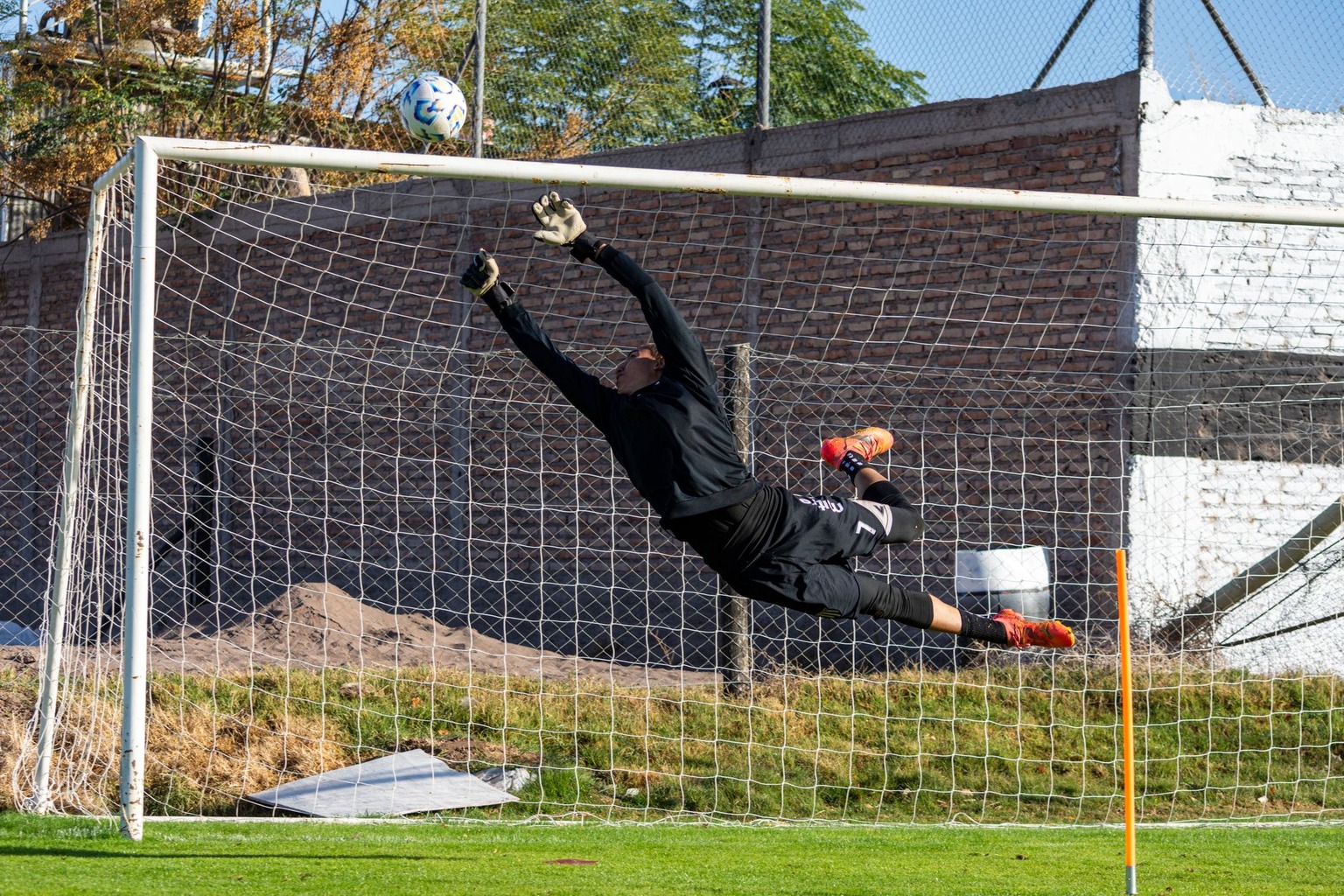
goal kicks add another layer of complexity because the ball must travel farther while staying on target. Adopt a slightly deeper stance than for a regular pass, plant your non‑kicking foot beside the ball, and strike with the instep while keeping your head down and eyes on the intended zone. Many coaches recommend a three‑step rhythm: approach, plant, and strike, which creates a repeatable pattern under pressure. Track your success rate by marking a target zone on the opposite half of the field and noting how often the ball lands within that area during practice sessions. Over time, you will develop a feel for the amount of force needed to reach different zones without sacrificing accuracy.
Read the game: choosing the right distribution option
Effective goalkeeper distribution is as much about decision‑making as it is about technique. Scan the field quickly after making a save, identifying the positions of your defenders, midfielders, and the opposition press. If your back line is compact and the opponent is applying high pressure, a quick short pass to a nearby defender can reset possession safely. Conversely, when the opposition is spread out and a forward is making a run, a long throw or goal kick that bypasses the midfield can exploit space behind the defense. Practicing this reading process in small‑sided games sharpens your ability to make the correct choice in real time.
One practical method to improve your reading skills is the “four‑option drill.” Set up four markers representing typical distribution choices: short left, short right, long left, and long right. After each save, decide which marker best matches the current game situation and execute the corresponding pass or throw. Record the outcome of each decision, noting any turnovers or successful attacks that result. Over several weeks, patterns will emerge, allowing you to internalize the cues that signal each option, and you will find yourself making the right call faster and with greater confidence.
Avoid common pitfalls and fine‑tune under pressure
A frequent mistake among keepers is over‑reaching with long balls, which leads to loss of possession and counter‑attacks. To prevent this, always measure the distance to your target before striking, and adjust the force accordingly. Another error is hesitating when a back‑pass arrives, often caused by fear of making a mistake. Build confidence by rehearsing high‑pressure scenarios where a teammate deliberately puts a difficult pass into your area, forcing you to act quickly. The more you expose yourself to these situations in training, the less likely you will freeze during a match.
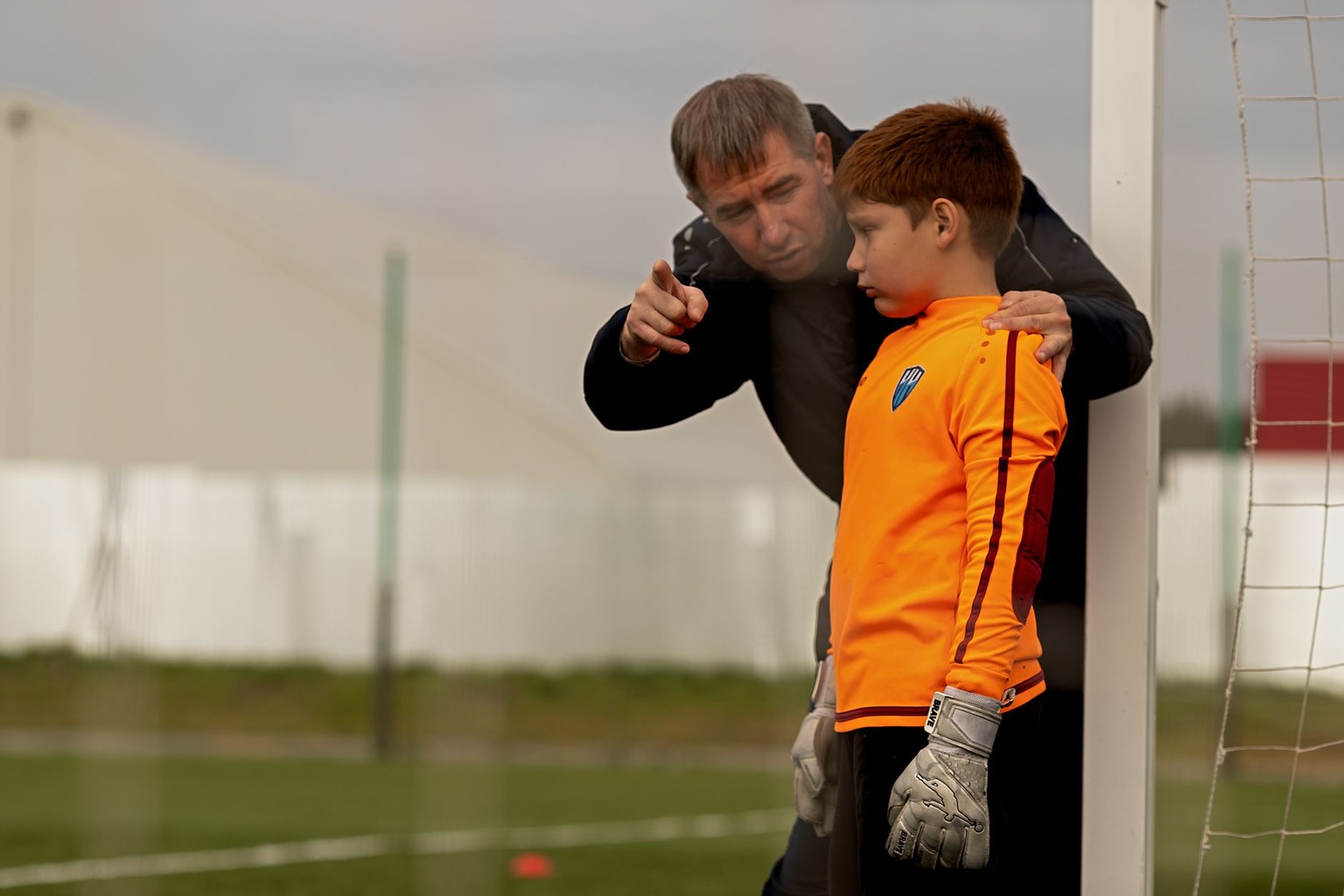
Finally, integrate mental resilience exercises into your routine to handle the stress of distribution in critical moments. Simple breathing techniques, such as inhaling for four counts and exhaling for six, can calm nerves before a crucial goal kick. Pair this with a quick visual cue, like looking at a specific stripe on the goal line, to reset focus. By combining technical drills with these mental habits, you create a reliable distribution system that functions consistently, even when the stakes are high.

I have been a dedicated student of the game for as long as I can remember, always looking to uncover the stories behind the stats. My weekends revolve around analyzing tactical shifts and emerging talent across various leagues. I write to share that passion and provide a fresh perspective on the sport I love.