

Modern teams often rely on Comeback football tactics like gegenpressing to quickly regain control of the game after losing the ball. This strategy emphasizes immediate pressure on the ball carrier following a loss of possession, forcing opponents into mistakes and creating goal-scoring opportunities before they can reorganize. Understanding counter pressing not only sheds light on its tactical nuances but also highlights its effectiveness in various footballing contexts, from club competitions to international tournaments.
What is Counter Pressing?
To execute Counter attacking football effectively, a team must press the opposition immediately after losing the ball to regain possession swiftly. Unlike Defensive transitions where teams fall back into shape, this tactic avoids immediate retreat after losing the ball. Teams employing counter pressing look to exploit the disorganization of their opponents, who may be caught transitioning from attack to defense. By applying pressure in these moments, teams can capitalize on mistakes, regain possession, and launch quick counterattacks.
The essence of counter pressing is rooted in teamwork and tactical discipline. Players are required to work in unison, closing down passing lanes and marking opponents closely. This requires high fitness levels, as players must be ready to sprint and apply pressure relentlessly. Teams like Liverpool under Jürgen Klopp and Manchester City under Pep Guardiola have effectively utilized counter pressing to dominate matches, showcasing its potential to disrupt opposing teams’ rhythm.
The Tactical Framework of Counter Pressing
Implementing counter pressing requires a clear tactical framework. Teams often adopt a high defensive line, positioning players closer to the opponent’s half. This setup allows for quicker engagement with the ball carrier and minimizes the distance to cover when regaining possession. Additionally, players must be strategically placed to cut off passing options, forcing opponents into risky decisions. The coordination among players is crucial; if one player presses, others must ensure they cover potential passing lanes and support the press.
For instance, when a team loses possession, forwards initiate the press by closing down the nearest defenders, while midfielders position themselves to intercept passes. The full-backs may also push up to support the press, creating a compact formation that hinders the opponent’s ability to play out from the back. This tactical approach can lead to quick turnovers, enabling the pressing team to transition rapidly into attack.
Benefits of Counter Pressing
The primary benefit of counter pressing is its ability to regain possession quickly, often in advanced areas of the pitch. This not only allows teams to maintain attacking momentum but also puts immediate pressure on the opponent’s defense. By winning the ball back high up the pitch, teams can create goal-scoring opportunities before the opposition has a chance to regroup. This tactic can be particularly effective against teams that prioritize ball possession, as it disrupts their rhythm and forces them into uncomfortable situations.

Counter pressing can also create a psychological edge in penalties by maintaining relentless pressure on the opponent. Opponents may become hesitant to play out from the back or make bold passes, fearing immediate repercussions from the pressing team. This pressure can lead to mistakes, which can be capitalized on by the counter pressing team. The fast-paced nature of counter pressing can also energize the players and engage fans, creating an exciting atmosphere during matches.
Counter Pressing in Modern Football
In recent years, counter pressing has gained prominence among top clubs and national teams, influencing the style of play across various leagues. Teams like Barcelona, under Pep Guardiola, were early adopters of this tactic, emphasizing high pressing and quick ball recovery. The success of this approach has led to its widespread adoption, with many teams integrating counter pressing into their tactical repertoire.
Clubs in the English Premier League have particularly embraced counter pressing, as seen with Liverpool’s success in recent seasons. Jürgen Klopp’s philosophy revolves around intense pressing and swift transitions, leading to significant achievements, including the league title and Champions League victory. This shift towards counter pressing reflects a broader trend in football, where teams prioritize proactive defending and quick attacking play.
Challenges and Limitations of Counter Pressing
While counter pressing offers numerous advantages, it is not without its challenges. One significant limitation is the physical demands placed on players. Proper Fatigue management in soccer is crucial, as relentless sprinting and pressing can exhaust players, especially during a packed fixture list. Teams must manage their players’ fitness levels to sustain this style of play over a season.
Additionally, counter pressing can leave teams vulnerable to counterattacks themselves. If the pressing players are bypassed, it can create gaps in the defensive structure, exposing the team to swift counterattacks. Therefore, coaches must strike a balance between pressing aggressively and maintaining defensive solidity. The effectiveness of counter pressing also relies heavily on the players’ understanding of the tactic and their ability to execute it consistently.
Famous Examples of Counter Pressing
Several clubs and national teams have become synonymous with counter pressing, showcasing its effectiveness on the global stage. Liverpool’s performance in the 2018-2019 Champions League, where they claimed the title, highlighted their pressing prowess. Matches against teams like Barcelona demonstrated how effectively they could regain possession and counterattack, culminating in a historic comeback.
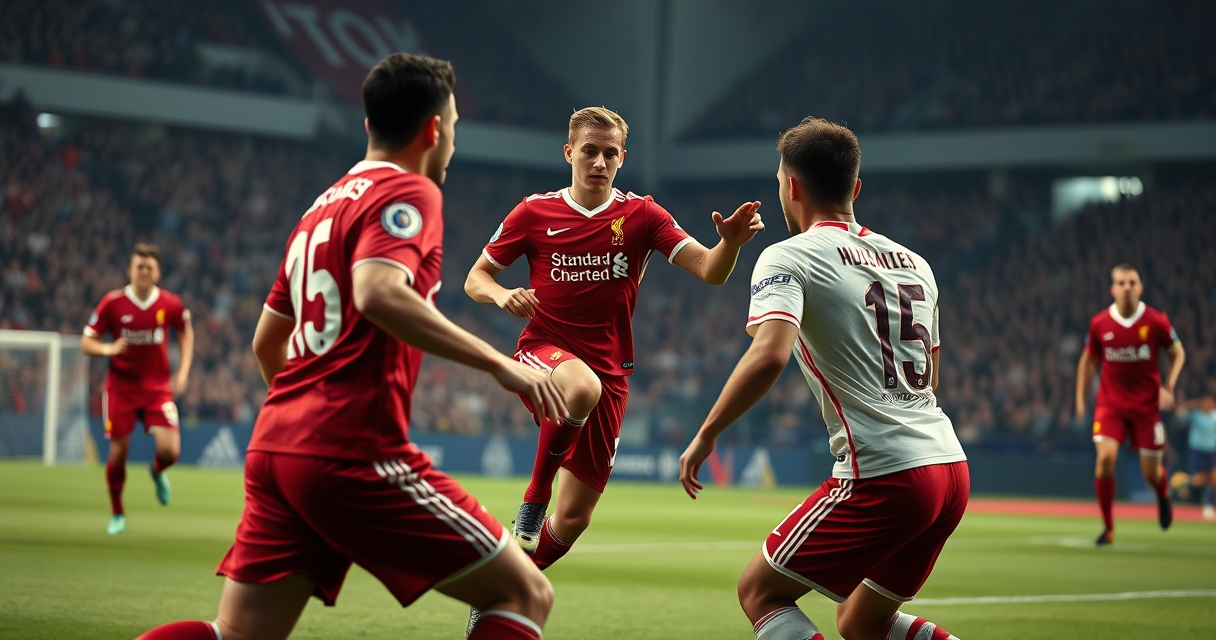
Another prominent example is the German national team during the 2014 World Cup. Under Joachim Löw, the team employed counter pressing to great effect, allowing them to dominate possession and create scoring opportunities. Their tactical discipline and ability to press opponents in crucial moments were instrumental in their success, culminating in lifting the trophy in Brazil.
The Future of Counter Pressing in Football
As football continues to evolve, counter pressing is likely to remain a vital tactical element. Coaches and teams are constantly adapting and refining their pressing strategies to stay competitive. The rise of data analytics in football has also influenced how teams approach counter pressing, with clubs using performance metrics to assess the effectiveness of their pressing systems and make necessary adjustments.
Moreover, the growing emphasis on youth development programs is producing players who are well-versed in modern tactical approaches, including counter pressing. As these players enter professional ranks, the tactical landscape will continue to shift, potentially leading to new innovations in pressing strategies. The future of counter pressing will undoubtedly shape how teams compete at the highest levels, influencing tactics, player development, and overall match strategies.

I have been a dedicated student of the game for as long as I can remember, always looking to uncover the stories behind the stats. My weekends revolve around analyzing tactical shifts and emerging talent across various leagues. I write to share that passion and provide a fresh perspective on the sport I love.