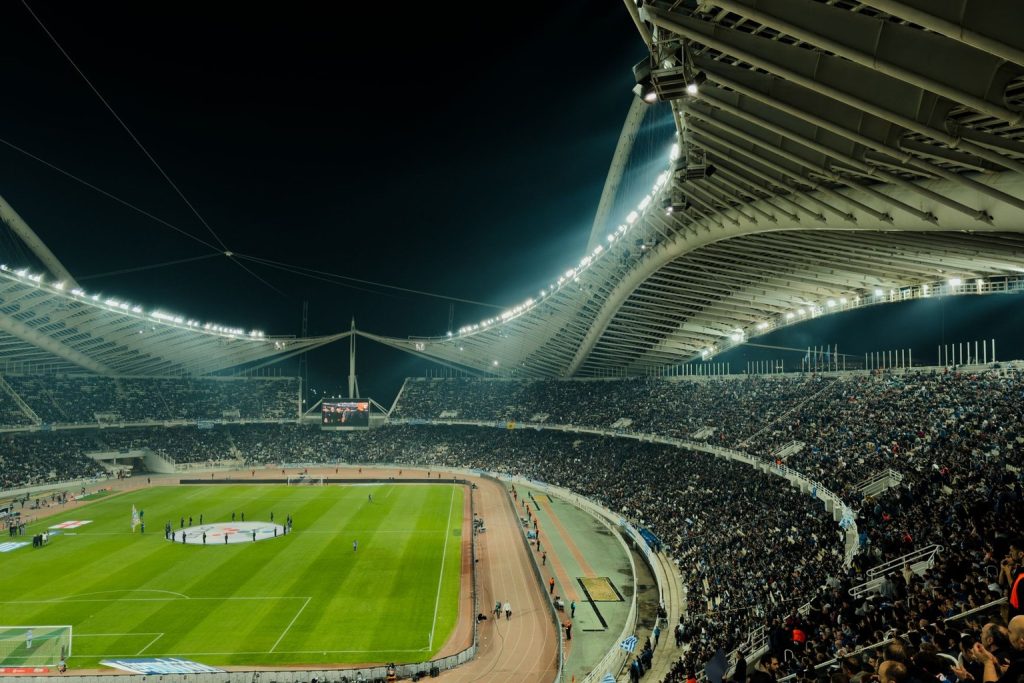

The attacking midfielder frequently serves as the key strategist behind a team’s offensive play. While wingers and forwards draw attention for goals and flair, it’s the midfielders who dictate tempo, create space, and deliver the final passes that lead to scoring opportunities. Yet, even the most technically gifted midfielders can struggle if their movement doesn’t align with modern football’s demands. Movement isn’t just about running, it’s about positioning, timing, and intelligence. A midfielder who stands still in the center of the pitch will be outplayed by one who constantly shifts to exploit gaps, forces defenders into mistakes, and positions themselves for through balls or one-on-one chances. This guide breaks down how to master attacking midfield movement, from understanding the fundamentals to refining your approach in high-pressure moments.
Understand the Three Key Zones of Attacking Midfield Movement
The attacking midfielder operates across three primary zones: the deep midfield, the central channel, and the wide areas. Each zone requires a different type of movement, and misplacing yourself in any of them can leave your team vulnerable. In the deep midfield, your role is to sit slightly behind the defensive line, acting as a shield while also being ready to pounce on any defensive errors. Think of players like Kevin De Bruyne or N’Golo Kanté, both excel at this balance, but De Bruyne’s movement is more dynamic, while Kanté’s is disciplined and reactive. The central channel is where creativity thrives; this is where you should be making runs into space, either diagonally into the half-spaces or vertically behind defenders. Finally, the wide areas demand quick lateral movement to support wingers or stretch the play. A midfielder who stays too central will struggle to connect with full-backs or create overloads on the flanks. Watch how players like Bruno Fernandes or Jude Bellingham use these zones, they don’t just occupy space; they create it.
If he intends to implement his favorite 4-2-3-1 formation, a No.10 should be required, as his squad lacks a genuine fit for the role.
Gennaro Gattuso, Lazio manager — sports.yahoo.com
The mistake many midfielders make is treating these zones as static positions rather than fluid areas of responsibility. For example, a midfielder who anchors too deep in the central channel will be caught out when the ball is played wide, forcing them to make a long, unnatural run. Conversely, a player who constantly floods the wide areas might abandon their defensive duties, leaving the team exposed. The solution is to have a predefined set of movement patterns, like a deep lie to receive, a diagonal run into the half-space, or a quick overlap with the full-back, that adapt based on the opponent’s formation. Specialized drills, such as the 3v2 transition game, help midfielders train under pressure to anticipate rather than just react. Without this understanding, even the most skilled midfielder will be a liability rather than an asset.
Master the Art of the Diagonal Run
The diagonal run is one of the most effective tools in an attacking midfielder’s arsenal, yet it’s often underutilized. The key is to make these runs at the right angle, too steep, and you’ll be left isolated; too shallow, and you’ll be intercepted. The ideal diagonal runs at a 45-degree angle into the half-space, cutting inside from the wing or dropping from midfield to receive between the lines. Players like Thomas Müller and Frenkie de Jong are masters of this, using their body shape to shield the ball while drawing defenders out of position. Müller’s movement is particularly telling: he rarely makes the same run twice, constantly changing his angle to keep defenders guessing. This unpredictability forces opponents to waste energy marking him rather than focusing on the forward or winger.
Timing is everything with diagonal runs. You must time your movement to coincide with the ball’s trajectory, if you cut inside too early, you’ll be caught offside; if too late, you’ll be left with no passing option. A simple drill to practice this is the “1v1 shadowing drill,” where a defender mirrors your movements while you work on making sharp, decisive runs. Another common mistake is running diagonally without a clear objective. Your run should always have a purpose: to receive the ball, to create space for a teammate, or to force a defensive overlap. Without a clear end goal, your movement will lack precision. Watch how Lionel Messi uses diagonal runs, he doesn’t just cut inside; he does so with the intent of either turning or playing a through ball, making his movement both creative and purposeful.
Exploit the Half-Spaces with Precision
The half-spaces, the areas between the center and the wings, are where the most dangerous attacks originate. An attacking midfielder who dominates these zones can unbalance entire defenses. The key is to occupy these spaces before the ball arrives, so you’re already in position to receive or make a run. Players like Casemiro (yes, even a defensive midfielder) and Rodri excel here because they understand how to position themselves in the half-space to receive the ball on the half-turn, ready to either dribble forward or play a quick one-two. Midfielders often make the error of positioning themselves too near the center line, making them vulnerable to single defenders. Instead, you should sit slightly wider, allowing you to receive the ball with more space to maneuver.
On GEDFOOTBALL they cover tactical soccer concepts – you can watch their take on Attacking Midfielder Movements right here.
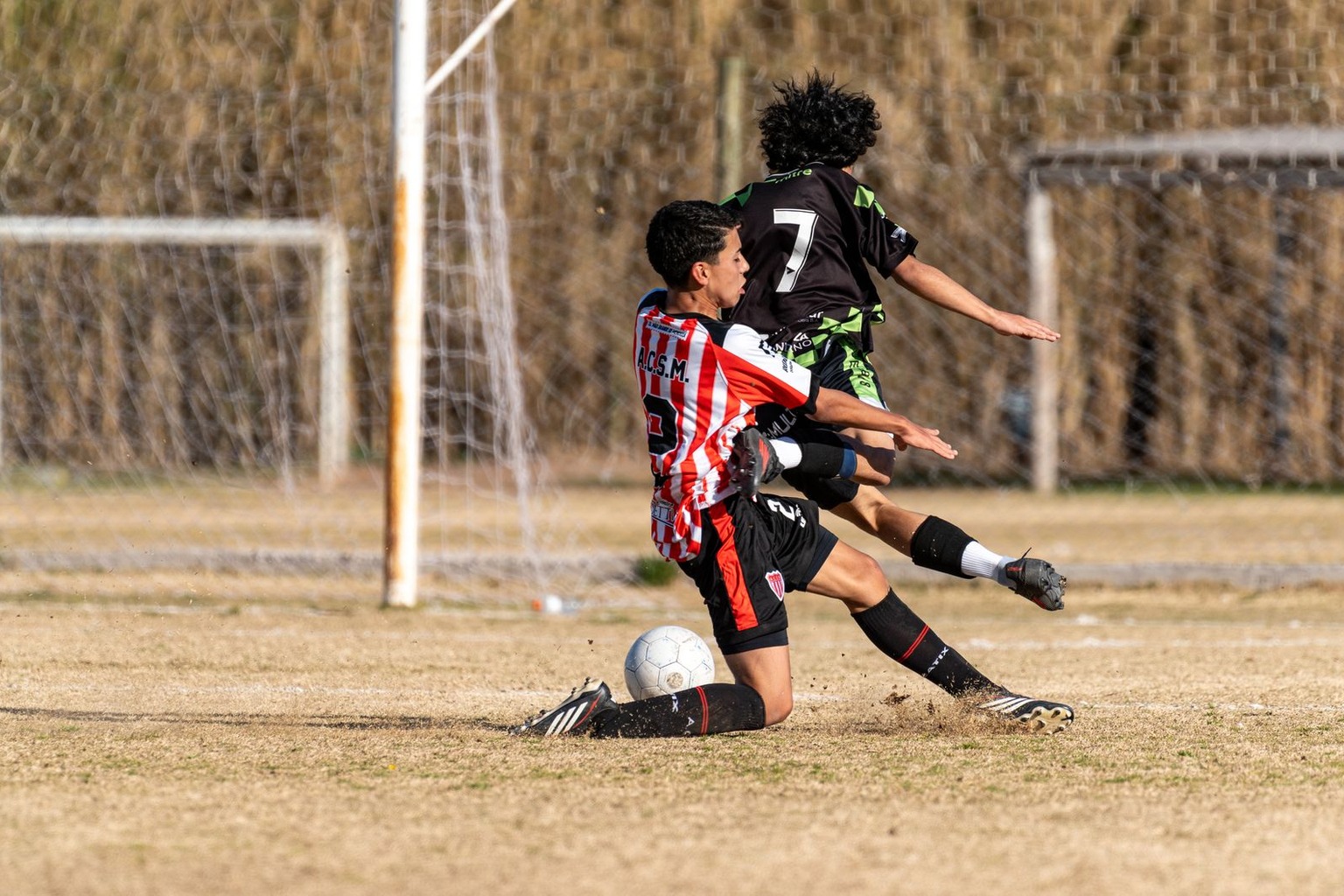
Another critical aspect of half-space movement is the “drop-and-drive” technique. This involves dropping slightly deeper to receive the ball and then accelerating forward into the space you’ve just vacated. This creates a ripple effect, pulling defenders out of position and opening up new passing lanes. A great example is how Kevin De Bruyne operates for Manchester City. He doesn’t just receive in the half-space; he uses his body to shield the ball while simultaneously making a run into the box, forcing defenders to choose between marking him or covering the goal. This kind of movement isn’t just about individual skill, it’s about understanding how your runs influence the entire team’s structure. If your midfielders aren’t exploiting the half-spaces, they’re leaving gaps that opponents will exploit.
Use Overloads to Break Defenses
Overloading a single defensive line is one of the most effective ways to break down organized defenses. An attacking midfielder’s movement should be designed to create numerical superiority in key areas, whether that’s through diagonal runs, deep-lying support, or quick transitions. The classic example is the “3v2 overload” in midfield, where two midfielders press one while the third drops to cover. Players like Franck Ribéry and Neymar mastered this by constantly shifting their positions to create temporary overloads. Ribéry, for instance, would drop into the half-space to receive while his teammate made a run wide, forcing the defense to split their attention. This kind of movement isn’t just about individual brilliance, it’s about collective intelligence, where every run has a purpose in the bigger picture.
The mistake many midfielders make is creating overloads without a clear objective. Simply flooding the midfield won’t work if you don’t have a teammate to exploit the space you’ve created. The solution is to have a predefined passing sequence, such as a quick one-two or a through ball to a forward. For example, if you make a diagonal run into the half-space, your teammate should be making a supporting run behind the defender you’ve drawn out. This kind of movement requires trust between players, if one midfielder isn’t reliable in their runs, the overload will collapse. Watch how Liverpool’s midfield operates under Jürgen Klopp: they don’t just overload; they overload with purpose, whether it’s to create a 2v1 in midfield or to stretch the defense vertically.
Adapt Your Movement Based on Opponent Tactics
No two teams defend the same way, and a midfielder’s movement must adapt accordingly. Against a low-block defense, your runs should focus on stretching the play vertically, forcing the defense to commit to high lines. Against a high-line defense, you’ll need to drop deeper to receive and then make quick, explosive runs forward. Players like Luka Modrić and Toni Kroos are renowned for their tactical adaptability, they don’t just move based on instinct; they analyze the opponent’s formation and adjust their positioning. For example, against a 4-4-2, you might focus on making runs into the half-spaces to exploit the space between the center-backs and midfielders. Against a 4-2-3-1, you’ll need to be more cautious in the central channel, as the double pivot will be harder to break through.
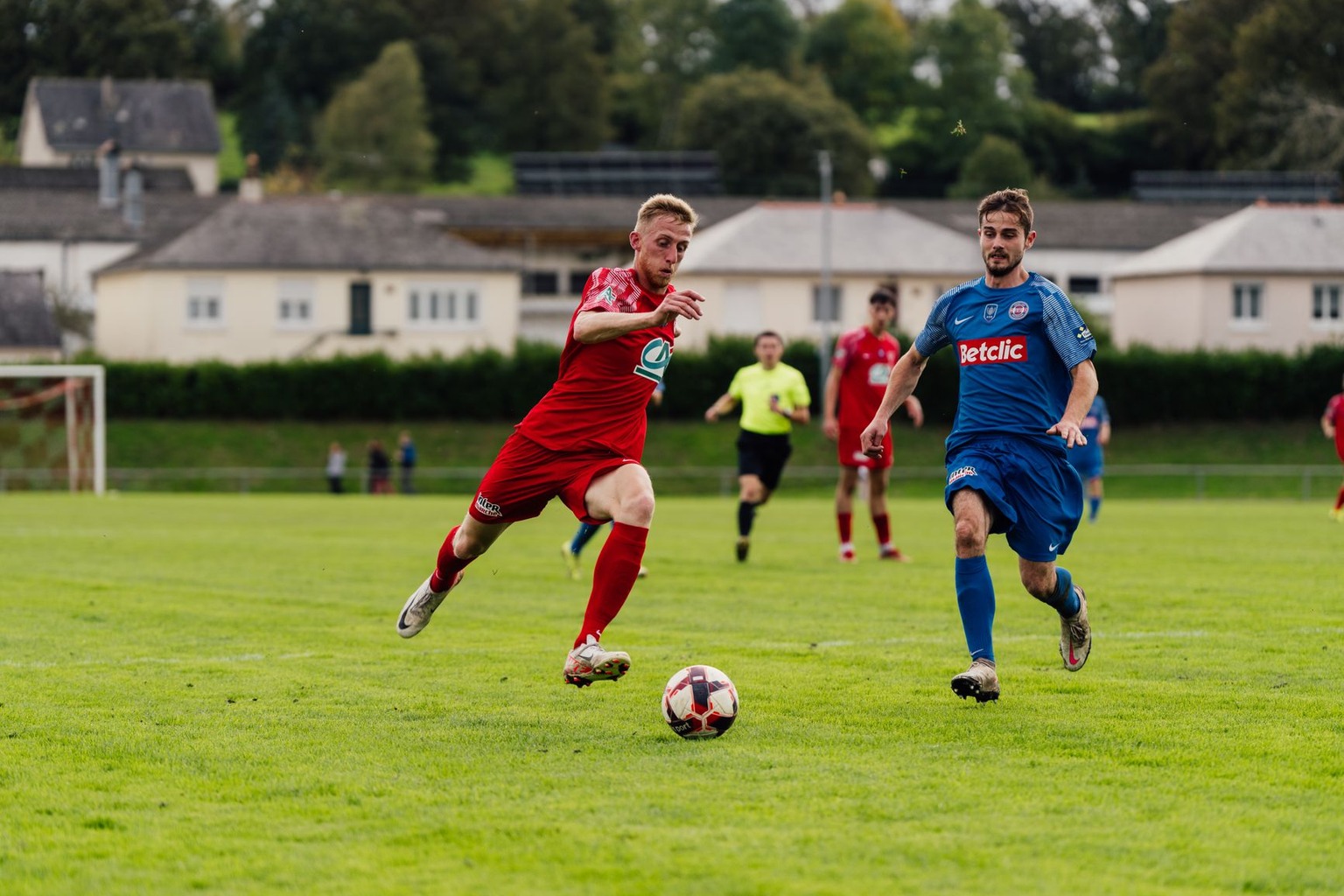
The most common mistake here is treating all opponents the same. A midfielder who uses the same movement patterns against every team will eventually be outsmarted. The solution is to study the opponent’s defensive shape before the game and adjust your movement accordingly. For instance, if the opposition has a narrow midfield, you should make wider runs to stretch them. If they have a high defensive line, you should drop deeper to receive and then make quick, forward runs. Drills like the “tactical transition game” help midfielders practice these adjustments under pressure. Without this adaptability, even the most technically gifted midfielder will struggle to create chances consistently.
Refine Your Movement Under Pressure
Movement isn’t just about positioning, it’s about doing so under pressure. In high-pressure situations, midfielders often freeze or make rushed decisions, which can lead to turnovers or missed opportunities. The key is to practice movement in simulated game scenarios, where defenders are actively marking you. Players like Sergio Busquets and Casemiro are masters of this because they’ve spent years refining their movement in high-stakes moments. Busquets, for example, doesn’t just drop deep to receive; he does so while simultaneously making a run behind the defender he’s shielding, forcing the opposition to make a decision on the ball. This kind of movement requires quick thinking and physical endurance, you can’t just rely on skill; you must also be mentally sharp.
The mistake many midfielders make is treating practice movement as separate from game movement. In training, they might make perfect runs, but in a real game, they panic under pressure. The solution is to incorporate high-intensity drills that replicate game situations, such as the “pressure transition drill,” where defenders apply immediate pressure after a pass. Another common mistake is overcomplicating your movement. In high-pressure moments, simplicity wins, focus on making one clear run rather than trying to do too much. Watch how Rodri operates for Manchester City: he doesn’t overthink his movement; he makes decisive, purposeful runs that exploit the smallest gaps in the defense.

I have been a dedicated student of the game for as long as I can remember, always looking to uncover the stories behind the stats. My weekends revolve around analyzing tactical shifts and emerging talent across various leagues. I write to share that passion and provide a fresh perspective on the sport I love.