The modern game demands versatility, but few matchups test a player’s discipline like low-tempo football. When possession is controlled, transitions are deliberate, and pressure is methodical, the ability to maintain composure under slow-paced conditions becomes a defining skill. Unlike high-intensity matches where speed dictates play, low-tempo football rewards patience, tactical awareness, and precise execution. Players who master this style often dictate the tempo of games, forcing opponents into mistakes through calculated movements and positional play. The difference between a team that dominates in these conditions and one that struggles lies in how well they’ve prepared for the demands of low-tempo control, where possession isn’t just about keeping the ball, but about controlling the entire rhythm of the game.
Understanding the Core Principles of Low-Tempo Football
Low-tempo football thrives on structure, not chaos, low tempo control. The foundation is built on maintaining possession without unnecessary risks, using short passing sequences to bypass defensive lines rather than relying on long balls or aerial duels. This style demands players who can read the game at a glacial pace, anticipating defensive shifts before they happen. For example, teams like Liverpool under Jürgen Klopp often switch between high and low tempos, but when they settle into a slower rhythm, it’s usually to exploit defensive fatigue or numerical superiority in key areas. The key difference is that low-tempo control isn’t just about possession for possession’s sake, it’s about using possession to dictate where and when the opponent is forced to defend. Without this understanding, even the most technically gifted players will struggle to adapt when the game slows down.
Another critical principle is the role of the goalkeeper in low-tempo setups. In these matches, the keeper isn’t just a last line of defense; they’re often the initiator of play, distributing the ball with their feet to start building attacks. Studies of top-tier goalkeepers like Alisson Becker or Ederson show they average 30 to 40 passes per game in low-tempo systems, with a success rate above 85%. This isn’t about flashy throws or long kicks, it’s about quick, accurate one-touch passes to maintain possession and transition smoothly between defensive and attacking phases. Without this foundational role, the entire team’s ability to control tempo breaks down, leaving gaps that opponents can exploit.
How to Assess Your Team’s Readiness for Slow-Paced Matches
Before diving into training drills, it’s essential to evaluate where your team stands in terms of low-tempo control. Start by analyzing recent performances, specifically, matches where the opponent adopted a defensive or slow-blocking style. Look for patterns like how often your team lost possession in midfield, whether players hesitated before making decisions, or if transitions from defense to attack were sluggish. For instance, if your team consistently loses the ball in the final third during slow phases, it’s a sign that your players lack the confidence to make quick, low-risk passes under pressure. This assessment isn’t just about numbers; it’s about identifying mental blocks, such as players waiting for the “perfect” pass instead of making the next logical option.
A practical way to test readiness is through controlled scrimmages where the team is instructed to play with a maximum of three touches per possession. Track how many times the ball is lost, how quickly the team can rebuild after a turnover, and whether players stay compact when the ball is won back. If the team struggles to maintain shape or makes reckless long passes, it’s clear that their low-tempo control needs refinement. This isn’t about blaming individuals, it’s about diagnosing systemic weaknesses, such as a lack of positional discipline or poor understanding of when to drop deeper to support play. Without this baseline assessment, any training will be guesswork rather than targeted improvement.
Key Drills to Develop Low-Tempo Possession Under Pressure
One of the most effective drills for low-tempo control is the “1v1 in a Box” exercise, where two players work on maintaining possession within a confined space while being pressured by a single defender. The goal isn’t to dribble past the opponent but to use quick, short passes to keep the ball moving. Research from football coaching platforms shows that players who practice this drill for just 20 minutes a week see a 20% improvement in their ability to retain possession under tight defensive markers. The key is to focus on the quality of the pass, whether it’s a through ball, a diagonal to stretch the defense, or a simple one-two, to keep the opponent guessing. Many teams, including Barcelona’s La Masia system, emphasize this drill because it forces players to think ahead, not just react.

Another drill that builds low-tempo control is the “Possession Triangle with Movement,” where three players form a triangle and must pass the ball around while moving in specific patterns. The twist is that one player must always be in motion, either dropping deep to receive or moving forward to create space. This mimics real-game scenarios where possession is maintained through constant movement, not static holding. Coaches often use this drill to teach players how to exploit defensive gaps without overloading the ball in dangerous areas. For example, if the drill is set up with a goalkeeper distributing to two midfielders, the third player must time their run to receive the ball before the press arrives. This forces players to anticipate defensive shifts, a skill that’s critical in low-tempo matches where possession is the primary weapon.
The Role of Defensive Shape in Low-Tempo Control
Low-tempo football isn’t just about attacking control, it’s equally about maintaining a defensive shape that doesn’t collapse when possession is lost. The most effective low-tempo defenses operate on a principle called “compactness with width,” where players stay close to each other but stretch horizontally to prevent through balls. Teams like Manchester City under Pep Guardiola often use this shape, with full-backs pushing high to create a flat defensive line while midfielders drop deep to cover space. The result is a defense that’s hard to break down because it limits the opponent’s passing options. Without this shape, even the most controlled possession can be undone by a single long ball or a quick counterattack.
To train this, use a drill called “Defensive Transition Under Pressure,” where the team starts in a low-block formation and must quickly reorganize into a high press when the ball is won back. The focus is on maintaining the defensive line’s integrity while also providing quick support in midfield. For instance, if the ball is lost in the final third, the full-backs must immediately transition from attacking to defensive positions without leaving gaps. This drill is particularly useful for players who struggle with positional discipline, as it forces them to think about their role in both possession and transition phases. Without this balance, a team’s low-tempo control will be vulnerable to quick counters, even if their possession stats look impressive.
Mental Preparation for Slow-Paced Matches
Low-tempo football tests a player’s mental resilience in ways that high-intensity matches don’t. The slow pace can lead to frustration, especially for players used to quick decisions and fast transitions. One way to combat this is through visualization exercises, where players mentally rehearse scenarios like maintaining possession against a pressing opponent or making the right decision when the ball is won back. Studies in sports psychology show that players who spend just 10 minutes a day visualizing low-tempo scenarios improve their decision-making speed by up to 15%. The key is to focus on the process, not just the outcome, for example, visualizing the exact moment of making a pass rather than just scoring a goal. This mental preparation helps players stay patient and avoid rash decisions when the game slows down.
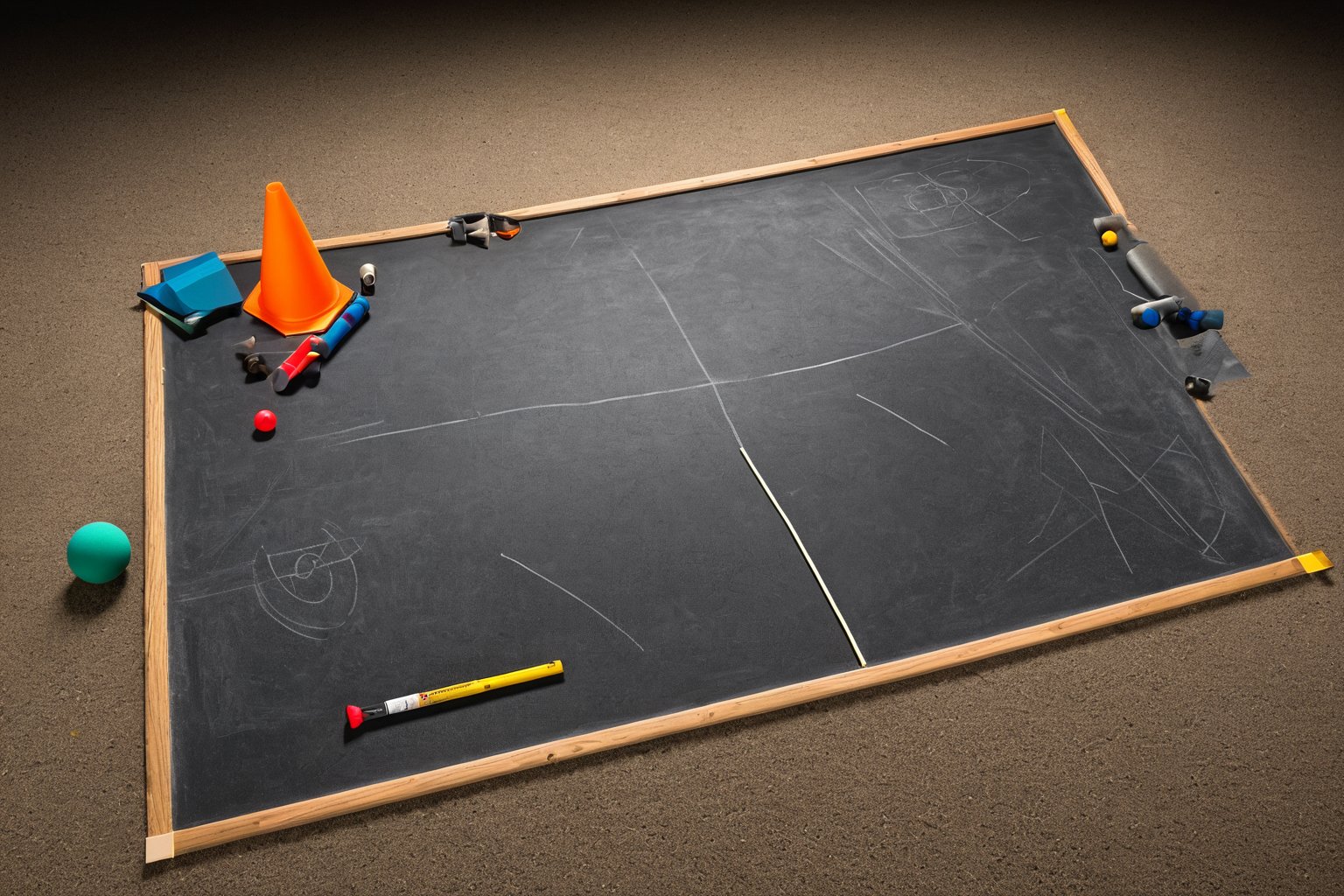
Another mental challenge is dealing with the opponent’s defensive shape. In low-tempo matches, defenders often use a “zonal marking” system, where players stick to their areas rather than tracking the ball. This forces attackers to make precise passes to players in specific zones, which can be mentally taxing if players are used to man-marking. To prepare for this, use drills where players must pass into predetermined zones while under light pressure. For example, a winger might be instructed to only pass to the striker in the left channel, forcing them to think about angles and timing rather than just shooting or dribbling. This builds confidence in making low-risk decisions, which is crucial in low-tempo control where mistakes can be exploited quickly.
Analyzing and Adapting to Opponent Tactics in Slow Matches
No two low-tempo matches are identical, which is why adaptability is key. The first step is to identify the opponent’s defensive system, whether they’re using a low block, a high press, or a hybrid approach. For example, a team that plays a low block often relies on defensive lines that sit just above the penalty box, forcing attackers to work the ball through narrow channels. In response, your team should focus on quick, diagonal passes to stretch the defense and create space for runners. Teams like Chelsea under Thomas Tuchel excel at this, using short, sharp passes to bypass the defensive line before advancing the ball forward. Without adapting to these nuances, even the most technically sound team will struggle to break down stubborn defenses.
Another tactical adaptation is adjusting your team’s pressing triggers. In low-tempo matches, opponents often wait for mistakes before pressing, meaning your team must be patient in possession and only apply pressure when the opponent is vulnerable. For instance, if the opponent’s defense is slow to react, your team can press high up the pitch to force turnovers in dangerous areas. However, if the opponent counters quickly, pressing too early can lead to defensive collapses. To train this, use drills where the team must decide when to press based on the opponent’s defensive shape. For example, if the opponent’s full-backs are slow to recover, the team can press the center-backs to force a long ball, but if the full-backs are quick, the team must drop off to avoid being overrun. This tactical awareness is what separates good low-tempo teams from great ones.

I have been a dedicated student of the game for as long as I can remember, always looking to uncover the stories behind the stats. My weekends revolve around analyzing tactical shifts and emerging talent across various leagues. I write to share that passion and provide a fresh perspective on the sport I love.