

A modern football midfield under relentless pressure is often the difference between a team that dominates possession and one that crumbles under high-intensity pressing. The most effective press-resistant midfielders don’t just survive the onslaught, they turn it into an advantage. Whether you’re analyzing Manchester United’s shortlist of midfielders or studying how Liverpool’s front-runners handle defensive transitions, the ability to stay composed under pressure is non-negotiable. This isn’t just about physical attributes; it’s about tactical awareness, positional intelligence, and the mental fortitude to dictate play even when surrounded by opponents. The best midfielders don’t get caught in the trap of passive distribution, they use their composure to create space, exploit gaps, and force turnovers on their terms. Without this, even the most technically gifted players will struggle in today’s game where pressing is the primary weapon of top-tier teams.
The Core Traits of a Press-Resistant Midfielder
The foundation of a press-resistant midfield begins with three non-negotiable traits: first-touch precision, spatial awareness, and decision-making under pressure, press resistant midfielders. A midfielder with a reliable first touch can absorb pressure without losing possession, often using their body to shield the ball while scanning for passing options. Spatial awareness isn’t just about knowing where teammates are, it’s about anticipating where defenders will be before they move, allowing the player to make quick, calculated decisions. Decision-making under pressure separates the good from the great; a midfielder who hesitates or makes rash passes will be exploited, while one who reads the game instantly can dictate the tempo. Take Bruno Fernandes, for instance, his ability to stay calm in tight spaces and deliver accurate through-balls or progressive passes is what makes him a standout in Manchester United’s midfield. Without these traits, even the most technically gifted players will be overwhelmed by modern pressing systems.
Another critical trait is the ability to dictate tempo through possession. Midfielders who can control the game’s rhythm, whether by holding up play, making forward runs, or distributing quickly to avoid turnovers, create instability in the opposition’s defense. This isn’t about being the fastest or most technically gifted player; it’s about using intelligence to outmaneuver defenders. For example, Liverpool’s midfielders often use their movement to stretch defenses, forcing opponents to make mistakes when they’re forced into long passes or rushed decisions. Without this ability to control the game’s flow, a midfield will struggle to maintain possession under pressure, leading to defensive collapses. The best midfielders don’t just survive pressing, they use it to their advantage.
Positional Roles: Where Press Resistance Matters Most
The role of a midfielder within the system directly influences how press-resistant they need to be. A deep-lying playmaker, like N’Golo Kanté at Chelsea, operates in a different pressure zone than a box-to-box midfielder like Kevin De Bruyne at Manchester City. The deep-lying playmaker often acts as a shield, absorbing pressure to allow teammates to progress, while the box-to-box player must be comfortable both holding and advancing the ball. This positional specificity means that scouts and coaches must tailor their expectations based on where the midfielder operates. For instance, a midfielder playing as a traditional number 6 will face different defensive challenges than one playing as a false winger or a central midfielder in a double pivot. Understanding these roles helps in identifying which players can thrive in press-heavy systems.
In modern football, the false nine and false winger roles have forced midfielders to become more versatile in how they handle pressure. Players like Rodri at Manchester City or Fabinho at Liverpool often drop into midfield to shield the defense, requiring them to be comfortable receiving the ball in tight spaces. This versatility means they must be able to turn quickly, shield the ball effectively, and make quick decisions to avoid losing possession. Without this adaptability, midfielders in these roles will struggle to maintain possession under intense defensive pressure. The best midfielders understand their positional responsibilities and use them to their advantage, whether that means dropping deep to protect the defense or making forward runs to stretch the opposition.
Drills to Develop Press Resistance in Midfielders
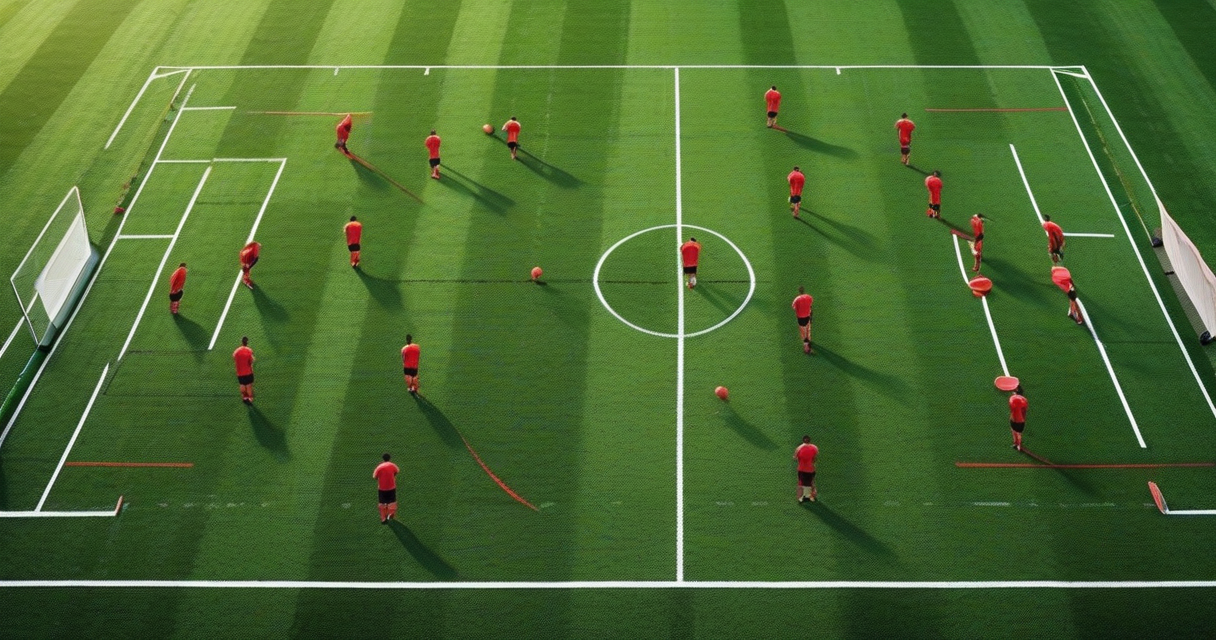
Building press resistance starts with targeted drills that simulate real-game scenarios. One of the most effective exercises is the “pressure cone drill,” where a midfielder must receive the ball under direct pressure from two or three defenders. The goal isn’t just to keep possession, it’s to make quick, intelligent decisions to bypass the pressure, whether by dribbling, passing to a teammate, or shielding the ball to buy time. This drill forces players to develop their first touch, spatial awareness, and decision-making under pressure. Another useful exercise is the “possession under pressure” drill, where a team of four players must maintain possession in a 20×20-yard grid while being pressed by two opponents. This simulates the chaos of a game where midfielders must constantly be on the move, making quick passes to avoid turnovers.

The “shielding drill” is another essential tool for developing press resistance. In this exercise, a midfielder must receive the ball while being pressed by an opponent and then shield it to make a pass or dribble forward. The key here is to use the body effectively to protect the ball while scanning for passing options. This drill reinforces the importance of body positioning and quick decision-making, two critical skills for midfielders in press-heavy systems. By incorporating these drills into training sessions, coaches can help midfielders develop the composure and technical skills needed to thrive under pressure. Without consistent practice, even the most naturally gifted players will struggle to maintain their performance in high-pressure situations.
Common Mistakes That Undermine Press Resistance
One of the most frequent mistakes midfielders make under pressure is hesitating before making a decision. When faced with an opponent bearing down, players often freeze, leading to turnovers or rushed passes that fall into the feet of defenders. This hesitation is often the result of poor first-touch control or a lack of confidence in their ability to handle pressure. Coaches must address this by reinforcing the importance of quick, decisive actions, whether that means a quick pass, a dribble, or a shielded hold-up play. Another common error is overcomplicating the game by trying to do too much with the ball. Midfielders who insist on dribbling past defenders when a simple pass would suffice often end up losing possession unnecessarily. The best midfielders know when to keep it simple and when to take risks, and this awareness is what separates good players from great ones.
Midfielders also often fail to use their movement effectively under pressure. Instead of making forward runs to create space, they stand still, making it easier for defenders to close them down. This lack of movement can disrupt the team’s attacking structure and leave gaps in the defense. To combat this, players must be encouraged to make intelligent runs, whether that means dropping deep to shield the defense or making diagonal runs to stretch the opposition. Without this movement, midfielders will struggle to create opportunities for themselves and their teammates. The best midfielders understand that movement isn’t just about getting forward; it’s about creating space for others to exploit. This tactical awareness is what makes them so valuable in press-heavy systems.
Analyzing Press-Resistant Midfielders in Elite Teams
Studying midfielders in elite teams like Manchester United, Liverpool, and Manchester City reveals key patterns in how they handle pressure. Players like Bruno Fernandes at Manchester United often use their composure to dictate play, making quick, accurate passes to bypass defenders. His ability to stay calm in tight spaces and deliver through-balls to forwards like Marcus Rashford is a testament to his press-resistant qualities. Similarly, Liverpool’s midfielders, such as Jordan Henderson and Thiago Alcântara, use their movement and positional intelligence to create space for teammates, even under intense defensive pressure. By analyzing these players, coaches can identify what makes them effective and apply those principles to their own teams. The best midfielders don’t just survive pressing, they use it to control the game’s tempo and create opportunities for their teammates.
Another key takeaway from elite midfielders is their ability to read the game and exploit defensive weaknesses. Players like Rodri at Manchester City often anticipate where defenders will be before they move, allowing him to make quick, intelligent passes that bypass pressure. This ability to read the game isn’t just about technical skill, it’s about tactical awareness and experience. Midfielders who can anticipate defensive movements will be better equipped to handle pressure and create opportunities for their teams. Without this ability, even the most technically gifted players will struggle to maintain possession under intense defensive systems. The best midfielders understand that press resistance isn’t just about individual skill, it’s about working within the team’s system to exploit defensive weaknesses.
Adapting to Different Pressing Styles
Not all pressing styles are created equal, and midfielders must adapt to the specific tactics of their opponents. Some teams, like Liverpool, use a high-intensity pressing system that forces midfielders to make quick decisions under constant pressure. Others, like Manchester United, employ a more structured pressing approach that targets specific areas of the field. Midfielders must be able to recognize these differences and adjust their behavior accordingly. For example, in a high-pressing system, midfielders will need to be more aggressive in their distribution to avoid turnovers, while in a structured pressing system, they can afford to be more patient with the ball. This adaptability is what makes midfielders effective in different tactical systems.
The ability to adapt to different pressing styles also requires midfielders to be versatile in their roles. Players who can switch between deep-lying playmaker and box-to-box midfielder, for example, will be better equipped to handle the varying demands of different pressing systems. This versatility isn’t just about technical skill, it’s about tactical intelligence and the ability to read the game. Midfielders who can adapt to different pressing styles will be more valuable to their teams, as they can adjust their behavior to suit the specific tactics of their opponents. Without this adaptability, midfielders will struggle to perform consistently in different match situations. The best midfielders understand that press resistance isn’t just about individual skill, it’s about working within the team’s system to exploit defensive weaknesses and adapt to different tactical approaches.

I have been a dedicated student of the game for as long as I can remember, always looking to uncover the stories behind the stats. My weekends revolve around analyzing tactical shifts and emerging talent across various leagues. I write to share that passion and provide a fresh perspective on the sport I love.