
Understanding Chance Creation Patterns in Football
Chance creation patterns in football refer to the systematic ways teams generate scoring opportunities during matches. These patterns are crucial for a team’s attacking strategy and can significantly influence the outcome of games. Coaches and analysts study these patterns to optimize their team’s performance, identify weaknesses in opponents, and enhance their overall tactical approach. By understanding how different formations and player movements contribute to chance creation, teams can develop effective strategies that maximize their scoring potential while minimizing defensive vulnerabilities.
Types of Chance Creation Patterns
There are several types of chance creation patterns that teams utilize to break down defenses. One common pattern is the use of width, where teams stretch the opposition by utilizing the flanks. Wingers or full-backs often position themselves wide, allowing for cross-field passes or overlaps that can create space in the center. Another pattern is the combination play, where players engage in quick, short passes to maneuver through tight defensive setups. This technique relies on players’ technical skills and understanding of each other’s movements, enabling them to exploit small gaps in the defensive line.
Additionally, teams often employ vertical patterns, which focus on direct forward movement. This can involve long balls from the defense or midfield to a striker making a run behind the defense. Such patterns can catch opponents off-guard, especially if the receiving player has pace and can create an immediate threat. Understanding these various patterns allows teams to adapt their style of play depending on the opponent’s formation and defensive setup.
The Role of Player Movement
Player movement is fundamental to effective chance creation. Off-the-ball runs can draw defenders away from key areas, creating space for teammates to exploit. For instance, a forward making a diagonal run can open up space for an attacking midfielder to take a shot or make a pass. This movement is often coordinated with the passing rhythm of the team, ensuring that players are in the right position at the right time. Teams that excel in creating chances often have players who possess high football intelligence, enabling them to read the game and anticipate each other’s movements.
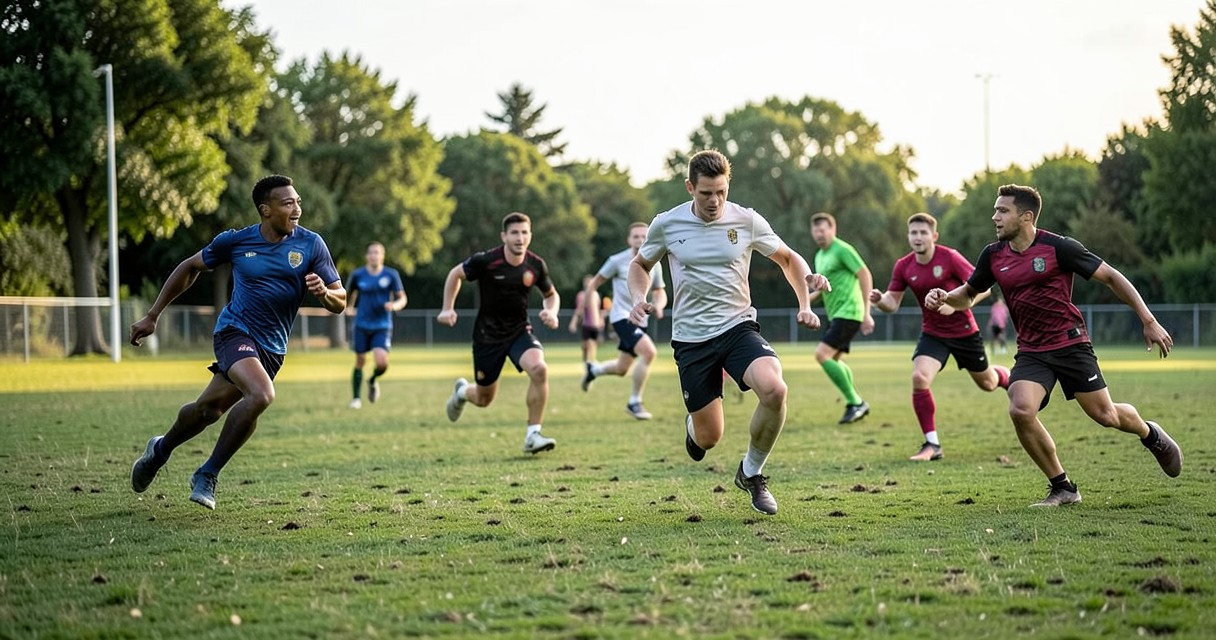
Moreover, the timing of these movements is crucial. A well-timed run can mean the difference between a goal-scoring opportunity and a missed chance. For example, if a midfielder delays their pass until the forward has made their run, it can lead to a perfectly timed through ball that catches the defense off-balance. Coaching staff often emphasize drills that focus on timing and spatial awareness to enhance their team’s ability to create chances through coordinated movement.
Set Pieces as a Chance Creation Tool
Set pieces, including corners and free-kicks, are vital opportunities for chance creation in football. Teams often invest significant time in training specific routines designed to exploit defensive weaknesses during these situations. For instance, a well-executed corner can involve intricate movements and decoys that confuse defenders, allowing for a clear shot on goal. The effectiveness of these set pieces often hinges on the players’ ability to communicate and execute the plan under pressure.
Statistics show that a significant percentage of goals in top-level football come from set pieces, highlighting their importance. Teams that can efficiently capitalize on these situations tend to have a higher goal-scoring rate. Additionally, analyzing opponents’ set piece vulnerabilities can provide a competitive edge, allowing teams to tailor their strategies to exploit weaknesses in the opposing side’s defensive organization.
Utilizing Technology in Analyzing Chance Creation
Modern football increasingly relies on technology to analyze chance creation patterns. Advanced analytics and video analysis tools help coaches and analysts dissect matches in detail, providing insights into how chances are created or squandered. Data on player positioning, movement, and passing accuracy can reveal trends that inform tactical adjustments. For instance, heat maps can show areas of the pitch where a team is most effective in creating chances, allowing for targeted training and strategy development.
Furthermore, wearable technology can track players’ movements and physiological responses during games, providing data that can enhance performance. This information enables coaching staff to make informed decisions about player selection and tactical adjustments during matches. As technology continues to evolve, the ability to analyze and understand chance creation patterns will likely become even more sophisticated, offering teams a competitive advantage.
Psychological Factors in Chance Creation
The psychological aspect of football cannot be overlooked when discussing chance creation patterns. Players’ confidence levels can significantly affect their decision-making and execution in critical moments. A player who is in good form is more likely to attempt a daring run or take a shot from distance, while a player lacking confidence might hesitate, leading to missed opportunities. Coaches often focus on building a positive team environment to boost players’ morale and encourage risk-taking in the attacking third.

Additionally, understanding the mental state of opponents can inform strategic decisions. Teams that can capitalize on an opponent’s nervousness or frustration often find it easier to create chances. For example, if a team is trailing late in a match, they may be more vulnerable to counter-attacks as they push for an equalizer. Recognizing these psychological factors allows teams to exploit moments of weakness effectively.
Case Studies of Successful Chance Creation Patterns
Examining successful teams provides valuable lessons in effective chance creation patterns. For instance, clubs like Manchester City and Liverpool have become renowned for their intricate attacking play, characterized by quick passing sequences and intelligent movement. Their ability to create high-quality chances consistently stems from a well-drilled understanding of their tactical systems, allowing players to fluidly interchange positions and create opportunities in the final third.
Another notable example is Atletico Madrid, known for their disciplined defensive structure complemented by quick counter-attacking plays. Their chance creation often relies on exploiting spaces left by opponents when they overcommit to attack. By analyzing these teams, aspiring coaches and players can glean insights into effective strategies and adapt them to their unique contexts, further enhancing their attacking capabilities.

I have been a dedicated student of the game for as long as I can remember, always looking to uncover the stories behind the stats. My weekends revolve around analyzing tactical shifts and emerging talent across various leagues. I write to share that passion and provide a fresh perspective on the sport I love.