The Importance of Height in Defensive Line Play
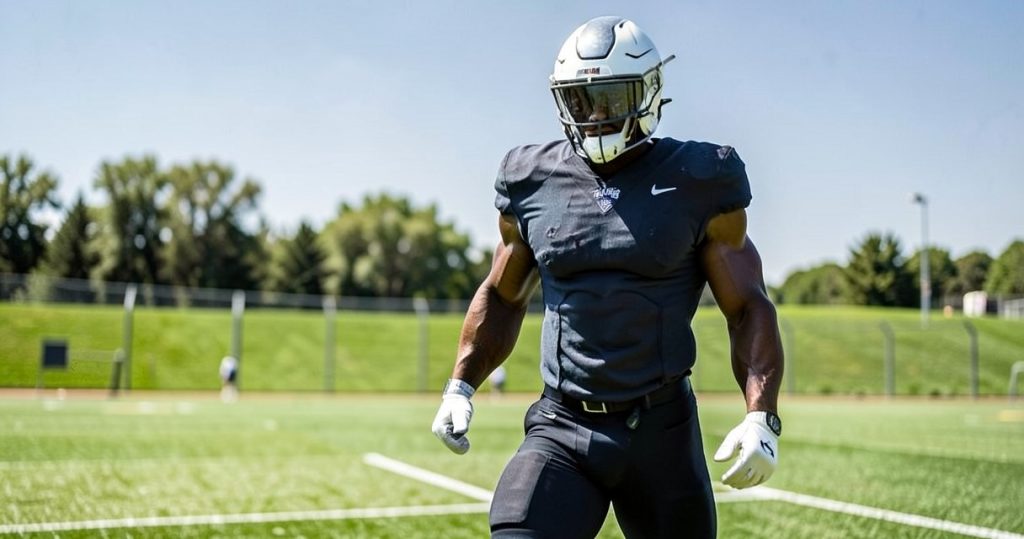
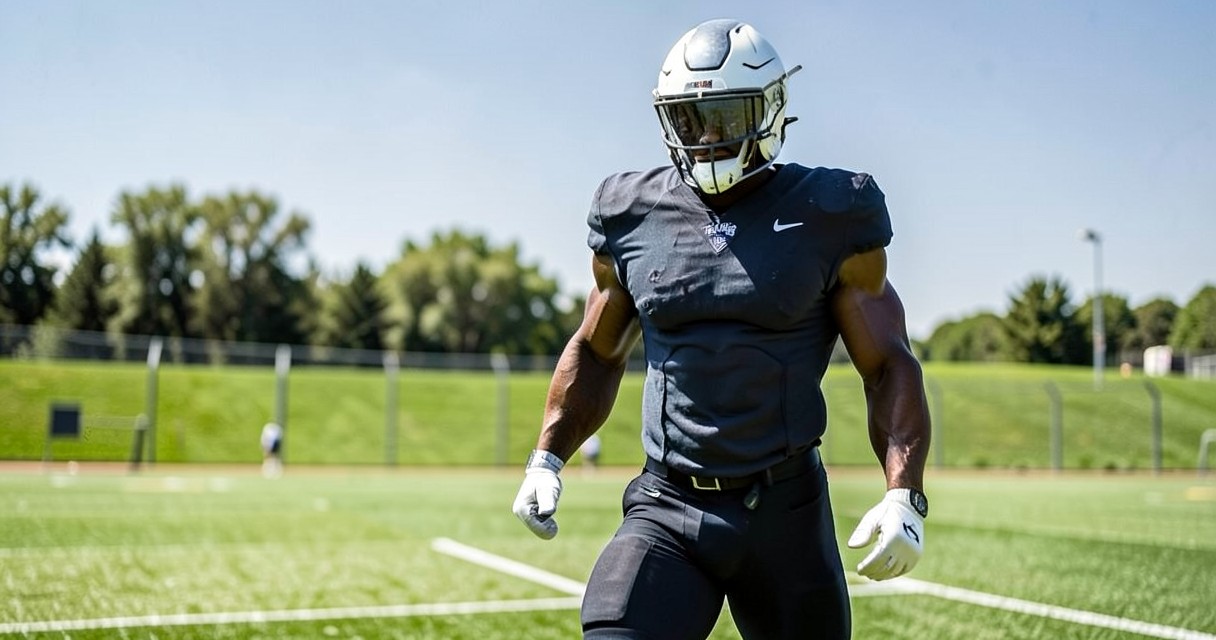
The height of players on the defensive line is a significant factor in football, influencing everything from pass rush effectiveness to run defense. Taller players typically have a longer reach, allowing them to get their hands up to bat down passes and disrupt the quarterback’s vision. This can be particularly crucial in high-stakes situations where every inch matters. However, height must be coupled with agility and strength, as a tall player who lacks mobility may struggle against shorter, quicker offensive linemen. The balance of height and athleticism can define a defensive line’s overall effectiveness.
Height Trends in College Football Defensive Lines
In recent years, college football has seen a trend towards taller defensive linemen. Programs are increasingly prioritizing height as they recruit players, often looking for athletes who stand 6’4″ or taller. This shift is partly due to the evolution of offensive strategies that favor taller quarterbacks and receivers. For instance, teams like Texas Tech have invested significantly in their defensive lines, with their tallest players often exceeding 6’6″. Such height can create mismatches against shorter offensive lines, allowing for more effective pass rushes and containment against running plays.
Comparative Analysis: Height vs. Weight on the Defensive Line
While height is crucial, weight also plays a vital role in the effectiveness of a defensive lineman. A player who is tall but lacks the necessary weight may be easily overpowered by a heavier offensive lineman. Conversely, a shorter, sturdier player may excel in stopping the run due to their low center of gravity and strength. For example, many top defensive linemen in college football, like those from Miami, have shown that a combination of height and mass can be more effective than height alone. The ideal defensive lineman balances these attributes to adapt to various offensive schemes.
Height’s Impact on Pass Rush Techniques
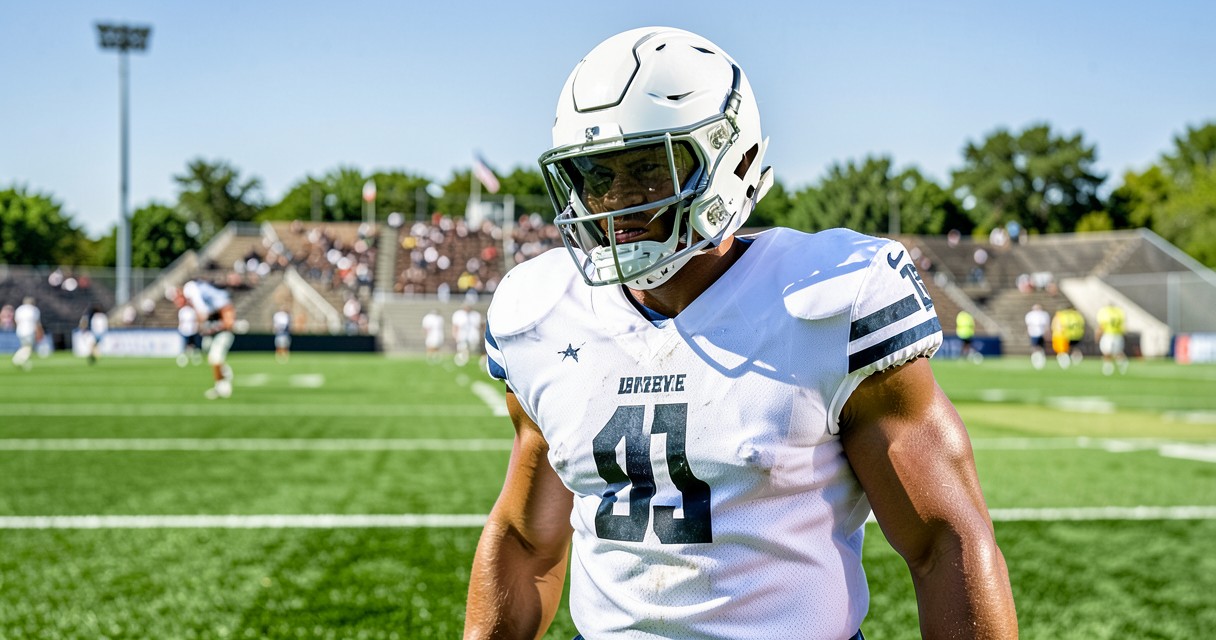
Defensive linemen utilize different techniques based on their height. Taller players often excel in techniques that leverage their reach, such as the “long arm” technique, where they use their extended arms to push back offensive linemen and create pressure on the quarterback. This technique can be devastating when executed correctly, as it helps defenders maintain leverage while keeping the offensive lineman at bay. In contrast, shorter players might focus on quickness and leverage, utilizing their lower center of gravity to slip past blockers. Understanding how height influences technique can help coaches optimize their defensive strategies.
The Role of Height in Stopping the Run
Height is not just beneficial for pass-rushing; it also plays a critical role in run defense. Taller defensive linemen can better see over the offensive line, allowing them to diagnose plays quickly and react accordingly. They can also use their height to their advantage when engaging with offensive linemen, using their long arms to shed blocks and make tackles. However, shorter defensive linemen often have the advantage of lower leverage, which can help them hold their ground against powerful running backs. This duality highlights the importance of having a diverse defensive line that can adapt to various running styles.
Recruiting Trends: The Pursuit of Height in Defensive Linemen
As college programs continue to emphasize height in their recruiting strategies, this trend is shaping the future of defensive lines. Coaches are increasingly scouting for taller athletes who can meet the demands of modern football, where quarterbacks are often taller than ever. For instance, the Florida Gators have invested in recruiting taller defensive linemen to match up against high-profile offenses. This focus on height is also influencing training regimens, as coaches develop programs that enhance the agility and strength of taller players, ensuring they can compete effectively at higher levels.
Height and Player Development: Training for Success
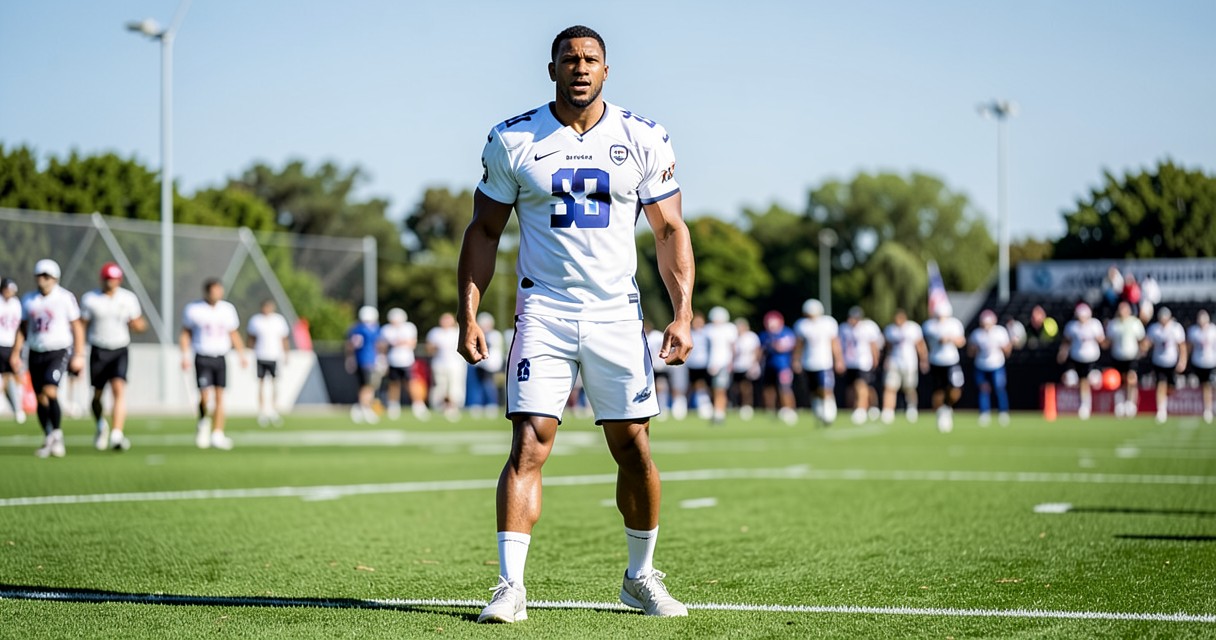
The training and development of defensive linemen must take their height into account. Taller players may need specialized training that focuses on improving their agility and footwork, as they can sometimes struggle with balance and quickness. Strength training is equally important, as taller athletes need to build muscle to effectively engage with shorter, more powerful opponents. Programs that emphasize both strength and speed for taller defensive linemen can help them maximize their potential, leading to more effective performances on the field. Coaches must tailor their approaches to ensure that height works in favor of the player, not against them.

I have been a dedicated student of the game for as long as I can remember, always looking to uncover the stories behind the stats. My weekends revolve around analyzing tactical shifts and emerging talent across various leagues. I write to share that passion and provide a fresh perspective on the sport I love.