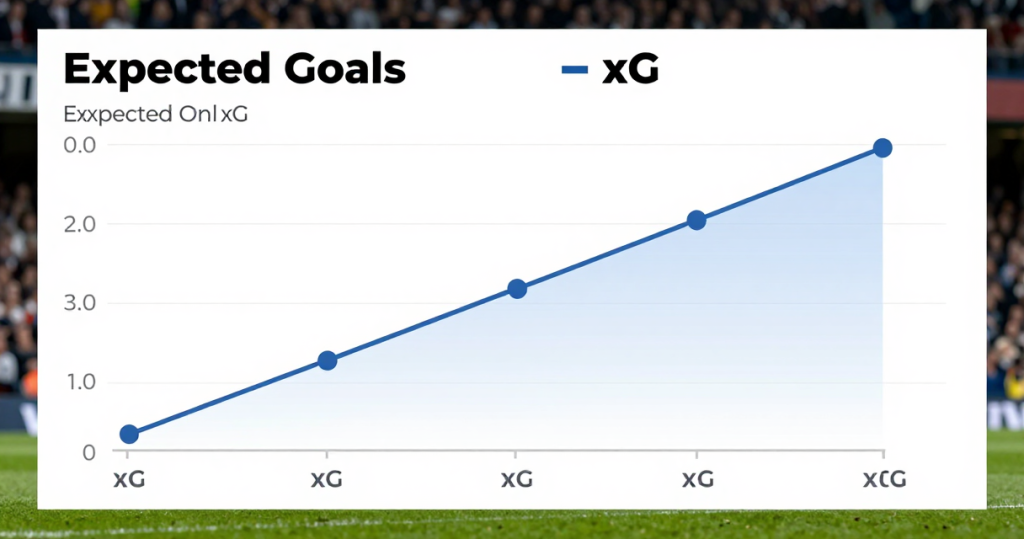
Expected goals, commonly referred to as xG, has transformed the way fans, analysts, and clubs evaluate performance in football. This statistical metric quantifies the quality of goal-scoring opportunities, providing a clearer insight into a team’s attacking efficiency. By assessing various factors, such as shot location, angle, and the type of assist, xG offers a more nuanced understanding of a match beyond mere scorelines. In this article, we will break down what expected goals are, how they are calculated, their significance in football analysis, and their implications for teams and players.
Understanding Expected Goals (xG)
Expected goals represent a statistical measure that estimates the likelihood of a goal being scored from a specific shot. Each shot taken during a match is assigned an xG value based on historical data, which considers variables like distance from goal, angle, and the position of defenders and the goalkeeper. For example, a shot taken from inside the six-yard box typically has a higher xG value than a long-range effort because it is statistically more likely to result in a goal. This metric allows analysts to evaluate not just the number of goals scored but the quality of scoring chances created during a match.
The concept of xG emerged as teams and analysts sought more sophisticated ways to assess performance. Traditional statistics like goals scored or shots taken can be misleading, as they do not account for the quality of opportunities. By utilizing xG, teams can better understand their offensive efficiency and defensive vulnerabilities, leading to more informed tactical decisions and player evaluations.
The Calculation of xG
Calculating xG involves analyzing a vast array of data points from previous matches to create a model that predicts the probability of scoring from different types of shots. Various factors contribute to the xG value of a shot, including the position on the pitch, the type of shot (header, volley, etc.), and the context of the play (e.g., whether the shot was taken under pressure). Advanced statistical models often use machine learning algorithms to refine these predictions by continuously learning from new match data.
For instance, a shot taken from a tight angle with several defenders in close proximity may receive a low xG score, while a clear chance from the penalty spot would be assigned a high value. Analysts compile this data from thousands of matches, allowing them to create a reliable framework for assessing shot quality. The result is a comprehensive overview of a player’s or team’s performance that goes beyond basic statistics.
The Importance of xG in Match Analysis
xG has become an essential tool for match analysts, coaches, and football clubs. By examining xG data, teams can identify trends in their attacking play, evaluate player performance, and make strategic adjustments. For example, a team may discover they are creating numerous high-quality chances but failing to convert them, indicating a need for improved finishing or a change in attacking personnel. Conversely, a low xG could suggest a lack of creativity or poor positioning in the final third.
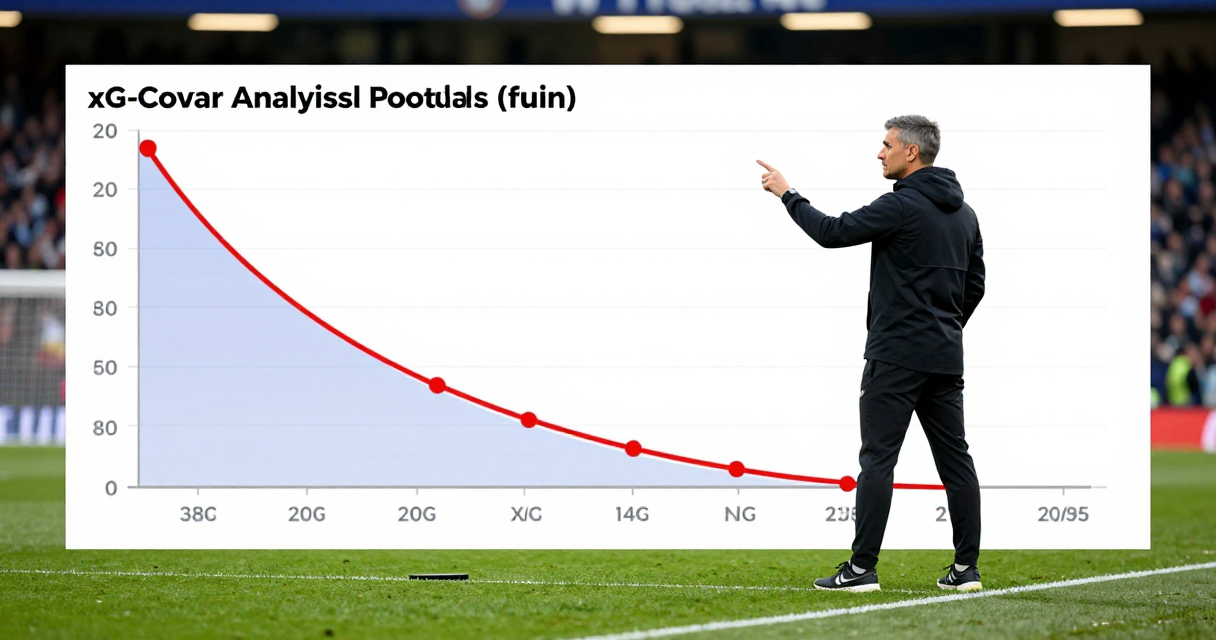
Moreover, xG can help teams assess their opponents more effectively. By analyzing the xG values of opposing teams, coaches can devise strategies to exploit weaknesses or bolster their defense against high-scoring threats. This data-driven approach to match preparation has become increasingly valuable in a highly competitive environment where every edge counts.
Interpreting xG Values
Understanding xG values is crucial for making sense of a team’s performance. Typically, xG values are expressed as a decimal between 0 and 1, where a value of 0.5 indicates a 50% chance of scoring. During a match, analysts often compare the xG values for both teams to gauge their relative performance. For example, if Team A has an xG of 2.5 while Team B has an xG of 0.8, it suggests that Team A created significantly higher-quality chances, even if the final score does not reflect this disparity.
It is also important to note that while xG can provide insights into performance, it is not an infallible predictor of outcomes. A team may have a high xG but still lose if they fail to convert chances or if the opposing goalkeeper has an outstanding performance. Therefore, while xG is a valuable tool, it should be used alongside other metrics and qualitative assessments for a complete picture of a match.
Player Performance and xG
For individual players, xG offers a more nuanced perspective on their scoring abilities. By examining a player’s xG over a series of matches, analysts can determine whether a player is underperforming or exceeding expectations based on the quality of chances they receive. For example, a forward with a high xG but few goals may be struggling with their finishing, while a player with a low xG and high goal tally may be capitalizing on luck or exceptional skill.
Clubs increasingly use xG data to inform transfer decisions. By identifying players who consistently generate high xG numbers, teams can target individuals who are likely to improve their scoring output. This analytical approach helps clubs make more informed investments, as they can focus on players who have demonstrated the ability to convert chances effectively in various contexts.
xG and Tactical Decisions
Coaches are leveraging xG data to refine their tactical approaches. By understanding which formations and strategies yield the highest xG, managers can adjust their game plans to maximize scoring opportunities. For instance, a team that generates higher xG from wide play may choose to employ wingers to stretch the opposition’s defense, leading to more crosses and goal-scoring chances.
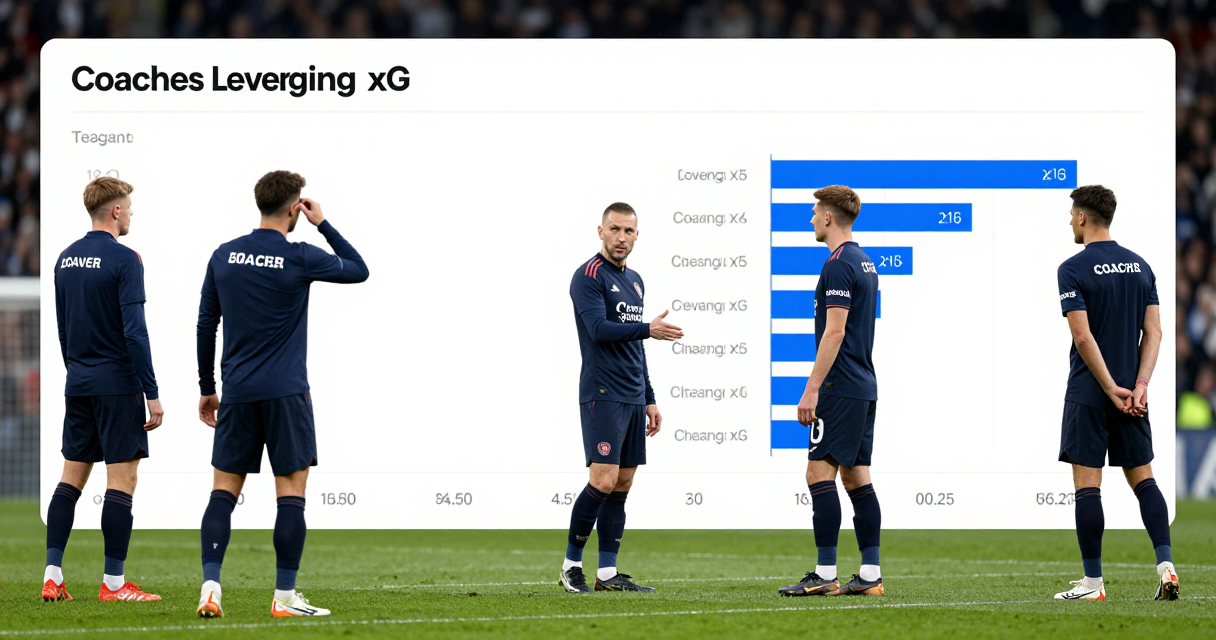
Additionally, xG can inform in-game decisions, such as substitutions or tactical shifts. If a team is struggling to create chances, a manager might look to bring on a more creative player or change their formation to increase attacking potential. This adaptability, informed by xG analysis, can be the difference between winning and losing in tight matches.
The Future of Expected Goals in Football
The use of xG is likely to grow as technology and data analysis continue to evolve in football. With advancements in tracking technology, clubs will have access to even more detailed data, enabling them to analyze player movements, shot quality, and team dynamics in unprecedented ways. This data can help teams not only improve their current performance but also shape long-term strategies for player development and recruitment.
As the football community increasingly embraces analytics, the conversation around xG will expand. Fans and pundits alike will become more familiar with the concept, leading to its integration into match commentary and analysis. This shift will enhance the viewing experience, as audiences gain a deeper understanding of the tactical intricacies and performances on display during matches.

I have been a dedicated student of the game for as long as I can remember, always looking to uncover the stories behind the stats. My weekends revolve around analyzing tactical shifts and emerging talent across various leagues. I write to share that passion and provide a fresh perspective on the sport I love.