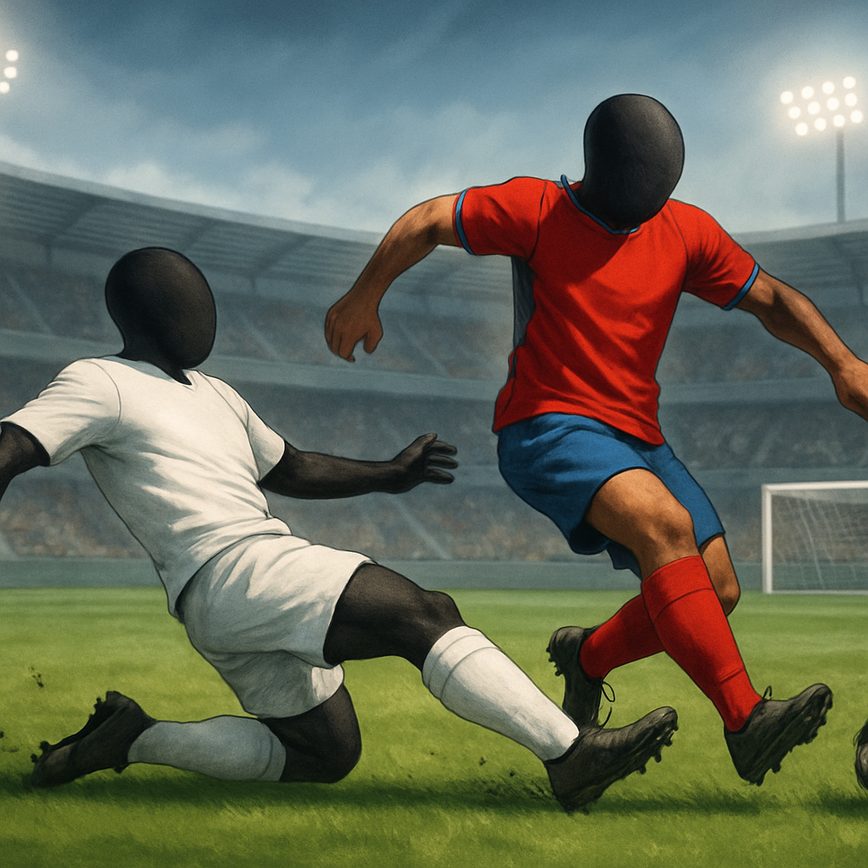
Understanding Football Tactical Fouls
Tactical fouls in football are deliberate infractions committed by a player to disrupt the opposing team’s momentum or to prevent a promising attack. Unlike careless or reckless fouls, tactical fouls are intentional and serve a strategic purpose within the game. They are an integral part of soccer strategy and game tactics, frequently used by teams to gain a psychological or tactical edge over their opponents.
The primary purpose of tactical fouls is to break up the flow of the game, especially when the opposing team is building a dangerous attack. By committing a foul at a critical moment, a player can halt the progression of the ball, allowing their team to regroup defensively or disrupt the rhythm of the opposition. These fouls often occur in the midfield or defensive thirds and typically result in free kicks rather than immediate goal-scoring opportunities for the opposing team.
Teams use tactical fouls to manage game dynamics and maintain control over the pace of the match. When a key attacker is gaining momentum or when the opposition’s players exploit gaps in defense, committing a tactical foul can serve as a quick and effective countermeasure. This strategy helps to limit the risk of conceding goals while also signaling to the opponents that their attacking runs will be closely monitored and challenged.
However, tactical fouls come with risks. Referees may penalize repeated tactical fouls with yellow cards or even red cards, which can weaken the offending team by reducing the number of players on the field. Despite these risks, players skilled in using tactical fouls judiciously can influence the outcome of matches by disrupting the flow and forcing opponents to reconsider their game tactics.
Overall, tactical fouls are a nuanced element of football fouls that demonstrate the tactical depth of the game. They reflect the strategic thinking behind soccer and highlight how fouling, often viewed negatively, can be employed as a legitimate and calculated part of a team’s soccer strategy to control the game and protect their defensive structure.
Definition and Purpose of Tactical Fouls
A tactical foul is a deliberate action by a player to break the flow of the opponent’s attack or to prevent a dangerous situation, often at the cost of conceding a free kick or a yellow card. These fouls are not committed out of malice but serve a strategic purpose within the context of the game. The definition of a tactical foul centers on its use as a calculated move to gain a temporary advantage or to protect the team’s position on the field.
The primary purpose of tactical fouls is to disrupt the rhythm and momentum of the opposing team, especially when they are mounting a swift counterattack or creating a clear scoring opportunity. Players use tactical foul usage to regain control, allow teammates to reorganize defensively, or slow down the pace of the game. It acts as a tool for managing the game tempo and minimizing risk when a direct challenge or interception is not feasible.
Strategically, tactical fouls are employed to protect key defensive areas and prevent the opposition from exploiting positional weaknesses. Though sometimes criticized for breaking the spirit of fair play, tactical fouls remain a common and accepted part of football strategy. Their judicious use can prove crucial for maintaining a team’s competitive edge during tight matches, demonstrating how football is as much about mental and tactical acumen as physical skill.
Common Situations Leading to Tactical Fouls
Tactical fouls often occur in specific game scenarios where players seek to disrupt the opponent’s momentum and regain control. One common situation is during counter-attacks, where defenders commit fouls to halt fast breaks and prevent scoring opportunities. These fouls, while penalized, are seen as necessary to protect the team’s defensive structure.
Another frequent scenario is near the sidelines or in midfield battles where players use tactical fouls to break up the rhythm of the opposition. Fouls in these situations might be minor but are strategically placed to frustrate key playmakers, giving the fouling team time to reorganize. Examples include tripping, holding, or obstructing opponents.
Set pieces such as free kicks and throw-ins are also crucial moments when tactical fouls occur. Defenders might foul attackers to prevent them from gaining advantageous positions, particularly during corner kicks or dangerous free kicks. These fouls, although risky, are intended to minimize scoring chances.
The impact of these tactical fouls is significant as they can change the flow of a match. While they often lead to free kicks or set pieces for the opposing team, the immediate benefit of stopping a dangerous play usually outweighs the risk. Coaches and players use these foul examples to manage game intensity and influence the outcome strategically.
Types of Tactical Fouls in Football
Tactical fouls play a crucial role in football by allowing teams to disrupt the opponent’s flow and maintain strategic control over the game. These fouls can be broadly categorized into different types, each serving a specific function within gameplay. Understanding these types helps to appreciate how deliberate fouls and blocking fouls shape the dynamics on the pitch.
One of the most common types is the deliberate foul. This occurs when a player intentionally commits a foul to stop an opposing player’s attack or to break up a promising play. For instance, committing a foul to prevent a fast counterattack or a dangerous run behind the defense is a calculated risk. Although it may result in a free-kick or even a booking, the benefit of halting the opponent’s momentum often outweighs the penalty, making these fouls a strategic tool.
Blocking fouls are another category, where players obstruct or impede opponents from progressing, often without making full contact with the ball. These fouls are designed to slow down attackers, disrupt passes, or prevent runs into dangerous areas. They may involve positioning the body to block a dribble path or using arms and hands within the allowable limits to shield space. When executed effectively, blocking fouls help preserve team shape and reduce the opponent’s options.
There are also professional fouls, committed usually by defenders or defensive midfielders as a last-resort tactic. Playing the role of a tactical shield, these fouls stop an attacker from gaining an obvious goal-scoring opportunity. Such fouls often result in yellow or red cards, but teams sometimes accept this consequence to avoid conceding goals.
Lastly, positional fouls involve players committing minor infringements to prevent quick restarts or regrouping by the opposing side. These fouls often help the team organize defensively or reset tactics during pivotal moments. While seemingly insignificant, these fouls maintain pressure and control over the game’s rhythm.
In summary, the types of tactical fouls—deliberate fouls, blocking fouls, professional fouls, and positional fouls—each play a specific role in influencing the match. Coaches and players use these foul categories strategically to manage game tempo, interrupt opposition strategies, and ultimately gain a competitive advantage on the pitch.
Deliberate Fouls to Stop Counterattacks
In football, deliberate fouls are a tactical tool often used to disrupt the opponent’s momentum, especially during dangerous counterattacks. Counterattack fouls occur when a player intentionally commits a foul to halt the rapid progression of the opposing team, preventing them from capitalizing on their advantage. These fouls are typically committed in key areas of the pitch, such as near the defensive third, where stopping the play quickly is crucial to reorganizing the defensive line.
While deliberate fouls can be effective in stopping play and breaking the rhythm of a counterattack, they come with significant risks. Referees are aware of this tactic and may issue yellow or even red cards depending on the severity and location of the foul. Furthermore, repeated use of counterattack fouls can lead to a loss of team discipline and potentially dangerous set-piece opportunities for the opposition. Tactical fouling requires careful judgment to ensure it disrupts play without putting the team at a numerical disadvantage.
In summary, counterattack fouls are a calculated risk in football tactics. They are deliberate fouls used to stop play and prevent the opposing team from exploiting fast breaks. However, their use must be balanced with caution to avoid disciplinary consequences that might harm the team’s overall performance.
Fouls to Disrupt Opponent’s Rhythm
In football, fouls are often strategically used to cause disruption and break the game rhythm of the opposing team. These tactical interruptions are key tools for teams looking to regain control during critical phases of the match. By committing calculated fouls, players can halt fast breaks, disrupt passing sequences, and prevent the opposition from building momentum. This not only slows down the pace but also forces the opponent to reset, often breaking their concentration in the process.
Common fouls that serve this purpose include minor infringements like holding, pushing, or tripping an opponent during transitions or counterattacks. Such actions are usually committed away from dangerous scoring areas to minimize risk while maximizing the stoppage in play. Referees often tolerate these fouls to a certain extent, understanding their impact on maintaining fair play and match control. However, teams must use these tactics judiciously to avoid disciplinary consequences like yellow cards, which could lead to player suspension.
When executed successfully, these fouls become effective tactical interruptions that force opponents into a less comfortable rhythm, buying time for the defensive organization to regroup. Coaches often emphasize the importance of these strategic fouls in their game plans, recognizing that interruption of the opponent’s tempo can be just as valuable as scoring a goal. Overall, fouls to disrupt opponent’s rhythm are an essential part of football strategy that blend physicality with game intelligence.
Physical Fouls Used as Psychological Tactics
In football, physical fouls are not merely about breaking the rules; they often serve as deliberate psychological tactics aimed at intimidating opponents. These fouls can disrupt the flow of the game and unsettle players mentally, causing them to hesitate or lose concentration. The use of physical fouls as psychological tactics is a strategic move by teams to establish dominance over their rivals by instilling fear or caution.
When a player commits a foul with the intent to intimidate, it sends a clear message that aggressive physicality will be met with resistance. This can undermine the confidence of opponents, making them more cautious about their movements and decisions on the field. As a result, the opposing team may become less effective, hesitant to challenge for the ball or engage fully in tackles due to the looming threat of injury or further fouls.
Psychological tactics in football through physical fouls also involve targeting key players to increase pressure and provoke emotional reactions. This strategy can lead to frustration, loss of composure, and even disciplinary penalties, which ultimately benefits the team employing these fouls. In essence, physical fouls are a tool to control not just the physical dimension of the game but also the mental state of the opposition, shaping the dynamics and momentum in favor of the fouling team.
Consequences and Management of Tactical Fouls
Tactical fouls, while often seen as strategic tools in football, carry significant consequences that impact the flow and fairness of the game. These fouls are committed intentionally to disrupt the opposition’s play, usually to prevent a promising attack or regain control of the match tempo. However, their use triggers a range of disciplinary actions and requires careful management by referees to maintain the spirit of fair play.
The immediate consequences of tactical fouls often include free kicks awarded to the opposing team, which can shift momentum and create scoring opportunities. More severe disciplinary actions may involve yellow or red cards, depending on the nature and timing of the foul. Accumulation of such fouls can lead to suspensions, affecting team rosters and strategies in subsequent matches.
From a referee management perspective, officials are trained to identify and respond to tactical fouls promptly to discourage their use. Referees apply the rules strictly but must also gauge the intent and context to ensure appropriate sanctions. Effective communication with players and consistent application of rules help in minimizing contentious situations and promoting respect among the teams.
Fair play remains a cornerstone of football, and managing tactical fouls plays a critical role in upholding this principle. Referees act as guardians of the game’s ethics by penalizing deliberate fouls that undermine sportsmanship. Additionally, governing bodies often review match footage to assess whether any actions went unnoticed and apply retrospective punishments if necessary.
Ultimately, the balance between tactical gameplay and rule enforcement defines the quality of football matches. While tactical fouls might be a part of the strategy, their consequences and the vigilant management by officials reinforce that football thrives on skill, fairness, and respect for opponents and the rules governing the sport.
Referee Strategies to Control Tactical Fouls
Referees play a crucial role in maintaining the flow and fairness of a football match by effectively managing foul control. Tactical fouls, often deliberately committed to disrupt the opponent’s momentum or to gain a strategic advantage, require referees to be highly vigilant and proactive. To identify these fouls, referees use a combination of positioning, observation, and experience. They watch for patterns such as repeated fouls in critical areas or moments when a team appears to be stopping a promising attack deliberately.
Once identified, referees employ various strategies to deal with tactical fouls. Communication is key; referees often issue verbal warnings to players or team captains to discourage intentional fouling. Consistent and firm application of the rules also ensures that players understand the consequences of such actions, whether through free kicks, yellow cards, or, in more severe cases, red cards. This approach not only penalizes offenders but also serves as a deterrent to others.
Effective game management is essential in this context. Referees must balance between strict control and allowing the game to flow naturally. This requires a keen sense of timing and judgment, as over-penalizing can disrupt the rhythm of the match, while under-penalizing can invite further tactical fouling. By combining keen observation, consistent rule enforcement, and strategic communication, referees can successfully manage tactical fouls and uphold the integrity of the game.
Disciplinary Measures and Their Effectiveness
In football, disciplinary measures play a crucial role in managing tactical fouls and maintaining the flow of the game. The primary disciplinary actions include the yellow card, red card, and various penalties. A yellow card serves as a formal warning to a player who commits a tactical foul, indicating that their behavior is being closely monitored. Accumulating two yellow cards in a single match results in a red card, leading to the player’s immediate expulsion from the game. This system acts as an effective deterrent, discouraging players from repeatedly committing fouls to disrupt the opponent’s play.
Red cards are reserved for more severe tactical fouls or repeated offenses that jeopardize the fairness or safety of the match. Receiving a red card not only reduces the offending team’s number of players on the field but often results in further penalties, such as suspensions in subsequent matches. This harsh consequence underscores its role as a strong deterrent against aggressive or unsportsmanlike behavior.
Penalties, including free kicks and penalty kicks, also serve as disciplinary measures. They provide the fouled team with a direct opportunity to score, thereby penalizing the team that committed the foul both tactically and on the scoreboard. Together, these disciplinary measures ensure that tactical fouls are regulated, promoting fair play and minimizing unsporting conduct on the pitch.
Impact on Team Reputation and Fair Play
Repeated tactical fouls can significantly undermine a team’s reputation, casting a shadow over their commitment to fair play and the spirit of sportsmanship. When a team routinely resorts to such fouls, it risks being perceived as unscrupulous or unsporting by fans, opponents, and officials alike. This negative perception can erode respect for the team and damage long-term relationships built on mutual respect and integrity.
Moreover, the persistent use of tactical fouls challenges the ethics of the game. Football is built on principles of fairness and respect for the rules, and bending these through calculated fouling disrupts the balance and enjoyment of the sport. Teams engaging in such behavior can deteriorate the overall atmosphere of the competition, affecting not only their image but also the collective moral standards of football.
Sportsmanship entails playing the game with honor, showing respect to all participants, including opponents and referees. Teams that prioritize winning at all costs through tactical fouls risk alienating their supporters and undermining the game’s integrity. Ultimately, a tarnished reputation from unethical conduct may lead to stricter scrutiny from referees and disciplinary bodies, compounding challenges for the team on and off the pitch.
In conclusion, while tactical fouls might offer short-term tactical advantages, their impact on team reputation and fair play is profoundly detrimental. Upholding game ethics and promoting sportsmanship ensures not only the respect of others but also the long-term success and honor of the team within the football community.

I have been a dedicated student of the game for as long as I can remember, always looking to uncover the stories behind the stats. My weekends revolve around analyzing tactical shifts and emerging talent across various leagues. I write to share that passion and provide a fresh perspective on the sport I love.