In the modern game, the goalkeeper is no longer just a last line of defense but a pivotal engine for initiating offensive play. Starting attacks from the back requires technical precision, tactical awareness, and a deep understanding of space. This guide outlines the essential steps to master goalkeeper distribution, transforming the keeper into a reliable outlet for building possession and breaking down organized defenses.
Assessing the Keeper’s Technical Profile
The first step in implementing a distribution strategy is a honest evaluation of the goalkeeper’s technical repertoire, goalkeeper distribution drills. Not every shot-stopper possesses the footwork to operate as a sweeper-keeper or the range to switch play with a diagonal loft. Coaches must identify whether the keeper excels at short, ground-based passing or has the confidence to launch long balls into the channels. This assessment dictates the training regimen and the tactical role the keeper will assume during build-up phases. A keeper with strong two-footed passing can stretch the opposition, forcing defenders to shift and creating gaps elsewhere.
Beyond footwork, decision-making under pressure is paramount. A distributor must scan the field before receiving the ball, identifying the nearest passing option and the positioning of the first pressing opponent. Rushing a pass often leads to turnovers in dangerous areas. Therefore, the initial phase involves drills that force the keeper to look up early, simulating match-intensity scenarios where space is limited and opponents are closing down. The ability to keep composure while the stadium roars is what separates good distributors from great ones.
Foundational Drills for Ball Control
Once the keeper’s profile is established, the next step is to ingrain basic ball-control habits. Simple passing circuits with center-backs and defensive midfielders create a low-risk environment to practice first touch and weight of pass. These sessions should emphasize receiving the ball on the back foot, allowing the keeper to pivot and face the attacking third immediately. Repetitive drills help players internalize calm, deliberate touches, making low-tempo football feel natural rather than forced.
Incorporating movement into these drills is equally important. Static passing exercises do not replicate the chaos of a live match. Keepers must train with dynamic drills, including moving targets, to develop explosive speed and quick adjustments in their footwork. This teaches the keeper to weight passes accurately while in motion, a skill crucial for maintaining possession during a coordinated build-up. The goal is to make the goalkeeper a natural extension of the midfield, capable of threading passes through tight corridors.
Integrating Pressing Scenarios
Goalkeeper distribution does not exist in a vacuum; it must be practiced against realistic pressing triggers. Today’s forwards are drilled to aggressively press opponents, disrupting their rhythm and exploiting gaps in defensive spacing. Training sessions must therefore include scenarios where the keeper receives the ball with an opponent directly in front. The focus should be on playing a safe, square pass to a nearby teammate rather than forcing a risky forward pass into a crowded area.
On the Goalkeeping Solutions channel, they cover modern distribution techniques so you can watch this helpful build-up masterclass right here.
Simulating the first press also teaches the keeper when to use their feet versus when to launch a long ball. If the press is light and the passing lanes are open, a short distribution game is viable. However, if the press is intense, the intelligent option is often to clear the danger or find a teammate positioned wider. By repeatedly facing these pressure situations in training, the keeper develops the tactical intelligence to read the game and choose the safest, most effective outlet.
Coordinated Build-Up Patterns
Effective distribution is a team effort, requiring coordinated movement from the outfield players. The goalkeeper is the pivot, but the center-backs and full-backs must provide passing options that stretch the opposition. This involves teaching defenders to tuck in narrow, creating a back three or a back four that can rotate, and ensuring the defensive midfielder drops deep to offer a passing lane. Without this movement, the keeper will find themselves isolated and under immediate pressure.
Specific patterns, such as the “keeper-ball-near-side” triangle, should be rehearsed until they become second nature. In this pattern, the keeper passes to a center-back, who then lays the ball off to a progressing full-back or midfielder. This quick one-two bypasses the first line of pressure and moves the ball into the midfield third. Practicing these patterns in training ensures that when the moment arrives in a match, the team can execute the plan with precision and confidence.
Long Ball Proficiency and Timing
While short passing is the modern emphasis, the ability to execute a precise long ball remains a vital weapon in the distributor’s arsenal. A well-timed 40-yard switch of play can instantly flip the point of attack and catch a defense disorganized. Goalkeepers should perfect techniques like the side-foot volley and drop-kick to execute precise corner kick deliveries under pressure. Distance and accuracy are the twin targets here.
Timing is the critical factor that distinguishes a hopeful lump forward a decisive launch. The keeper must learn to identify the exact moment when the receiving forward has beaten their marker and is positioned to receive the ball in space. Firing a long ball too early results in a wasted opportunity, while waiting too long allows the defense to regroup. Video analysis of professional matches can help keepers develop an intuition for these timing windows, turning a hopeful punt into a tactical asset.
Mental Resilience and Game Management
The psychological burden of being the primary outlet for build-up play is significant. Mistakes in distribution are often punished immediately, leading to goalscoring chances for the opposition. Goalkeepers must cultivate a short memory, quickly resetting after an errant pass and refocusing on the next phase. Confidence is contagious; a keeper who trusts their ability to distribute will inspire the same trust in the defense and midfield.
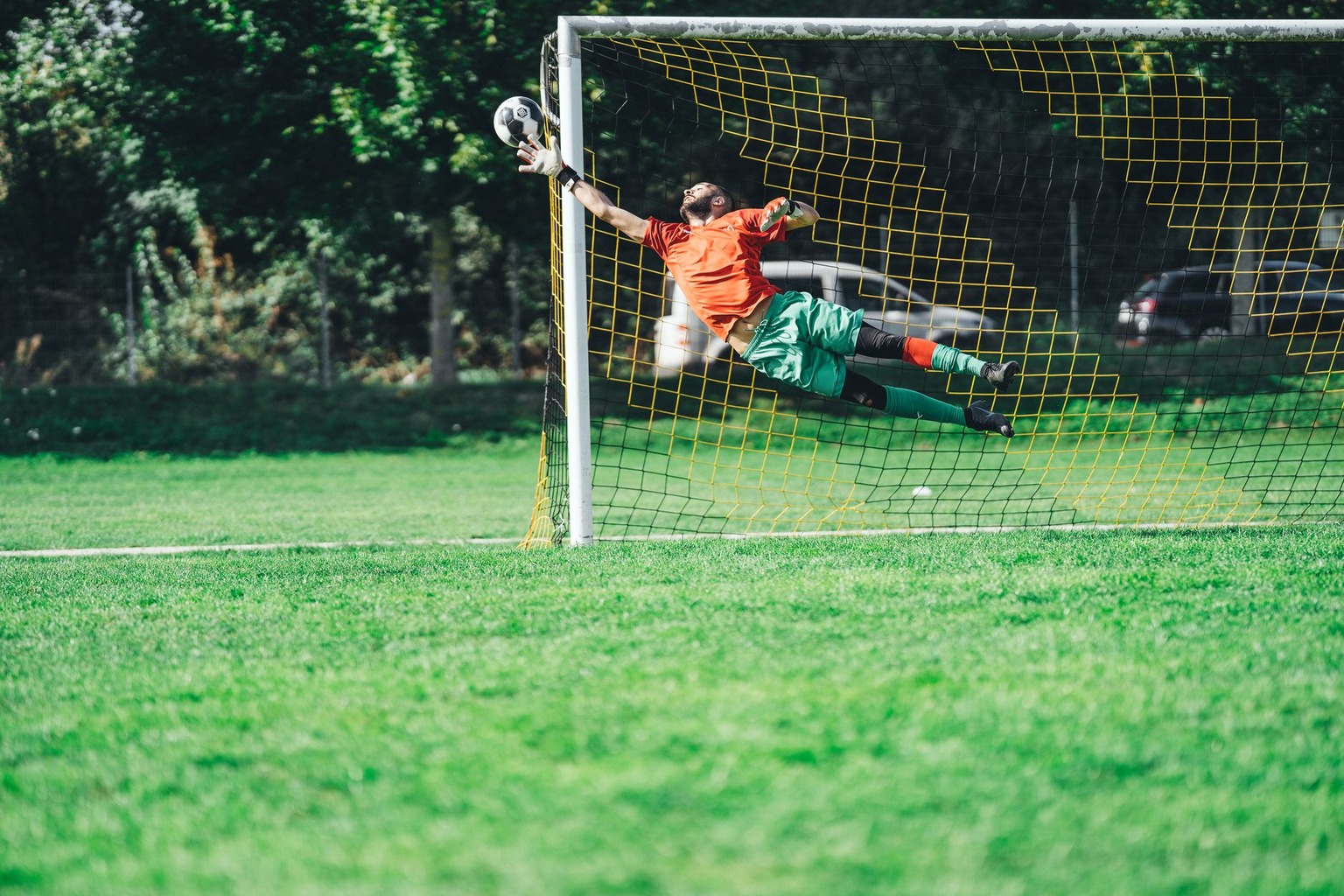
Game management also involves knowing when to deviate from the plan. If the team is chasing a game, the risk profile changes, and the keeper might be encouraged to be more adventurous. Conversely, protecting a lead might require a more conservative approach, prioritizing safety over ambition. Communication with the defensive line is essential here, as the keeper must constantly update teammates on the game state and the desired level of risk.
Analyzing Modern Role Models
Studying the techniques of elite distributors provides a blueprint for aspiring keepers. Players like Ederson and Alisson have redefined the position, demonstrating that a goalkeeper can be a playmaker in their own right. Observing their positioning, their choice of pass, and their comfort level with the ball at their feet offers valuable lessons. Emulating their style, however, should be adapted to the individual keeper’s strengths rather than a blind copy-paste of technique.
Furthermore, analyzing how these keepers adapt to different tactical setups is insightful. In a low block, they might focus on picking out runners in behind, whereas against a high press, they might prioritize quick, short exchanges. The modern game demands versatility, and the most successful distributors are those who can adjust their game plan based on the opponent’s shape and the specific match context. This adaptability is the hallmark of a truly complete goalkeeper.

I have been a dedicated student of the game for as long as I can remember, always looking to uncover the stories behind the stats. My weekends revolve around analyzing tactical shifts and emerging talent across various leagues. I write to share that passion and provide a fresh perspective on the sport I love.