Understanding In-Game Tactical Changes
In-game tactical changes refer to the adjustments made by players or teams during the course of a match to adapt to evolving circumstances. These real-time adjustments are a vital component of game strategy, allowing participants to respond effectively to their opponents’ actions, shifts in momentum, or unforeseen challenges that arise throughout gameplay.
Implementing effective in-game tactics requires a deep understanding of the game’s mechanics, the current state of play, and the strengths and weaknesses of both one’s own team and the opposition. Tactical changes might involve altering positioning, modifying attack or defense patterns, switching player roles, or rethinking resource allocation—all with the goal of gaining a competitive advantage. By making these strategic decisions on the fly, players demonstrate adaptability, which often distinguishes successful competitors from less skilled ones.
The importance of tactical changes cannot be overstated in competitive environments. Games are dynamic by nature, with situations fluctuating rapidly, making a rigid, pre-set game strategy insufficient. Without the ability to adjust tactics as the game unfolds, players risk falling behind when opponents exploit newly available opportunities or counter initial plans. Real-time adjustments thus serve as a critical tool for maintaining control, seizing momentum, and ultimately securing victory.
Moreover, in-game tactical changes foster player adaptability—a key attribute in high-level gameplay. Adaptable players recognize patterns, anticipate adversaries’ moves, and pivot their strategies accordingly. This flexibility also encourages creativity and quick thinking, turning challenges into advantages. Coaches and analysts often emphasize the value of this skill, as it elevates a player’s or team’s capacity to perform consistently across different scenarios and opponents.
In summary, understanding and mastering in-game tactical changes is essential for anyone serious about competitive gaming. By integrating well-timed tactical changes into their game strategy, players not only improve their chances to win but also enhance their overall performance and resilience in the face of uncertainty.
Key Types of In-Game Tactical Changes
In the dynamic environment of competitive gameplay, understanding the types of tactical changes is essential for adapting successfully during a match. In-game tactical changes can broadly be categorized into offensive tactics, defensive tactics, and strategic repositioning. Each type plays a critical role in influencing the flow and outcome of the game by adjusting players’ approaches according to evolving circumstances.
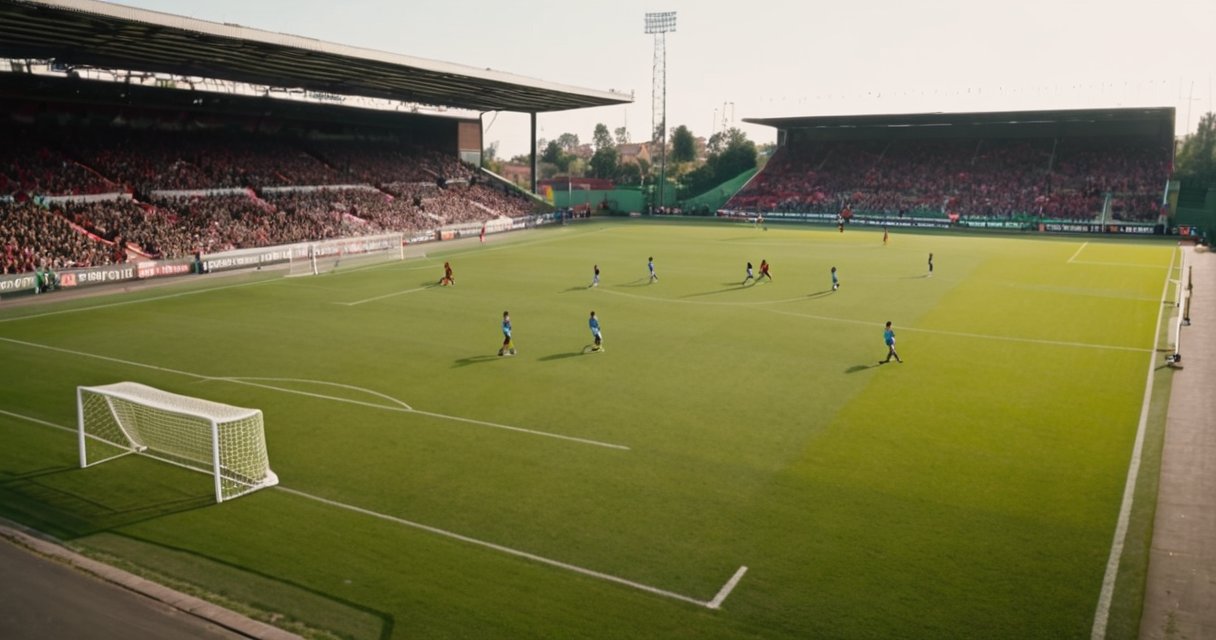
Offensive tactics focus on increasing pressure on the opponent by enhancing attacking maneuvers. These changes might involve shifting from a cautious approach to a more aggressive playstyle, such as pushing forward to control key areas or launching coordinated attacks to exploit weaknesses. Adapting offensive tactics effectively requires real-time assessment of the opponent’s defense and seizing opportunities that open up during gameplay.
On the other hand, defensive tactics emphasize fortifying positions and minimizing vulnerabilities. Teams or players may switch to a more conservative approach, reinforcing defense lines and improving coverage to counteract the opponent’s offensive pushes. This type of tactical change is crucial when facing overwhelming pressure or when protecting a lead, ensuring that mistakes are minimized and space for counterattacks is created.
Strategic repositioning represents a more nuanced type of tactical change involving the reallocation and movement of players across the game field or map to optimize control and flexibility. This can mean shifting players to support specific objectives, covering emerging threats, or transitioning between offensive and defensive states seamlessly. Strategic repositioning is often combined with both offensive and defensive tactics, acting as the framework for real-time adaptation.
Mastering these types of tactical changes enhances a team’s responsiveness and resilience. It allows gameplay tactics to evolve fluidly, responding to the momentum shifts and unpredictability inherent in competitive play. Whether through aggressive offensive maneuvers, solid defensive stands, or intelligent strategic repositioning, effectively leveraging these tactical changes can be the key to success in any gaming scenario.
Offensive Tactical Adjustments
In the fast-paced world of competitive sports, implementing effective offensive tactics is crucial for gaining an advantage over opponents. Players often make in-game tactical changes to reshape their attack strategies, aiming to increase pressure and create scoring opportunities. One common adjustment is employing pressure plays where the offense intensifies their presence in the opponent’s half, forcing turnovers and capitalizing on mistakes.
Quick attacks also play a pivotal role in dynamic offense changes. By accelerating ball movement and exploiting gaps in the defense, teams can disrupt the opposition’s rhythm. These swift offensive tactics rely on precise timing and teamwork, enabling players to surprise defenders and break through with greater efficiency. Incorporating such rapid offensive maneuvers allows teams to maintain momentum and keep opponents on edge.
Adjusting formations and shifting player roles during the game can further enhance offensive fluidity. For instance, transitioning from a traditional setup to a more aggressive one creates numerical advantages in attack, often overwhelming defenders. These tactical shifts in game offense showcase a team’s adaptability and strategic insight, increasing their chances of success by exploiting weaknesses in the opposing defense.
Overall, mastering offensive tactical adjustments like pressure plays, quick attacks, and formation shifts equips players with versatile attack strategies. These dynamic offense techniques are essential tools for teams looking to dominate the game and achieve a decisive edge on the field.
Defensive Tactical Adjustments
In competitive gameplay, implementing effective defensive tactics is essential for maintaining control and securing victory. Players often adjust their game defense to protect existing leads, ensuring that opponents find it difficult to penetrate their stronghold. These defensive adjustments focus on tightening formations, enhancing communication, and anticipating adversaries’ moves to thwart their offensive pressure.
One key aspect of protective gameplay is the development of counter strategies that adapt to the opponent’s style. By analyzing offensive patterns, players can realign their defense to exploit weaknesses and disrupt attacking momentum. These counter strategies not only serve as a shield but also create opportunities to regain possession and initiate swift counterattacks.
Players must remain flexible, seamlessly shifting between aggressive and conservative defensive postures based on the evolving state of the game. This dynamic approach to game defense enables teams to withstand sustained pressure and minimize risks associated with overcommitting players forward. Ultimately, mastering defensive tactical adjustments helps teams maintain strategic balance, protect leads effectively, and respond decisively to opponent threats during critical moments.
Implementing Successful Tactical Changes
Recognizing when and how to implement tactics during a game is essential for any team aiming to gain an edge over their opponents. Successful in-game changes require a combination of sharp game decision-making and the ability for players to quickly adapt to new strategies under pressure. Teams that excel in these areas can turn the tide of a match and capitalize on emerging opportunities.
The first step in implementing successful tactical changes is awareness. Coaches and players need to constantly analyze the flow of the game, identifying weaknesses in their own setup or exploiting vulnerabilities in the opposition. This requires clear communication channels and an understanding of how different tactical adjustments influence overall team dynamics.
Once a tactical shift is deemed necessary, the decision-making process must be streamlined. Game decision-making in real time often involves balancing risk and reward while considering factors such as the current scoreline, player fatigue, and momentum shifts. Teams should have pre-planned contingencies that allow quick adoption of alternative formations or playing styles without causing confusion.
Player adaptation is equally critical in executing mid-game tactical changes effectively. Each player must be mentally prepared to alter their roles or positioning as needed, showing flexibility and responsiveness. Training sessions that simulate various scenarios promote better understanding and quicker adjustment when these changes are called for during actual matches.
In addition to preparation, implementing successful tactical changes includes constant feedback loops during the game. Captains and on-field leaders play a crucial role in relaying observations and reinforcing new instructions, ensuring alignment across all players. This collaborative effort helps maintain cohesion despite shifts in strategy.
Ultimately, the ability to implement tactics effectively underlines a team’s adaptability and resilience. By fostering an environment that encourages quick assessment and flexible responses, teams enhance their chances of securing favorable outcomes. Successful in-game changes become a powerful tool in managing the unpredictable nature of competitive play and achieving long-term success.
Tools and Technologies to Support Tactical Changes
In the modern competitive landscape, the ability to make swift tactical changes during gameplay is essential. Game analysis tools and tactical software have become invaluable assets for players and coaches alike, providing a significant edge by delivering crucial insights in real-time. These technologies enable an in-depth understanding of performance metrics, team dynamics, and opponent behavior, allowing for informed decision-making when rapid adjustments are necessary.
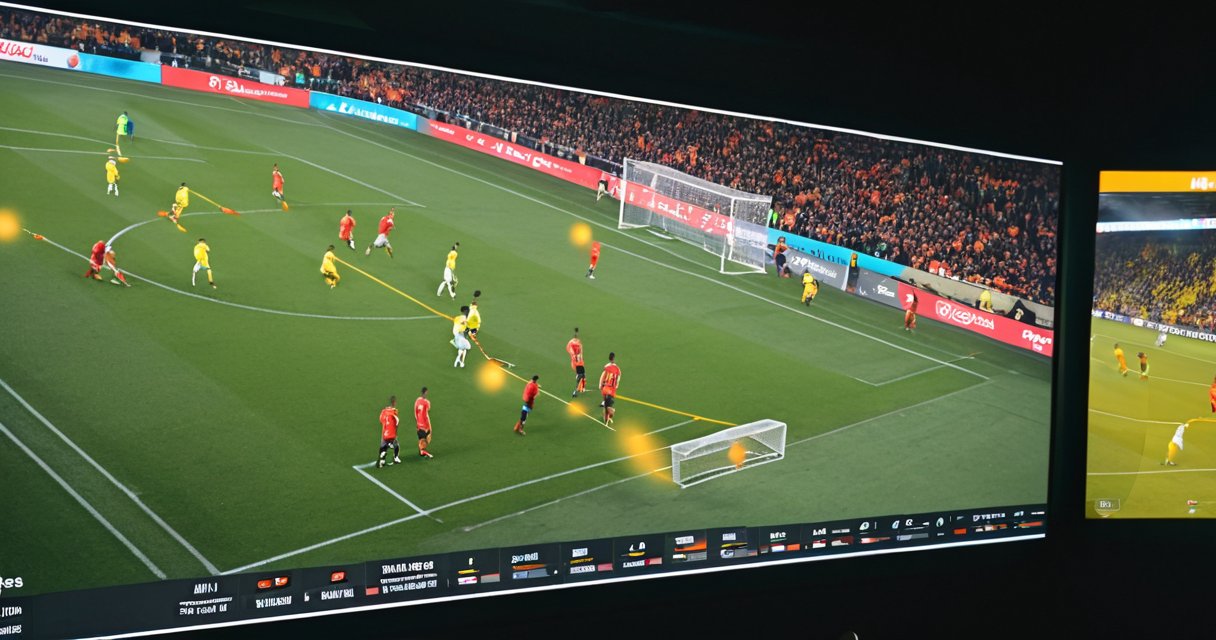
One of the foremost advantages of using strategic technology lies in its capacity to process real-time data seamlessly. By harnessing live feedback from ongoing matches, coaches can identify emerging patterns and vulnerabilities almost instantaneously. This data-driven approach ensures that tactical changes are not just reactive but also strategically planned to capitalize on evolving scenarios within the game environment.
Game analysis tools typically encompass video analytics, heat maps, and performance dashboards that visually represent player movements, ball possession, and other critical in-game variables. When integrated with tactical software, these tools empower teams to simulate various strategy options, test potential outcomes, and determine the best course of action before implementing changes on the field or virtual battleground.
Moreover, tactical software often includes features such as predictive modeling and AI-driven recommendations, which can highlight optimal player positioning and formation adjustments based on the opponent’s tactics. This level of technological sophistication transforms traditional coaching approaches by promoting a highly responsive and tactical mindset among players and staff.
Real-time data streams also facilitate effective communication between coaching staff and players during matches. With mobile apps and wearable devices connected to tactical software platforms, feedback and instructions can be relayed instantly, ensuring that tactical changes are executed quickly and accurately. This synergy of technology and human expertise significantly improves the prospects of success when adapting strategies mid-game.
In conclusion, the integration of game analysis tools, tactical software, and strategic technology forms the backbone of modern tactical adaptability. These innovations not only enhance the precision and speed of tactical decisions but also foster a more analytical and forward-thinking approach to competitive gameplay. As these tools continue to evolve, their role in supporting tactical changes will become increasingly indispensable for any team aiming to maintain a competitive advantage.

I have been a dedicated student of the game for as long as I can remember, always looking to uncover the stories behind the stats. My weekends revolve around analyzing tactical shifts and emerging talent across various leagues. I write to share that passion and provide a fresh perspective on the sport I love.