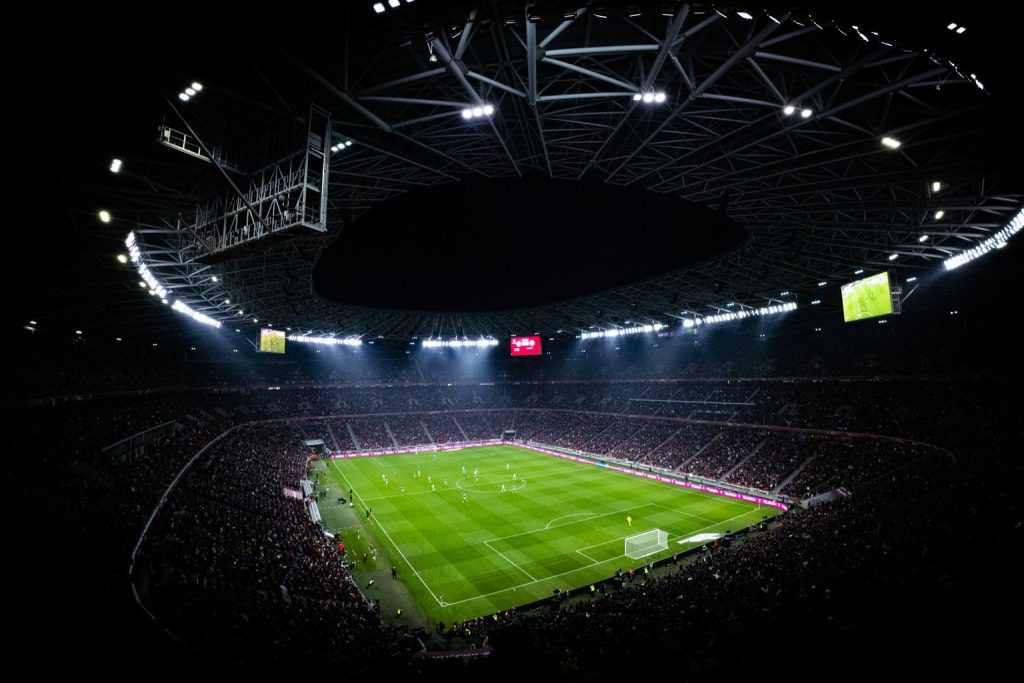
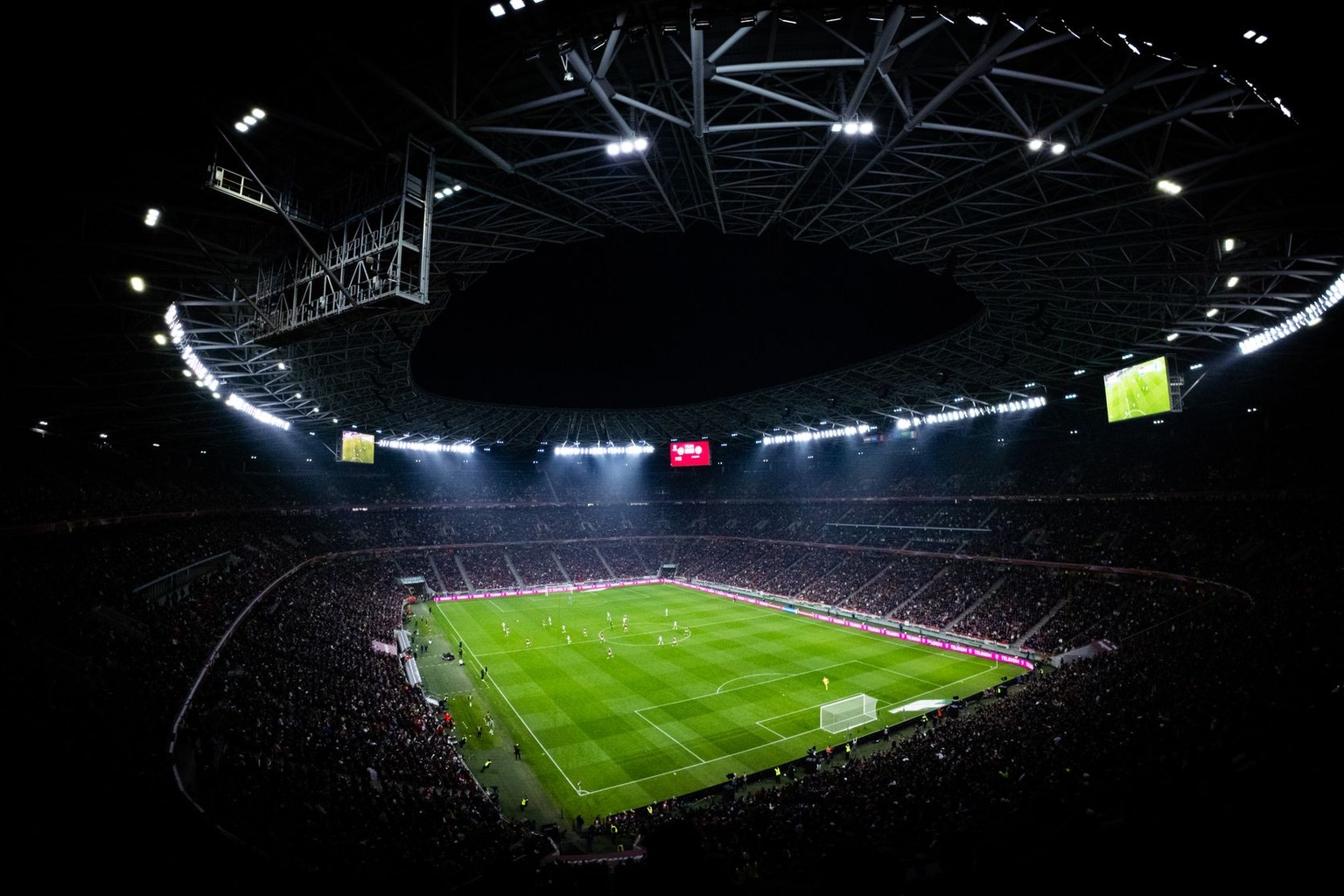
The sweeper keeper role has reshaped modern soccer, blending the traditional goalkeeper’s defensive duties with the proactive playmaking of a sweeper. This position emerged as a direct response to the increasing tempo and physicality of contemporary football, where backlines are stretched higher and counterattacks demand quick transitions. The sweeper keeper doesn’t just react to danger, they dictate defensive shape, cover space, and even initiate attacks from deep, making them one of the most dynamic figures on the pitch. Their influence extends beyond goalkeeping into the heart of a team’s defensive organization, requiring a unique blend of athleticism, tactical awareness, and leadership that sets them apart from conventional keepers.
Key Traits That Define a Sweeper Keeper
A sweeper keeper thrives on a mix of physical and mental attributes that go beyond traditional goalkeeping skills. First, they must possess elite reflexes and shot-stopping ability, but these are just the foundation. Their real edge comes from the ability to read the game at a glance, anticipating through balls and long passes before they’re even launched. Manuel Neuer, the architect of the modern sweeper keeper role, famously trained his eyes to track the ball’s trajectory while his body remained in a ready stance, allowing him to intercept or clear with split-second precision. Height and agility are critical, players like Neuer (6’4”) and David Raya (6’2”) use their reach to dominate aerial duels, while their lateral quickness lets them cover ground faster than most defenders. Mental resilience is equally vital; sweeper keepers operate under immense pressure, often making split-second decisions that could alter the course of a game. Without the ability to stay composed under fire, even the most physically gifted keeper will falter.
The sweeper keeper’s role also demands a high football IQ, particularly in positioning. They must understand when to drop deep to shield the defense, when to sweep across to cover a wide area, and when to step out to intercept a through ball. This requires constant communication with defenders, as their movements create space that others must exploit or close. Without this tactical synergy, the sweeper keeper becomes isolated, turning their advantages into liabilities. The best examples, like Neuer at Bayern Munich or Ederson at Manchester City, make it look effortless, but it’s the result of thousands of hours perfecting these nuances. Physical tools matter, but without the tactical intelligence to deploy them, the role becomes unplayable.
When to Use a Sweeper Keeper: Tactical Fit
The sweeper keeper role isn’t a one-size-fits-all solution; it thrives in specific tactical systems where its strengths align with the team’s weaknesses. The most common setup is the 4-2-3-1 or 4-3-3 formation, where the sweeper keeper operates behind a double pivot or a trio of central midfielders. This allows them to drop deep without leaving the defense exposed, as the midfielders can step up to cover the space. Clubs like Bayern Munich and Manchester City have perfected this, using the sweeper keeper to shield the defense while their midfielders dictate possession. However, the role struggles in systems where the backline is stretched too wide, such as a 3-5-2 or 5-3-2, because the keeper’s defensive coverage becomes too narrow. In these formations, a more traditional sweeper or a sweeper-like center-back often works better, as they can track back without leaving gaps.
Another critical factor is the team’s defensive philosophy. Sweeper keepers excel in teams that prioritize high pressing and quick transitions, as they can quickly turn defense into attack by launching counterattacks. But they falter in slow, possession-based systems where the opposition can dictate the tempo. For example, a team like Liverpool under Jurgen Klopp, which relies on relentless pressing, benefits enormously from a sweeper keeper like Alisson, who can distribute the ball with confidence and start attacks from the back. In contrast, a team like Atletico Madrid, which prefers to counter rather than press, might find the sweeper keeper role less effective unless they have a midfielder who can step into the defensive line. The tactical fit isn’t just about the formation, it’s about how the sweeper keeper’s role complements the team’s overall defensive and attacking approach.
The Sweeper Keeper vs. the Sweeper: Key Differences
While the sweeper keeper and the sweeper (a defensive midfielder) share some similarities in their defensive responsibilities, their roles are fundamentally different in terms of positioning and influence. A sweeper keeper operates behind the defensive line, acting as the last line of defense while also contributing to build-up play. Their primary job is to shield the center-backs and intercept through balls, but they also distribute the ball to start attacks. In contrast, a sweeper (like Sergio Busquets or N’Golo Kante) operates in front of the defensive line, breaking up play and providing cover for the midfield. The sweeper doesn’t distribute the ball as frequently and is more focused on defensive organization. This distinction is crucial because it determines how the team structures its defensive shape. A sweeper keeper requires a backline that can push higher, while a sweeper demands a defense that stays compact and organized.
On the Tifo Football by The Athletic channel, they cover the evolution of this tactical position, and you can watch it right here.
The physical demands also differ significantly. A sweeper keeper covers more ground horizontally, often making long strides to intercept crosses or through balls, while a sweeper covers more vertical ground, dropping deep to shield the defense. This means sweeper keepers need explosive lateral quickness, while sweepers rely on endurance and tactical positioning. For example, Neuer’s ability to sweep across the goal line to intercept crosses is a hallmark of the sweeper keeper, whereas Busquets’ ability to drop deep to block passes is a sweeper’s strength. The choice between the two depends on the team’s defensive needs, if the backline is prone to being overrun, a sweeper keeper might be the better option. But if the midfield needs more defensive cover, a sweeper could be more effective. The decision isn’t just about individual skill, it’s about how the role fits into the team’s overall defensive structure.
Modern Sweeper Keepers: How They’ve Evolved
The sweeper keeper role has evolved dramatically since Manuel Neuer popularized it at Bayern Munich in the late 2000s. Early examples, like Neuer himself, were more about defensive solidity, using their height and reflexes to dominate the box and sweep across the goal line. But modern sweeper keepers, like Ederson and Alisson, have expanded their responsibilities to include playmaking and even goal-scoring. Ederson, for instance, has become one of the most accurate long-range passers in the Premier League, often launching counterattacks with pinpoint accuracy. This evolution reflects the changing demands of modern football, where goalkeepers are expected to contribute to both defense and attack. The role has shifted from being purely about shot-stopping to being about controlling the game from the back.
Another key evolution is the sweeper keeper’s role in transition play. Modern sweeper keepers like David Raya at Arsenal are trained to recognize when to step out and intercept through balls, but also when to distribute the ball to start attacks. Raya’s ability to play long balls to attackers like Bukayo Saka has made him a key playmaker for Arsenal, turning the sweeper keeper role into a hybrid position that blends defensive and attacking responsibilities. This shift has been driven by the rise of high-pressing systems, where goalkeepers must be comfortable with the ball at their feet. The modern sweeper keeper isn’t just a last line of defense, they’re a facilitator of the team’s attacking play. This evolution has made the role even more valuable in modern football, where every player must contribute to both ends of the pitch.
How to Choose the Right Sweeper Keeper for Your Team
Selecting the right sweeper keeper depends on several factors, including the team’s tactical system, defensive needs, and attacking style. First, consider the team’s defensive shape. If the backline is prone to being overrun by wide attacks, a sweeper keeper with exceptional crossing ability (like Neuer) might be ideal. However, if the team struggles with through balls in the middle of the park, a keeper with strong long-ball distribution (like Ederson) could be more effective. The choice should align with the team’s defensive vulnerabilities. Second, evaluate the sweeper keeper’s playmaking ability. If the team relies on quick transitions, a keeper who can launch counterattacks with accuracy is essential. But if the team prefers a more possession-based approach, a sweeper keeper who can comfortably play out from the back is needed. The role isn’t just about defense, it’s about how the keeper contributes to the team’s overall play.
Finally, assess the sweeper keeper’s leadership qualities. The role demands a high level of communication and influence over the defense, as the keeper’s positioning dictates the backline’s shape. A sweeper keeper who can organize the defense while also contributing to attacks is invaluable. For example, Alisson’s ability to read the game and direct his defenders has been a key reason for Liverpool’s defensive resilience under Klopp. The right sweeper keeper should be more than just a shot-stopper, they should be a leader who can elevate the entire defense. This requires a combination of technical skill, tactical intelligence, and emotional maturity. The best sweeper keepers don’t just perform their role, they inspire the rest of the team to perform better as well.

I have been a dedicated student of the game for as long as I can remember, always looking to uncover the stories behind the stats. My weekends revolve around analyzing tactical shifts and emerging talent across various leagues. I write to share that passion and provide a fresh perspective on the sport I love.